
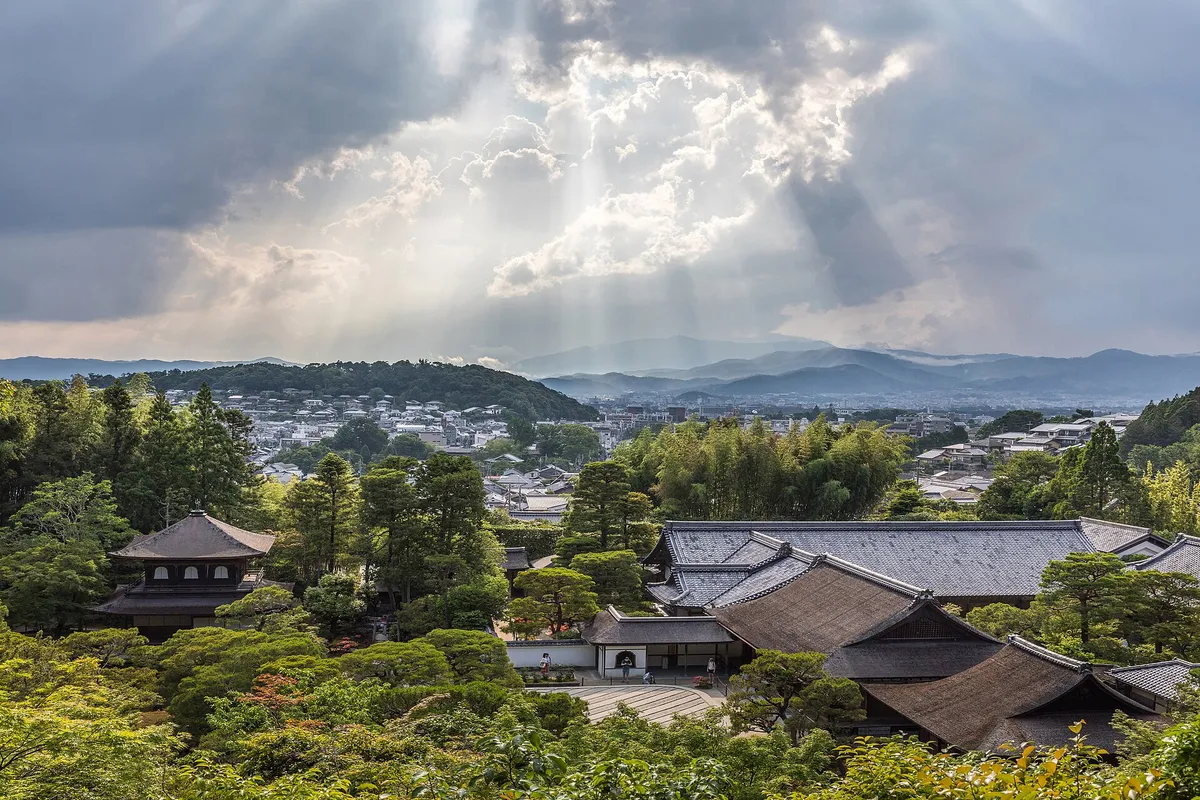
Photo: Basile Morin / Wikimedia Commons
Kyoto 4-Day Itinerary: Temples, Ryokan & Geiko Districts
Fushimi Inari at dawn, Arashiyama bamboo at golden hour, a night in Gion — this 4-day Kyoto itinerary covers the city's essential experiences without rushing.
Overview
Kyoto was Japan’s imperial capital for over 1,000 years and remains its cultural heart — home to more UNESCO World Heritage Sites than almost anywhere in the world, and the city where traditional Japan (temple architecture, geisha culture, traditional crafts, ryokan hospitality) survives most completely. Four days allows you to experience the city’s major districts without rushing, including at least one night in a traditional ryokan.
Best for: Culture enthusiasts, architecture lovers, those on a first Japan trip, photographers Budget: €120–300/day (accommodation, meals, transport, entry fees) Best season: Late March–April (cherry blossoms), October–November (autumn foliage)
Day 1: Eastern Kyoto — Higashiyama District
Morning: Fushimi Inari Taisha (arrive by 7 AM) Start before the tour groups arrive. The famous vermillion torii gates begin at the base of Mount Inari and extend 4 km up the mountain. Walking all the way to the summit takes 2–3 hours round trip; walking the first 30 minutes to the upper gates and back takes 45 minutes but gives you the photographs. The early morning mist through the gates is extraordinary.
Mid-morning: Walk or taxi 20 minutes north to the Higashiyama District. Walk the cobblestone Sannenzaka and Ninenzaka streets (preserved Meiji-era merchant streetscapes, now filled with matcha and tofu restaurants) to Kiyomizudera. The wooden stage extending over the cliff at Kiyomizudera is one of Japan’s most visited viewpoints; arrive before 9 AM if possible.
Afternoon: Walk north along the Higashiyama ridge through Maruyama Park (cherry trees and stone lanterns) to Chion-in (enormous gate — the largest wooden gate in Japan) and Shoren-in (camphor trees 800 years old, completely free to visit).
Evening: Dinner in Gion. If time allows, walk along Hanamikoji Street after 7 PM for the chance of spotting a geiko (the Kyoto term for geisha) or maiko (apprentice) returning from an evening appointment.
Stay: Traditional machiya guesthouse in the Higashiyama area or Gion; alternatively, a central hotel in the Kawaramachi-Gion corridor.
Day 2: Arashiyama and Western Kyoto
Morning: Take the Sagano Scenic Railway from Kyoto Station (book tickets in advance for autumn foliage season) or bus 28 to Arashiyama.
Arrive at the Bamboo Grove by 7:30 AM — the most photographed spot in Kyoto is genuinely beautiful but impossible to experience without crowds after 9 AM. The early morning light through the bamboo stalks rewards the early start significantly.
After the bamboo, cross the Togetsukyo Bridge and walk to Tenryu-ji (UNESCO World Heritage garden, one of the finest dry landscape gardens in Japan, ¥500 entry) and Jojakko-ji (moss-covered hillside temple, less visited, atmospheric).
Afternoon: Sagano area at leisure — the Okochi Sanso villa garden (a film actor’s villa, expensive but extraordinary gardens) and Nonomiya Shrine (a few minutes from the bamboo grove, small but significant).
Evening: Arashiyama riverside for dinner — the restaurants along the Katsura River have outdoor seating platforms over the water (yuka dining) in summer.
Day 3: Northern Kyoto and a Ryokan Night
Morning: Take Bus 59 to Kinkaku-ji (the Golden Pavilion). Arrive when it opens at 9 AM — it’s the most crowded site in Kyoto by 10:30 AM. The gold reflection in the mirror pond is as spectacular as photographs suggest.
Continue to Ryoan-ji (10 minutes by bus) — the most famous dry rock garden (karesansui) in Japan, 15 rocks arranged in raked white gravel within a walled garden. The garden’s meaning remains deliberately ambiguous — worth 20–30 minutes of genuine contemplation.
Afternoon: Nishiki Market in central Kyoto — “Kyoto’s Kitchen,” a narrow covered market selling Japanese pickles, tofu, fresh seafood, and street snacks. Good for lunch and food gifts.
Evening: Tonight is your ryokan night — check in by 4 PM to experience the full ritual: yukata (informal kimono), communal or private onsen bath, multi-course kaiseki dinner served in your room by an attendant in traditional dress. This is the most expensive single night of most Kyoto trips (€200–400/person) but among Japan’s most distinctive hospitality experiences.
Ryokan recommendations: Tawaraya (the most celebrated traditional inn in Japan, €400–800/room), Hiiragiya (more accessible, €200–400/room), or any of the Gion-area machiya renovations at €150–250/room.
Day 4: Imperial Kyoto and Departure
Morning: Nijo Castle (UNESCO, the Tokugawa shogunate’s Kyoto palace, famous “nightingale floors” that squeak as a security system) and the adjacent Nijo-jo grounds.
Walk or bus to the Kyoto Imperial Palace Park — the large park surrounding the former imperial palace is excellent for morning walking, picnics, and free cycling (city bikes available). Entry to the palace itself requires advance booking through the Imperial Household Agency.
Midday: Pontochō — the narrow pedestrian lane along the Kamo River, one of Kyoto’s most atmospheric streets. Lunch at one of the yuka (riverside platform) restaurants.
Afternoon: Final temple if time allows — Tofuku-ji (spectacular autumn momiji garden) or Daitoku-ji (complex of sub-temples, several with extraordinary dry gardens and usually uncrowded).
Departure: Kyoto to Tokyo by Shinkansen (2h 15min, from Kyoto Station); Kyoto to Osaka by train (30 min, Hankyu or JR).
Practical Tips
Getting around: The city bus (flat rate ¥230/journey, day pass ¥700) is the most practical option for most routes. The Kintetsu line and the Karasuma subway cover north-south routes. Walking is practical within districts.
JR Pass: The Japan Rail Pass covers the Shinkansen (useful for Tokyo-Kyoto-Osaka) but not the Kyoto City buses. Buy it before arriving in Japan.
Crowds: Kyoto is extremely crowded April (cherry blossom), November (autumn foliage), and Golden Week (April 29 – May 5). Early morning arrivals (before 8 AM) at all major temples dramatically improve the experience.
Dress code: Shoulders and knees should be covered for temple entry; some sites provide wraps. Comfortable walking shoes are essential — Higashiyama’s stone paths are uneven.