
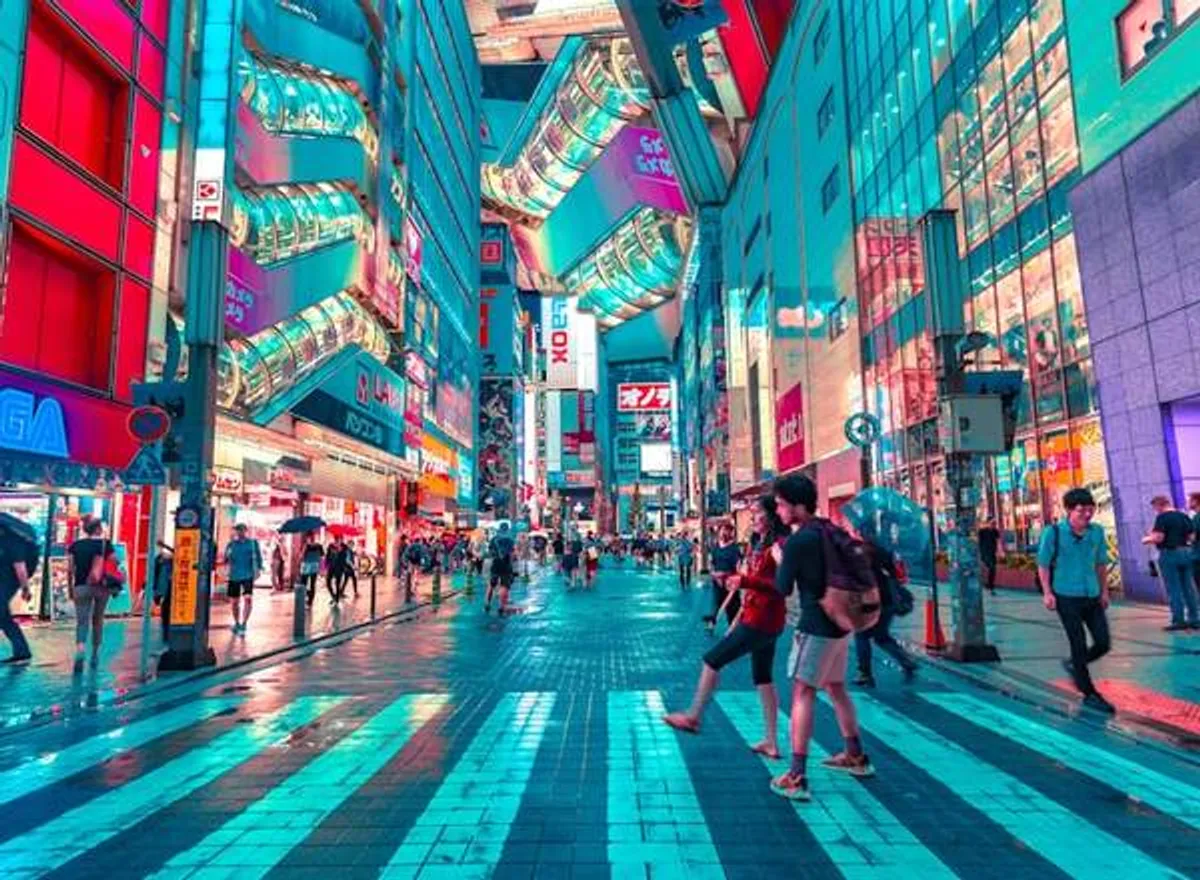
Photo: Unknown (prototype asset) / project prototype
Best Hotels in Japan: Tokyo, Kyoto & Beyond (2026)
Tokyo's Aman's rooftop garden, Kyoto's traditional ryokan on the Kamo River, and remote mountain onsen in the Japanese Alps — Japan's best hotels for every style in 2026.
The Best Hotels in Japan
Japan’s hotel landscape is unique in the world — it encompasses the ryokan tradition (multi-century-old inns with kaiseki cuisine, yukata, and futon on tatami floors), ultra-luxury contemporary design hotels, business hotels of startling efficiency and value, and capsule hotels that compress sleeping into perfectly engineered 2m³ pods. The country consistently produces some of the world’s best hotel hospitality regardless of price level.
Tokyo: The Capital’s Best
Aman Tokyo — Urban Sanctuary
Price: €800–3,000/night | Location: Otemachi Tower, Tokyo
Aman Tokyo occupies the top six floors of the Otemachi Tower — one of the city’s most dramatic sky hotels, with ceiling heights impossible to find anywhere else in Tokyo and a spa that extends over two floors of calm within one of the world’s noisiest cities. The views from the rooms — particularly the Japanese-inspired suites looking across the Imperial Palace gardens — are extraordinary. Aman Tokyo has established itself as the city’s finest hotel since opening in 2014.
Best for: Luxury travelers who appreciate design as much as service, those combining urban and mountain Japan (Aman also operates Amanemu in Ise-Shima and Amanohashidate).
The Peninsula Tokyo — Classic Luxury
Price: €500–1,500/night | Location: Yurakucho, central Tokyo
The Peninsula Tokyo is the city’s most established luxury hotel — a 2007 property adjacent to the Imperial Palace grounds, with the best concierge team in Japan and a Peter Room (the Peter bar and restaurant) that has become a social hub for Tokyo’s international community. The large rooms and reliable five-star service represent luxury that more idiosyncratic hotels sometimes sacrifice.
Trunk Hotel — Design-Conscious Shibuya
Price: €200–400/night | Location: Shibuya, Tokyo
Trunk Hotel is Tokyo’s most compelling design hotel for those who find the Aman-level unaffordable — a Shibuya property with an extraordinary rooftop terrace garden, social-focused design, and rates that allow genuine exploration of the neighborhood. The hotel’s social campaign (“Socializing Hospitality”) makes it genuinely different from standard luxury.
Kyoto: The Ancient Capital’s Best
Tawaraya — Japan’s Most Celebrated Ryokan
Price: €700–2,000/night (per person, two meals) | Location: Fuyacho, central Kyoto
Tawaraya has been operating since the early 18th century and is considered by many to be the finest ryokan in Japan — a small inn of 18 rooms where every detail follows centuries of refined tradition. The kaiseki dinners (multi-course Japanese cuisine of extraordinary refinement), the morning tofu breakfast served in a garden pavilion, and the private garden visible from many rooms combine to create an experience without parallel in Japanese hospitality.
Booking Tawaraya requires genuine advance planning — rooms are typically booked 3–6 months ahead.
Best for: Those for whom the ryokan experience is the primary reason for visiting Kyoto; a once-in-a-lifetime accommodation event.
Hiiragiya — Accessible Ryokan Excellence
Price: €300–600/night (per person, two meals) | Location: Oike, central Kyoto
Hiiragiya has operated since 1818 and represents the most accessible entry into the high end of Kyoto ryokan culture — the craftsmanship is extraordinary (the original wooden architecture), the service is exceptional, and the rooms range from the historic wing’s tatami masters to more contemporary rooms at slightly lower rates.
The Celestine Kyoto Gion — Design Hotel Alternative
Price: €150–280/night | Location: Gion district
For those who want Kyoto’s Gion location without the full ryokan commitment (some travelers find the communal baths and formal breakfast timing challenging), The Celestine offers contemporary comfort alongside traditional Japanese design references at accessible rates.
Osaka: Best Value in Kansai
Cross Hotel Osaka — Best Value City Base
Price: €80–150/night | Location: Shinsaibashi
Osaka is universally acknowledged as Japan’s best value destination — the accommodation market is significantly cheaper than Tokyo or Kyoto for comparable quality. The Cross Hotel is one of the best mid-range options: good design, excellent location in the Shinsaibashi shopping and restaurant district, and rates that allow substantial spending on the local food scene (Osaka’s primary reason to visit).
Mountain and Onsen Experiences
Hoshi Ryokan — The World’s Oldest Hotel
Price: €200–500/night | Location: Awazu Onsen, Ishikawa Prefecture
Hoshi Ryokan has operated since 718 CE — documented in the Guinness World Records as the world’s oldest hotel, still run by the same family (the 46th generation of the Hoshi family). The setting in the mountains of the Kaga region, the natural hot spring baths, and the extraordinary historical continuity make it a genuinely irreplaceable experience.
Beniya Mukayu — Contemporary Ryokan Luxury
Price: €400–900/night | Location: Kaga Onsen, Ishikawa Prefecture
Beniya Mukayu is Japan’s most acclaimed contemporary ryokan — a property that translates the ryokan tradition through a modern lens, with extraordinary architecture, a celebrated spa program, and one of Japan’s highest-rated kaiseki restaurants. Won multiple international hotel awards.
Booking Tips for Japan
Cherry blossom and autumn foliage: These are Japan’s two premium travel seasons, and top ryokan in Kyoto and Tokyo fill 3–6 months ahead for peak viewing dates. Book as early as possible.
Japan Rail Pass: Purchase before entering Japan. The JR Pass covers unlimited Shinkansen travel and significantly reduces transport costs for multi-city trips.
Ryokan booking etiquette: Most ryokan include two meals (dinner and breakfast) in the rate — this is mandatory, not optional, in many traditional properties. Rates are typically quoted per person. Dietary requirements should be communicated when booking (kaiseki can almost always accommodate most restrictions with advance notice).