
Europe Travel Guide 2026: Best Countries, Cities & Hotels for Every Budget
The complete Europe travel guide 2026 — best countries to visit, top cities, when to go, visa requirements, budget vs luxury hotels, rail passes, and expert tips for first-time and returning European travelers.
Europe is home to 44 countries, over 700 UNESCO World Heritage Sites, and a rail network stretching more than 300,000 km. Whether you’re chasing Baroque architecture in Vienna, volcanic beaches in Santorini, or fjord hikes in Norway, Europe delivers depth that no other continent quite matches. This guide covers everything you need to plan a trip in 2026 — from visa rules to daily budgets to the rail passes that actually save you money.
Why Visit Europe in 2026
Several developments make 2026 a particularly good year to visit Europe.
The ETIAS system is now fully operational. The European Travel Information and Authorisation System launched for most non-EU passport holders in 2025. If you hold a US, Canadian, Australian, or UK passport, you now need a pre-approved ETIAS before entering Schengen countries — the fee is €7, the approval is usually instant, and it’s valid for 3 years. This is not a visa; it’s closer to the US ESTA. Get yours at etias.com before booking flights.
The euro remains favorable for USD travelers. As of mid-2026, 1 USD buys approximately €0.93, which is meaningfully stronger than the 2019–2022 period. Travelers from dollar-denominated economies will find European accommodation and food roughly 8–12% cheaper in real terms than three years ago.
Interrail and Eurail passes have expanded. Both now cover night trains on 12 additional routes, including the popular Amsterdam–Vienna Nightjet and the revived Paris–Venice Thello route, making car-free travel across the continent more practical than ever.
Overtourism countermeasures are in place. Venice now charges €5 day-entry fees on peak days (April–July weekends), Dubrovnik caps cruise ship passengers at 4,000 per day, and Amsterdam has banned new hotel construction in the center. These rules protect the experience for travelers who plan ahead — and this guide will tell you exactly how to do that.
Best Countries for First-Time Visitors
France
France is the world’s most visited country (90 million tourists in 2025) for good reason: it does almost everything exceptionally well. Paris alone justifies a transatlantic flight, but the country beyond the capital is where most visitors find their most memorable moments.
Paris — Spend at least 4 nights. The Louvre holds 380,000 works; budget a full day and pre-book tickets (€22 adult). The Musée d’Orsay concentrates Impressionism better than anywhere on earth (€16, closed Mondays). Skip the Eiffel Tower summit queue and book the second floor (€26.10 summit, €18.80 second floor; online booking mandatory). For neighborhoods, Marais (3rd/4th arrondissements) and Montmartre (18th) offer the most texture per block. Budget hotel doubles in Paris start at €90/night in the 10th–11th arrondissements; 4-star central hotels run €220–380.
Lyon — France’s gastronomic capital. A 2-hour TGV from Paris (from €29 booked early). Bouchon restaurants — the traditional Lyon taverns — serve coq au vin and quenelles for €18–28 per person.
Provence and the Riviera — Nice to Marseille is 2.5 hours by TER regional train (€22). The Calanques National Park near Marseille rivals anything in the Mediterranean. Avignon’s medieval Palais des Papes (€15) is underrated.
Italy
Italy is Europe’s single most rewarding country for first-timers. Three weeks barely scratches the surface. The mistake most visitors make is spending too much time in Rome and rushing everything else.
Rome — The Colosseum (€18 + €2 booking fee, skip the line entirely with timed entry), the Vatican Museums (€20 online, closed Sundays except last Sunday of month), Borghese Gallery (€15, booking mandatory, only 360 visitors per session). Trastevere and Pigneto neighborhoods offer better value restaurants than the tourist center — expect to pay €12–18 for a full pasta-secondi meal.
Florence — The Uffizi (€20 + €4 booking fee) houses Botticelli’s Birth of Venus and La Primavera. The Accademia’s Michelangelo David (€16 + €4 booking fee) requires a separate visit. Florence is small — walkable in under 30 minutes end to end. Base here for day trips to Siena (1.5 hours by bus, €7) and San Gimignano.
Cinque Terre — Five villages on a 12km coastal trail. Crowded June–August; visit in May or September. The Cinque Terre Card (€18/day, €28.50/2 days) covers trail access and regional trains between villages. Vernazza and Corniglia are the least crowded villages.
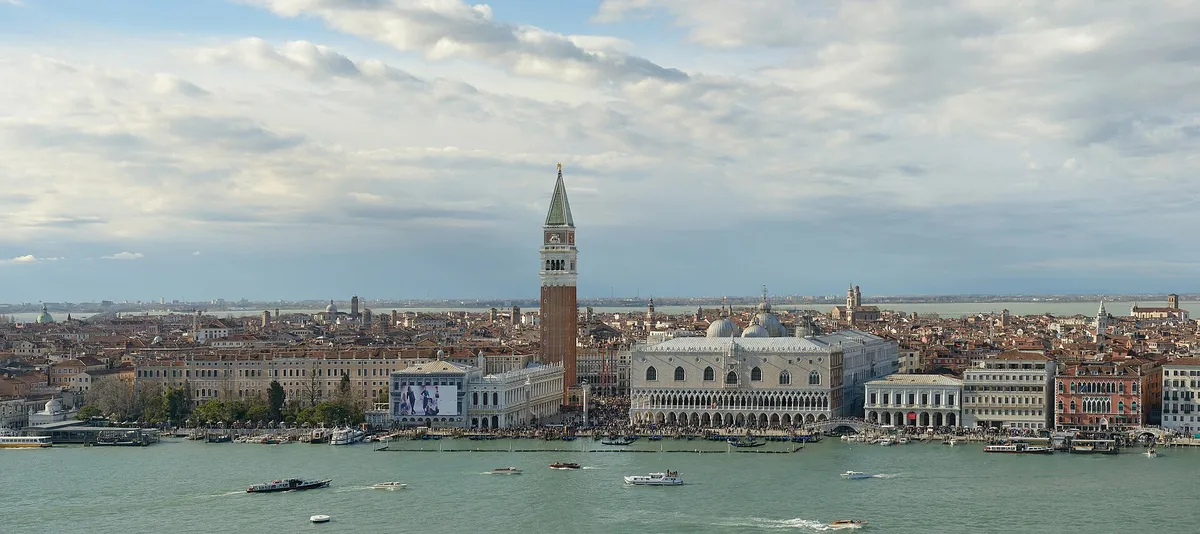
Venice — Enter via Venezia Santa Lucia train station; do not be confused into stopping at Venezia Mestre (the mainland). Vaporetto (water bus) passes: 24 hours €25, 48 hours €35, 72 hours €45. The €5 day entry fee applies on select April–July weekends; check the official calendar before visiting.
Spain
Spain offers perhaps the best value of any Western European country — excellent food, world-class museums, and warm Mediterranean weather at prices 20–30% below France or Italy.
Barcelona — The Sagrada Familia is still under construction (expected completion 2033) and remains extraordinary (€36 with towers; book 2+ weeks ahead in summer). Park Güell’s monumental zone requires tickets (€10; free areas are free). The Gothic Quarter is walkable and free. Barceloneta beach is 15 minutes from the center on foot.
Madrid — The Prado (€15, free Monday–Saturday 6–8 PM and Sunday 5–7 PM) is one of the world’s great art museums. The Reina Sofía houses Picasso’s Guernica (€12, free Monday and Saturday afternoons). Mercado de San Miguel near Plaza Mayor is overpriced but atmospheric; for real food, try La Boqueria alternatives or Mercado de Vallehermoso in Chamberí.
Seville — The Alcázar palace (€14.50; book online, queues are brutal) and the Gothic cathedral (€11) are the anchors. This is Andalusia at its most concentrated — flamenco, tapas culture, orange tree-lined streets. Temperatures hit 42°C in July; May and October are ideal.
Greece
Greece combines extraordinary ancient history with island life that is hard to find elsewhere. The mainland is underexplored.
Athens — The Acropolis (€20; free on specific national holidays) is best visited at 8 AM when it opens or in the last hour before 8 PM closing (summer hours). The National Archaeological Museum (€15) is the finest collection of ancient Greek art in the world and is almost never crowded. Base in Koukaki or Monastiraki neighborhoods.
Santorini — Fira to Oia is a 10km caldera hike (3–4 hours). Oia sunset is genuinely spectacular — arrive 90 minutes early for a spot. Ferry from Athens/Piraeus: 5–8 hours on high-speed catamaran (€40–70 depending on season). Avoid mid-July to mid-August unless you’ve pre-booked everything.
Crete — Greece’s largest island deserves more time than most visitors give it. The Palace of Knossos (€15) takes 2 hours minimum. Samaria Gorge (€5 park fee) is a 16km one-way hike from Xyloskalo to Agia Roumeli — one of Europe’s great walks.
Portugal
Portugal remains the best-value Western European destination for English-speaking travelers. Almost everyone speaks English, the food is excellent, and Lisbon and Porto are relatively compact.
Lisbon — Tram 28 is iconic but packed; Tram 12 covers similar ground with far fewer tourists. Belém’s Jerónimos Monastery (€10) and the Monument to the Discoveries (€10) are a 30-minute tram ride from Baixa. Pastéis de Belém (the original custard tart shop) serves tarts for €1.40. The Alfama neighborhood is best explored on foot in the morning before tour groups arrive.
Porto — 3 hours from Lisbon by Alfa Pendular train (from €25). The São Bento station’s azulejo tilework is free to visit and stunning. Douro Valley wine country is a 1-hour drive or a scenic 3-hour train ride (€12) from Porto.
Algarve — Southern Portugal’s coast. Lagos is the best base: Ponta da Piedade rock formations (free, 30-minute walk from center), Praia Dona Ana (10-minute walk from town), and some of the best grilled fish in Europe for €12–18 per person.
Best Countries for Returning Visitors
If you’ve already done the Western European highlights, these five destinations offer outstanding value and authenticity.
Albania
Albania is Europe’s last genuine frontier destination. The Albanian Riviera — a 150km stretch of Ionian coast from Sarandë to Vlorë — rivals Croatia and Greece for scenery at a quarter of the price. Accommodation in Ksamil (beach village near the Greek border) runs €25–60 for a double in summer. Gjirokastër, a UNESCO-listed Ottoman town, charges just €3 to enter the castle. Berat (“the city of a thousand windows”) is similarly underpriced and undervisited.
North Macedonia
Ohrid is the highlight — a lake town with Byzantine churches, Roman theaters, and a car-free old town. Entry to North Macedonia is visa-free for most Western passports. Ohrid Lake has some of the clearest water in the Balkans. Budget accommodation runs €25–45/night; restaurant meals €6–12.
Slovenia
Tiny Slovenia (population 2.1 million) punches far above its weight. Lake Bled with its island church is legitimately one of Europe’s most beautiful views — though the rowing boat to the island (€18/person for a rowboat, or swim across in 15 minutes) is now in every travel blog. Go anyway: it earns the hype. Triglav National Park offers serious hiking; the Soča River Valley is electric blue and perfect for kayaking (half-day tours from €45). Ljubljana is a walkable, cafe-dense capital with no admission fees worth mentioning.
Montenegro
The Bay of Kotor is a 28km fjord-like bay surrounded by the Dinaric Alps — the most dramatic scenery in the Adriatic. Kotor Old Town (€8 entry + €8 for the wall hike) is smaller and less crowded than Dubrovnik. Budva has beaches. Durmitor National Park in the north has Black Lake and the Tara River Canyon, 1,300m deep — the second deepest river canyon in the world after the Grand Canyon.
Malta
Malta is a 316 km² island with 7,000 years of history. The capital Valletta (population 6,000, Europe’s smallest national capital) has the National Museum of Archaeology (€10) housing the prehistoric Venus of Malta figurines. The Hypogeum at Hal Saflieni (€35, strictly limited to 80 visitors per day — book weeks ahead) is the only prehistoric underground temple in the world. Mdina, the medieval walled city, is best visited at dawn before day-trippers arrive.
Europe by Season
The right time to visit Europe depends heavily on which part you’re going to.
| Month | Western Europe | Mediterranean | Northern Europe | Notes |
|---|---|---|---|---|
| January | Cold, uncrowded, cheap | Mild, quiet | Polar nights in Lapland | Best for city museums |
| February | Cold, carnival season (Venice) | Mild, quiet | Northern lights peak | Venice Carnival (2–4 weeks pre-Lent) |
| March | Early spring, fewer crowds | Warming up | Still cold | Almond blossom in Algarve/Alicante |
| April | Wildflowers, Easter crowds | Warm, shoulder | Cool, long days | Holy Week in Seville and Rome |
| May | Perfect temperatures, crowds building | Ideal — 22–26°C | Pleasant | Best overall month for most of Europe |
| June | Warm, school trips | Hot (28–32°C) | Midnight sun begins | Crowds building fast |
| July | Peak season, peak prices | Very hot (35°C+) | Midnight sun, 22°C | Highest prices; book 3+ months ahead |
| August | Peak season, crowds worst | Dangerously hot inland | Warmest month | Avoid Southern Spain/Greece midday |
| September | Warm, crowds drop | Still warm (26–30°C) | Cooling | Best month overall for Mediterranean |
| October | Autumn foliage, wine harvest | Pleasant, 20–24°C | Getting cold | Vendemmia (wine harvest) in Tuscany |
| November | Rainy, Christmas markets open late | Cool, quiet | Dark | Christmas markets open ~late November |
| December | Christmas markets, snow | Mild, tourist sites empty | Cold, short days | Christmas markets in Germany and Austria are outstanding |
Getting Around Europe
Eurail and Interrail Passes
A Eurail Global Pass (for non-European residents) covers 33 countries. Current 2026 prices:
- 4 days within 1 month: from €185 (youth, 2nd class) / €257 (adult)
- 7 days within 1 month: from €264 (youth) / €367 (adult)
- 15 days consecutive: from €372 (youth) / €516 (adult)
- 1 month consecutive: from €584 (youth) / €811 (adult)
Interrail (for European residents) costs roughly 10–15% less on equivalent passes.
When a pass saves money: If you’re taking 4+ long-distance train journeys within a month, a pass usually pays for itself. Examples: Paris–Barcelona (€60–120 without pass), Amsterdam–Berlin (€40–90), Vienna–Prague (€25–60). Each of those journeys uses one “travel day” on a flexi pass.
When a pass doesn’t save money: For point-to-point travel in a single country, or for short stays in 2–3 countries, buying individual tickets in advance is almost always cheaper. A Paris–Lyon TGV booked 60 days ahead costs €19–29. No pass beats that.
Reservation fees are mandatory on high-speed trains (TGV, AVE, Eurostar, Frecciarossa) regardless of pass status — typically €3–13 per journey.
Budget Airlines
Ryanair flies from 86 European bases. Fares from €9.99 are real but require traveling light (1 small personal bag only) and booking 4–8 weeks ahead. Adding a 10kg cabin bag costs €10–25 extra. Key routes: Dublin–Lisbon (from €15), London Stansted–Rome Ciampino (from €19), Warsaw–Barcelona (from €14).
easyJet is more generous with bag allowances and slightly more expensive. Strong network from London Gatwick, Amsterdam, Paris CDG, and Geneva.
Wizz Air dominates Eastern and Central European routes — Warsaw, Budapest, Bucharest, Sofia, Belgrade. Cheapest for Balkans-focused itineraries.
What the budget airlines don’t tell you: Ryanair’s “free” airports (Bergamo for Milan, Beauvais for Paris, Hahn for Frankfurt) can add 1–2 hours of transfer time each way. Factor in €15–25 bus transfers when comparing against train fares.
FlixBus
FlixBus connects 5,000+ cities across Europe. Fares start at €4.99 and rarely exceed €40 for cross-country routes. Travel times are long (Paris–Barcelona is 14–15 hours vs. 6.5 hours by train), but for overnight routes between cities with good night buses — Berlin–Prague (4.5 hours, from €5), Vienna–Budapest (3 hours, from €6) — it’s genuinely excellent value. Buses have Wi-Fi and USB charging.
Driving in Europe
An International Driving Permit (IDP) is recommended for non-EU license holders visiting Eastern Europe. Renting a car in Western Europe and crossing into Eastern Europe requires explicit permission from the rental company — Hertz and Avis allow it; some budget companies do not. Green card insurance documentation is required for countries outside EU (e.g., Bosnia, Serbia, Albania).
Toll roads are ubiquitous in France, Italy, Spain, and Portugal. Budget €30–60 per day for tolls on major routes. Croatia uses a vignette system (€35 for 7 days). Switzerland requires a vignette (CHF 44/year, sold at border crossings).
Schengen Visa Guide
The Schengen Area covers 29 European countries as of 2026 (EU member states plus Norway, Iceland, Liechtenstein, and Switzerland). Once inside the Schengen Area, there are no border controls between member countries.
The 90/180 Day Rule
Non-EU visitors may stay in the Schengen Area for a maximum of 90 days within any rolling 180-day period. This is the single most misunderstood rule in European travel.
How it works: Count back 180 days from today. Count how many Schengen days you’ve already used in that window. You can use up to 90 days total.
Example: You enter Greece on July 1, 2026. You last left Schengen on March 15, 2026 (after a 10-day trip). Looking back 180 days from July 1 (January 2), you used 10 days. You therefore have 80 Schengen days remaining from July 1.
Overstaying the 90-day limit results in a ban from the Schengen Area (typically 1–5 years), a fine, and potential deportation. Authorities check passport stamps and ETIAS records.
Countries outside Schengen: UK, Ireland, Croatia (now Schengen as of 2024 — double check before travel), Bulgaria (Schengen air/sea since 2024), Albania, North Macedonia, Kosovo, Serbia, Bosnia, Montenegro, Moldova, Georgia, Ukraine.
ETIAS 2026
ETIAS (European Travel Information and Authorisation System) is now required for:
- US, Canadian, Australian, New Zealand citizens
- UK citizens (post-Brexit)
- Japanese, South Korean, and most other visa-exempt passport holders
How to apply: Online at etias.com — takes 10 minutes. Fee: €7. Approval is typically within minutes, occasionally up to 72 hours. Valid for 3 years or until passport expiry, whichever is earlier. One ETIAS covers all Schengen countries. Apply before booking flights (though rejection is extremely rare for qualifying nationalities).
Required Documents for Schengen Visa (visa-required nationalities)
For those who do require a Schengen visa (check your country’s status on the EU immigration portal):
- Valid passport (6+ months validity beyond travel dates)
- Completed application form
- 2 recent passport photos
- Proof of travel insurance (minimum €30,000 coverage)
- Proof of accommodation for each night
- Round-trip flight itinerary
- Proof of sufficient funds (€100/day in many embassies’ guidelines)
- Bank statements (3 months)
- Employment letter or student enrollment letter
Apply at the consulate of the country where you’ll spend most time. Processing takes 15–30 days; apply at least 6 weeks before travel. The fee is €90 for adults, €45 for children 6–11, free for children under 6.
Budget Breakdown
Backpacker: €50–70 per day
Accommodation (€15–25): Hostel dorms in Eastern Europe run €12–18/night (Prague, Krakow, Budapest); Western European hostels charge €22–35 (Lisbon, Barcelona, Amsterdam).
Food (€15–20): Breakfast at a bakery (€3–5), lunch at a market (€6–9), dinner at a budget restaurant (€10–14). Cook occasionally in hostel kitchens. Avoid tourist menus on main squares.
Transport (€10–15): City public transport day passes (€5–10), occasional bus or budget airline segments.
Activities (€5–15): Many major sights have free afternoons/evenings (Prado, British Museum, Rijksmuseum). Prioritize free walking tours (tip-based, €5–10) over paid ones.
Tips for backpackers: Travel in shoulder season (May, September, October). Overnight trains and buses eliminate one night’s accommodation cost. Eurail flexi passes work well if you’re moving frequently.
Mid-Range: €150–200 per day
Accommodation (€80–120): 3-star hotels or boutique guesthouses. Expect clean, well-located rooms with breakfast included in many Southern and Eastern European countries. Prices vary dramatically: €80 in Ljubljana or Porto vs. €150+ in Paris, Amsterdam, or Zurich.
Food (€40–55): Breakfast included at hotel, €15–20 lunch at a local restaurant, €30–40 dinner at a mid-range restaurant with wine.
Transport (€15–25): Taxis and rideshares occasionally, comfortable train seats.
Activities (€20–30): Paid museum entries, one or two tours or cooking classes.
Tips: Book accommodation 4–6 weeks ahead for the best rates. Staying slightly outside city centers (10–15 minutes by metro) cuts accommodation costs 20–40% with minimal inconvenience.
Luxury: €400+ per day
Accommodation (€200–500+): 4–5 star hotels in central locations. The Ritz Paris (€1,200+/night), Rome’s Hotel de la Ville (€600–900/night), or Barcelona’s Hotel Arts (€450–700/night) set the ceiling. Excellent 4-star options exist from €200–350 in most cities.
Food (€100–200): One Michelin-starred meal can run €120–250 per person with wine pairing. Two-star and three-star restaurants in Paris, San Sebastián, and Copenhagen represent the global pinnacle of dining.
Transport (€50–100): Business class rail, private transfers, airport taxis.
Tips: The best luxury experiences in Europe are often not the most famous hotels. A €350/night private villa in the Amalfi Coast with panoramic views outperforms a €500/night chain hotel. Research aggressively.
Top 10 European Cities Ranked
1. Paris, France
Paris earns its place at the top through sheer density of world-class museums, architecture, food, and fashion. The Louvre, Musée d’Orsay, and Pompidou Centre would individually anchor any other city’s cultural life — Paris has all three within 3km of each other. The 20 arrondissements each have distinct characters, meaning a week in Paris still yields new neighborhoods to explore. Best month to visit: May (16°C average, long evenings, fewer crowds than summer). Minimum visit: 4 nights.
2. Barcelona, Spain
Barcelona is the most architecturally distinctive city in Europe. Gaudí’s fingerprints are everywhere — the Sagrada Família, Casa Batlló, Casa Milà, Park Güell — but the wider Eixample grid of modernista buildings is itself a marvel. The beaches are 15 minutes from the gothic center. The food culture (tapas, Catalan cuisine, the best bocadillo market in Spain at La Boqueria) is excellent. Minimum visit: 3 nights. Avoid August unless you love 35°C heat and crowds.
3. Rome, Italy
Rome is Europe’s greatest open-air museum. The Pantheon (now €5, was free until 2023) has stood intact for 1,900 years. The Roman Forum and Palatine Hill (combined with Colosseum ticket) take 3–4 hours to absorb properly. Trastevere is one of the most beautiful neighborhoods in Europe — eat dinner there, walk back through the city at midnight when the monuments are lit and half-empty. Minimum visit: 4 nights.
4. Amsterdam, Netherlands
Amsterdam’s canal ring (a UNESCO World Heritage Site) is best experienced by bike — rentals run €10–15/day. The Rijksmuseum (€25, book ahead) houses Rembrandt’s Night Watch and Vermeer’s Milkmaid. The Anne Frank House (€16, book 2+ months ahead in summer — this is not an exaggeration) is one of the most emotionally significant sites in Europe. The city is extremely walkable and compact. Minimum visit: 3 nights.
5. Prague, Czech Republic
Prague survived World War II largely intact, leaving a medieval and baroque city center that is genuinely stunning. The Old Town Square astronomical clock (free to view) draws crowds every hour. The Prague Castle complex (€15 comprehensive ticket) covers St. Vitus Cathedral and 3 palaces. Czechia uses the Czech koruna (CZK), not the euro — 1 EUR ≈ 25 CZK — making it significantly cheaper than most Western European capitals. A good restaurant dinner costs CZK 300–500 (€12–20). Minimum visit: 3 nights.
6. Lisbon, Portugal
Lisbon is built on seven hills and connected by a network of vintage trams, funiculars, and steep cobblestone streets. The Alfama neighborhood’s fado music (traditional Portuguese melancholy folk) is best heard in small, authentic tasca restaurants (fado with dinner, €25–40/person). LX Factory, a repurposed industrial complex in Alcântara, hosts the best Sunday market in the country. The 25 de Abril bridge looks disconcertingly like the Golden Gate — it was built by the same company (Bethlehem Steel). Minimum visit: 3 nights.
7. Vienna, Austria
Vienna operates as a European cultural capital with the quiet efficiency of a very well-organized museum. The Kunsthistorisches Museum (€18) and Naturhistorisches Museum (€16) face each other across Maria-Theresien-Platz and together hold one of the world’s greatest collections. The Belvedere Palace complex (upper Belvedere €16, lower free) houses Klimt’s The Kiss. Coffee house culture is UNESCO-listed intangible heritage — a Melange (Viennese cappuccino) and Apfelstrudel at Café Central (€8–10) is one of Europe’s great affordable pleasures. Minimum visit: 3 nights.
8. Athens, Greece
Athens is the oldest inhabited city in Europe (continuously occupied for over 3,000 years) and it shows. The National Archaeological Museum alone justifies flying to Greece. The Acropolis area concentrates the Parthenon, Propylaea, Erechtheion, and Temple of Athena Nike on a single limestone hill visible from most of the city. The Monastiraki flea market on Sundays is chaotic and magnificent. Eat at Psyrri or Koukaki neighborhoods, not at the Plaka tourist trap zone. Minimum visit: 3 nights, more if using as a base for island day trips.
9. Budapest, Hungary
Budapest is two cities (Buda and Pest, divided by the Danube) unified in 1873 and is one of the most architecturally opulent capital cities in Europe. The Hungarian Parliament Building (€10 with guided tour; one of the world’s most beautiful buildings) and the Széchenyi thermal baths (€25, open 6 AM–10 PM) are the anchors. Hungary uses the forint (HUF) — approximately 390 HUF per EUR — making it substantially cheaper than Western Europe. A excellent full restaurant dinner with wine costs €18–28. Minimum visit: 3 nights.
10. Dubrovnik, Croatia
Dubrovnik’s old town is a UNESCO-listed walled city on a limestone promontory jutting into the Adriatic. The city walls walk (€35; do it early morning or late afternoon to avoid heat and crowds) takes 1.5–2 hours and provides extraordinary views. The Lokrum island ferry (€11 return, 10-minute crossing) offers swimming in a national park. Dubrovnik is expensive by Croatian standards — mid-range accommodation in the old town runs €150–300/night — but the setting is incomparable. Go in May or October; July–August is genuinely overcrowded. Minimum visit: 2 nights.
FAQ
How long should I budget for a first Europe trip?
Three weeks (21 days) is the sweet spot for a first-time Europe trip. It allows you to cover 3–4 countries without rushing while still spending enough time in each destination to go beyond the highlights. For the classic Western European itinerary (London–Paris–Switzerland–Italy), 21 days lets you do 5 nights in each major city. Two weeks is the minimum for anything meaningful; one week is only viable if you’re focused on a single country.
If you have less time, pick one country and go deep. A week in Italy (Rome 3 nights + Florence 2 nights + Cinque Terre 2 nights) is far better than a rushed 7-country sprint.
When is the cheapest time to fly to Europe?
Flights from North America to Europe are cheapest in: November (except Thanksgiving week), January–February (excluding school holidays), and early March. Transatlantic fares from New York to London in January can drop to $400–600 round trip; the same flights in July cost $900–1,600.
From Asia and Australia, the cheapest windows are similar: avoid European summer (June–August) and the Christmas–New Year period. Singapore/Tokyo to Paris in November: SGD 900–1,200 / ¥95,000–130,000 round trip.
Book transatlantic flights 3–6 months ahead for the best combination of availability and price. European internal flights are cheapest 6–8 weeks ahead.
Do I need travel insurance for Europe?
Yes — and not just for peace of mind. If you’re entering Schengen on a visa, proof of travel insurance (minimum €30,000 medical coverage) is a mandatory visa requirement. For visa-exempt travelers, the practical argument is compelling: a 3-day hospital stay in Germany or France costs €3,000–8,000 without insurance. Medical evacuation flights cost €20,000–80,000. A comprehensive travel insurance policy for a 3-week Europe trip costs $80–150 (US traveler) and typically covers medical emergencies, trip cancellation, lost baggage, and flight delays.
EU/EEA citizens carry their European Health Insurance Card (EHIC) or its successor GHIC (UK) for state healthcare access — but this covers treatment costs only, not repatriation or trip cancellation.
What’s the best way to carry money in Europe?
The euro is accepted in 20 of the 27 EU member states plus Iceland, Montenegro, and Kosovo. Non-euro countries include: UK (pound), Switzerland (franc), Czechia (koruna), Hungary (forint), Poland (złoty), Sweden (krona), Denmark (krone), Norway (krone), Croatia (uses euro since 2023), Romania (leu), Bulgaria (lev).
Best approach: A no-foreign-transaction-fee credit card (Chase Sapphire, Capital One Venture, Barclaycard Rewards in the UK) for most purchases + a Wise or Revolut card for local currency ATM withdrawals. Withdraw cash in local currency (not euro) in non-euro countries. Avoid airport exchange bureaus — rates are typically 8–12% worse than interbank rate. Never accept Dynamic Currency Conversion (DCC) when a terminal offers to charge you in your home currency; always choose local currency.
Is Europe safe for solo travelers?
Europe is among the safest travel destinations in the world by any metric. Western and Northern Europe in particular have among the lowest violent crime rates globally. Petty theft — pickpocketing and bag snatching — is the main risk and is concentrated in predictable locations: major tourist sites (Eiffel Tower, Trevi Fountain, Sagrada Família), crowded public transport (Rome Metro, Barcelona Metro Lines 2 and 3), and busy markets.
Practical precautions: Use a money belt or anti-theft crossbody bag in crowded areas. Keep phone in a front pocket or secure bag, not a back pocket. Be wary of “friendship bracelet” scammers at Paris landmarks and “card game” scammers in Prague. Register your trip with your home country’s foreign affairs department (US: STEP program; UK: FCDO travel registration; Australia: Smartraveller).
Solo female travelers consistently report Europe as welcoming and navigable. Portugal, Ireland, Finland, Denmark, and the Netherlands regularly rank as the safest destinations for solo female travelers specifically.
This guide is updated for 2026. Prices, pass costs, and entry requirements change frequently — always verify current figures directly with official sources before booking.