
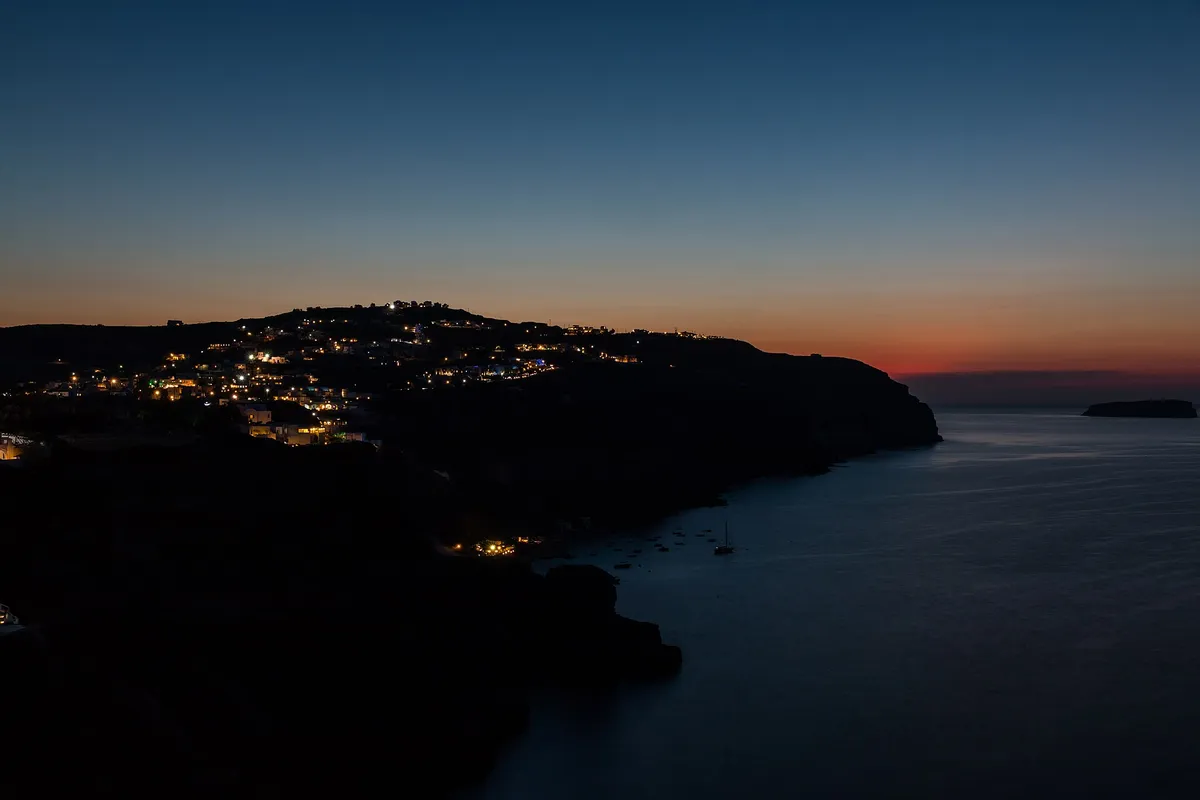
Photo: Dietmar Rabich / Wikimedia Commons
Best Beach Destinations in Europe: Islands, Coastlines & Hidden Coves (2026)
Sardinia's La Pelosa beach, Croatia's Hvar Island, and the Algarve's Ponta de Piedade sea caves — Europe's best beach destinations ranked and compared for 2026.
Europe’s Best Beaches: A Practical Ranking
Europe’s beach landscape ranges from the turquoise water of Sardinia and the Cyclades to the wild Atlantic beaches of the Algarve (dramatic sea-carved rock formations, powerful surf), to the volcanic black sand beaches of the Azores and Iceland. This guide covers the continent’s top beach destinations by category.
Best for Turquoise Water
Sardinia, Italy — The Mediterranean’s Finest
Sardinia has the clearest, most vividly colored water in the Mediterranean — white granite rock formations (the Costa Smeralda, “Emerald Coast”), fine white sand, and shallow, clear water combine to create turquoise-to-aquamarine gradients that are genuinely superior to comparable destinations in Greece and Croatia for pure water quality.
Top beaches:
- La Pelosa (Stintino, northwest): The most photographed beach in Sardinia — a shallow bay watched over by a 16th-century Aragonese tower, with water ranging from pale turquoise to deep blue. Requires access by shuttle bus from June–September (private car access restricted to protect the sand); arrive early or the beach fills.
- Cala Brandinchi (northeast): Called “Little Tahiti” for its water color; the white sand and forest backdrop make a striking combination
- Cala Goloritze (east coast, Baunei): Accessible only by boat or a 1.5-hour walk from the mountain — towering limestone cliff walls, a natural rock arch, and sea caves make it worth the effort
Best time: June–July and September (July–August: very crowded, highest prices; September: warm sea, dramatically fewer people).
Greece — Cyclades and Ionian Islands
Best Cyclades beaches:
- Sarakiniko (Milos): A volcanic white pumice landscape — a moonscape of white stone curves and sea pools, unlike any beach in the world
- Elafonisi (Crete): The pink-tinged sand beach in a shallow lagoon (the pink color from crushed shells), warm enough to walk across to the islet
- Agios Ioannis (Mykonos): The quietest Mykonos beach, with clear water, away from the beach club circuit
Best Ionian Islands:
- Myrtos Beach (Kefalonia): Consistently voted Greece’s most beautiful beach — a white pebble arc seen from the road above, with an approach view that ranks among Europe’s best beach vistas
- Navagio/Shipwreck Beach (Zakynthos): The stranded cargo ship on the white sand enclosed by the sheer white limestone cliffs — accessible only by boat, the most photographed beach in Greece
Best for Wild Atlantic Coastline
Algarve, Portugal — Rock Formations and Sea Caves
The Algarve’s beaches are unlike Mediterranean beaches — the ochre and terracotta limestone rock formations, eroded into arches, stacks, sea caves, and grottoes, frame the beaches in a dramatic geological narrative. The water is Atlantic (cooler than the Mediterranean, typically 20–22°C in summer); the surf is more powerful.
Top beaches:
- Praia da Marinha: Widely considered the most beautiful beach in the Algarve — a rock arch, sea caves accessible on foot at low tide, and a striking color contrast between the ochre cliffs and turquoise water
- Ponta da Piedade (Lagos): The Algarve’s most striking rock formation — eroded limestone pillars, arches, and grottoes, best seen by kayak (which lets you enter the caves) or boat tour
- Praia de Benagil: A sea cave with a natural skylight hole in its roof — accessible by kayak or by swimming from Benagil Beach (approximately 400m offshore)
Best time: June–September; July–August crowds are high at the main beaches (Marinha, Dona Ana) but the coastline is extensive enough that less-known beaches remain relatively quiet.
Galicia, Spain — Wild Atlantic Northwest
The Galician coast (northwestern Spain, the region where the Portuguese language originated) is among the most beautiful and most overlooked coastlines in Western Europe — dramatic granite rock landscapes (the Rías Baixas, inlets where the Atlantic penetrates deep inland), wild beaches with powerful surf, and standout seafood (percebes, goose barnacles harvested from the surf-washed rocks; pulpo á feira, octopus cooked Galician-style — both considered among the best seafood preparations in Spain).
Best beaches: Praia das Catedrais (Spain’s standout rock formation beach — sea-carved gothic arches accessible at low tide), Playa Rodas (a lagoon beach within the Cíes Islands, consistently voted Spain’s best beach).
Best for Architecture + Beach
Dubrovnik, Croatia — Medieval City and Adriatic
Dubrovnik’s beaches aren’t the best in Croatia (Hvar, Brac, and the Dalmatian islands have better sand and water), but the combination of the medieval walled city and the Adriatic creates the most culturally rich beach experience in Europe. Swimming from Banje Beach beneath the ancient city walls, with the limestone Old Town rising above, is a uniquely Adriatic experience.
Hvar Island: Croatia’s most glamorous island — lavender fields, 14th-century Venetian architecture (the Loggia, the Cathedral, the Fortress above the town), and unusually clear Adriatic water. The Pakleni Islands (a short boat taxi from Hvar town) have some of the clearest-water beaches in Dalmatia.
Cinque Terre, Italy — Pastel Villages and Rocky Coves
Cinque Terre (the five villages of the Italian Riviera — Monterosso, Vernazza, Corniglia, Manarola, Riomaggiore — strung along a 12 km coastline accessible only by train or boat) is Italy’s most visited coastal UNESCO site. The beaches are small and rocky (no fine sand beaches); the appeal is the dramatic combination of the colored houses clinging to the terraced hills and the Ligurian Sea. Monterosso (the only village with a sand beach) and Vernazza (the most photographed harbor in Cinque Terre) are the primary bases.
Best Beach Hotels by Destination
Sardinia
- Grand Hotel Porto Cervo (Costa Smeralda): The most glamorous hotel on the Emerald Coast, €400–2,000/night
- Capo d’Orso Hotel Thalasso & SPA (Palau, near La Pelosa): Mid-range with excellent sea access, €150–400/night
Greece (Santorini)
- Canaves Oia Suites (Santorini, Oia): Infinity pool into the caldera, €400–2,500/night
- Santo Maris Oia (Santorini): Sweeping caldera view, €300–1,500/night
Algarve
- Cascade Wellness Resort (Lagos): Clifftop position near Ponta da Piedade, €200–600/night
- Bela Vista Hotel (Portimão): Converted early-20th-century mansion, the most atmospheric hotel in the Algarve, €150–450/night
FAQ
What is the warmest sea in Europe in summer? The Mediterranean’s warmest waters in summer: the southern Cyclades (Santorini, Crete, Rhodes) reach 27–28°C in August, the warmest in Europe. The Adriatic (Croatia, Montenegro) reaches 25–27°C. The Atlantic (Algarve, Galicia) remains significantly cooler (19–22°C) but provides better surf and more dramatic coastal scenery.
Which European beach is best for families with children? La Pelosa (Sardinia) — the shallow depth, warm water, and white sand are ideal for children; the Aragonese tower provides cultural interest; and the restricted vehicle access since 2017 makes it more pleasant than peak-summer alternatives. The Algarve’s calm beach coves (Praia de Meia Praia, near Lagos) are also excellent for families.
Which is better for beaches: Greece or Croatia? Different strengths: Greece (Cyclades) for water color and clarity, dramatic volcanic landscapes (Santorini, Milos), and the cultural depth of the ancient civilization context. Croatia (Dalmatian Islands) for Venetian-era architecture, a pine-forest-to-sea coastline character, and more affordable prices. Sardinia objectively exceeds both for pure beach quality (water clarity, sand whiteness, geological interest) but lacks the cultural weight of Greece or the architectural character of Croatia.