
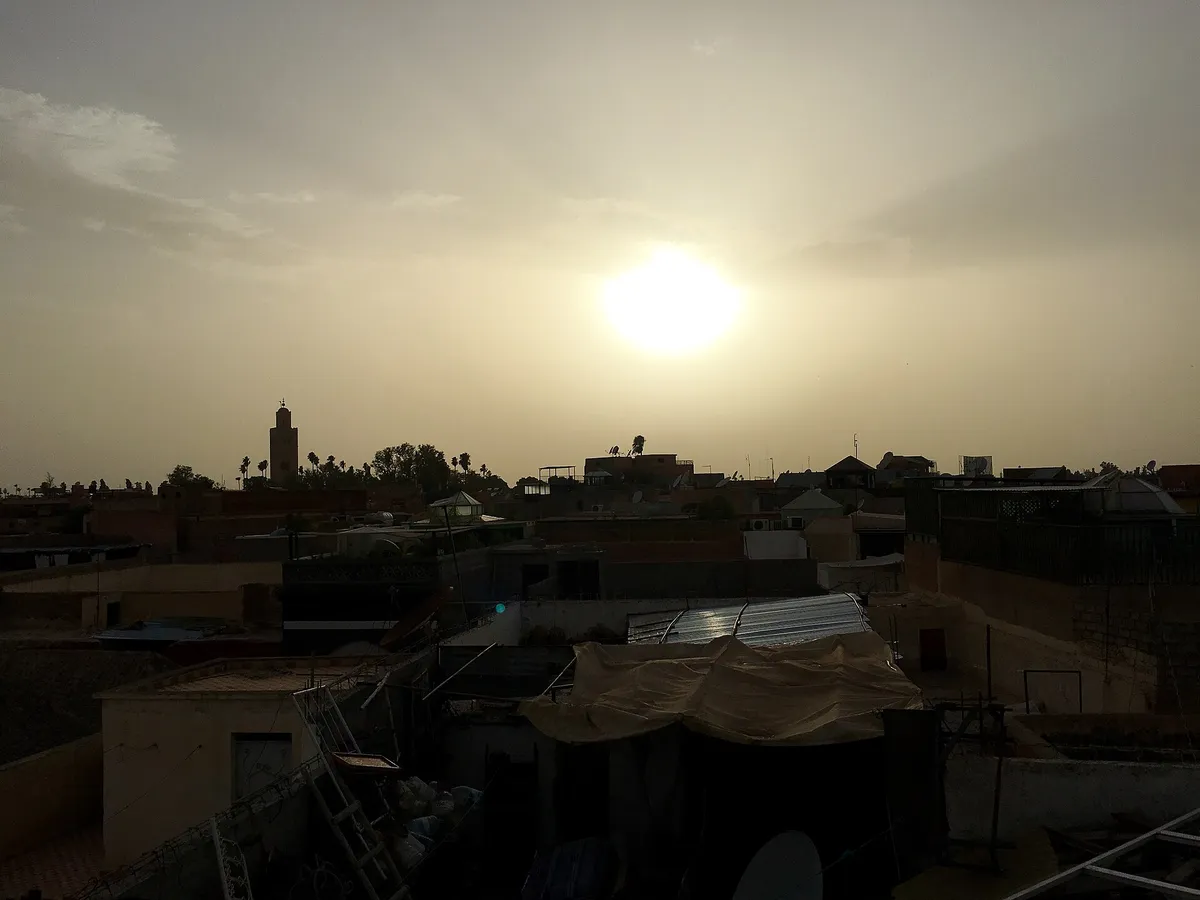
Photo: Thomas Woodtli from Zürich, Switzerland / Wikimedia Commons
Best Time to Visit Morocco: Marrakech, Sahara, Fes & Atlas Mountains Season Guide 2026
When to visit Morocco for the Sahara Desert, Marrakech souks, Fes medina, and Atlas Mountains — complete seasonal guide covering weather, festivals, crowds, and Ramadan travel for 2026.
Best Time to Visit Morocco: Month-by-Month Guide
Morocco is one of the world’s most varied destinations — in a single day you can move from Mediterranean beaches to mountain passes to Saharan dunes. Each region has different optimal seasons, and Ramadan (which shifts each year) significantly affects the travel experience.
The Best Overall Months
March–May and October–November are Morocco’s two finest travel windows:
- Pleasant temperatures (18–28°C in most regions)
- Wildflowers in the Atlas Mountains (spring)
- Clear skies for Sahara stargazing
- Active medina life without summer heat exhaustion
Season by Season
Spring (March–May): Best for Most Travelers
March: Morocco is at its most beautiful. The Atlas Mountains are still snow-capped, wildflowers bloom in the valleys, and temperatures are perfect (15–25°C). The desert days are comfortable (25–30°C) rather than scorching.
April: Consistently excellent. Note: Ramadan timing — check the lunar calendar. Ramadan in April changes the experience significantly (see below). The Rose Festival in El Kelaa M’Gouna (Dades Valley, April/May) is Morocco’s most beautiful regional festival — villages turn pink with damask rose harvest.
May: Warming up (28–35°C), but still manageable for medina walking if you start early. The southern Draa Valley is spectacular in May.
Summer (June–August): The Demanding Season
Moroccan summers are intense:
Marrakech in summer: Temperatures regularly reach 40–45°C in July–August. The medina becomes nearly unbearable 11am–5pm. If you go, riads with pools are essential.
The coast is different: Essaouira and Agadir stay cooler (25–28°C) due to Atlantic breezes — Morocco’s beach destination in summer. Essaouira’s wind makes it one of the world’s premier windsurfing destinations (Gnawa Music Festival in June).
The Atlas Mountains: Excellent in summer — cool at altitude (Toubkal, 4,167m), and the trekking season peaks June–September.
The Sahara in summer: Extremely hot (45–55°C ground level) but spectacular dawn and dusk. Camp operators maintain this reality — most visitors go at sunset and overnight. August mornings in the Erg Chebbi are still uncomfortable, but manageable.
Autumn (September–November): The Second Best Season
September: Excellent overall — summer heat breaking, all attractions accessible. The date harvest in the Draa Valley makes Zagora and M’Hamid uniquely fragrant.
October: Arguably the single best month. The Sahara temperature is perfect (25–35°C days, cool nights), the mountains are accessible without snow risk, and the medinas are active but not overwhelming. Marrakech Popular Arts Festival (September/October) showcases traditional Moroccan performance.
November: Cooling fast. Excellent in the south (Sahara, Zagora), but Fes and Chefchaouen can be chilly by late November.
Winter (December–February): Surprises and Snow
December: A lovely month in Marrakech — crisp, sunny, 18–22°C days. The pink city against snow-capped Atlas Mountains is one of Morocco’s most striking winter images. The Sahara nights are cold (near-freezing), requiring warm sleeping equipment.
January–February: Morocco’s ski season — Oukaimeden ski resort above Marrakech (2,600m) has 5 runs and surreal views. Otherwise, January and February bring rain to coastal cities and snow to mountain passes, closing some Sahara routes.
Ramadan: What Travelers Need to Know
Ramadan moves 10–11 days earlier each year. In 2026, Ramadan falls approximately late January–late February (dates confirmed annually with moon sighting).
What changes during Ramadan:
- Restaurants and cafés are closed during daylight hours in traditional areas
- Alcohol is not served publicly in many establishments
- Business hours shift significantly — many shops close midday
- The atmosphere in medinas becomes quieter by day and extremely festive at night (iftar breaks fast at sunset)
- Prices are often lower
Iftar (the evening meal breaking fast) is Morocco’s most hospitable moment. If invited to an iftar, accept without hesitation — harira soup, chebakia pastries, dates, and milk signal the break of fast in one of the world’s great social rituals.
Traveling during Ramadan is fine — just adjust your rhythm. Eat breakfast in your riad, see sights in the morning, rest midday, and join the evening energy after sunset.
Region-Specific Recommendations
| Region | Best Months | Avoid |
|---|---|---|
| Marrakech | March–May, Oct–Nov | July–August (extreme heat) |
| Fes | March–May, Oct–Nov | July–August |
| Chefchaouen (Blue City) | March–May, Sept–Oct | August (peak crowds) |
| Sahara Desert (Erg Chebbi) | Oct–April | July–August (dangerous heat) |
| Atlas Mountains Trekking | June–September | January–March (snow closes passes) |
| Essaouira | June–September | December–January (cold wind) |
| Agadir | Year-round | None — Morocco’s most consistent beach climate |
FAQ
Is Morocco safe to travel independently? Yes — Morocco is one of Africa’s most-visited and well-developed destinations for independent travel. The main challenges are persistent (but not dangerous) touts in medinas, especially Marrakech’s Djemaa el-Fna square. A firm “la shukran” (no thank you) and continuing to walk usually ends the exchange. Female solo travelers do encounter harassment, particularly in Marrakech; Chefchaouen, Essaouira, and Fes are notably more relaxed.
How does Marrakech’s heat affect touring the medina? In July–August, the medina is genuinely difficult in the afternoon. Successful Marrakech strategy in summer: rise at 7am, tour until 11:30am, return to your riad’s pool from noon–5pm, then re-emerge for the evening. Riads (traditional courtyard guesthouses) with pools are specifically designed for this daily rhythm.
Can I visit the Sahara desert in summer? Yes, but with precautions. Daytime temperatures reach 45–55°C. Most desert camps operate dawn and dusk activities only in summer — camel treks leave 4:30am and 5pm. The Milky Way over the Sahara in summer is extraordinary. Ensure your camp has proper shade structures and sufficient water.