
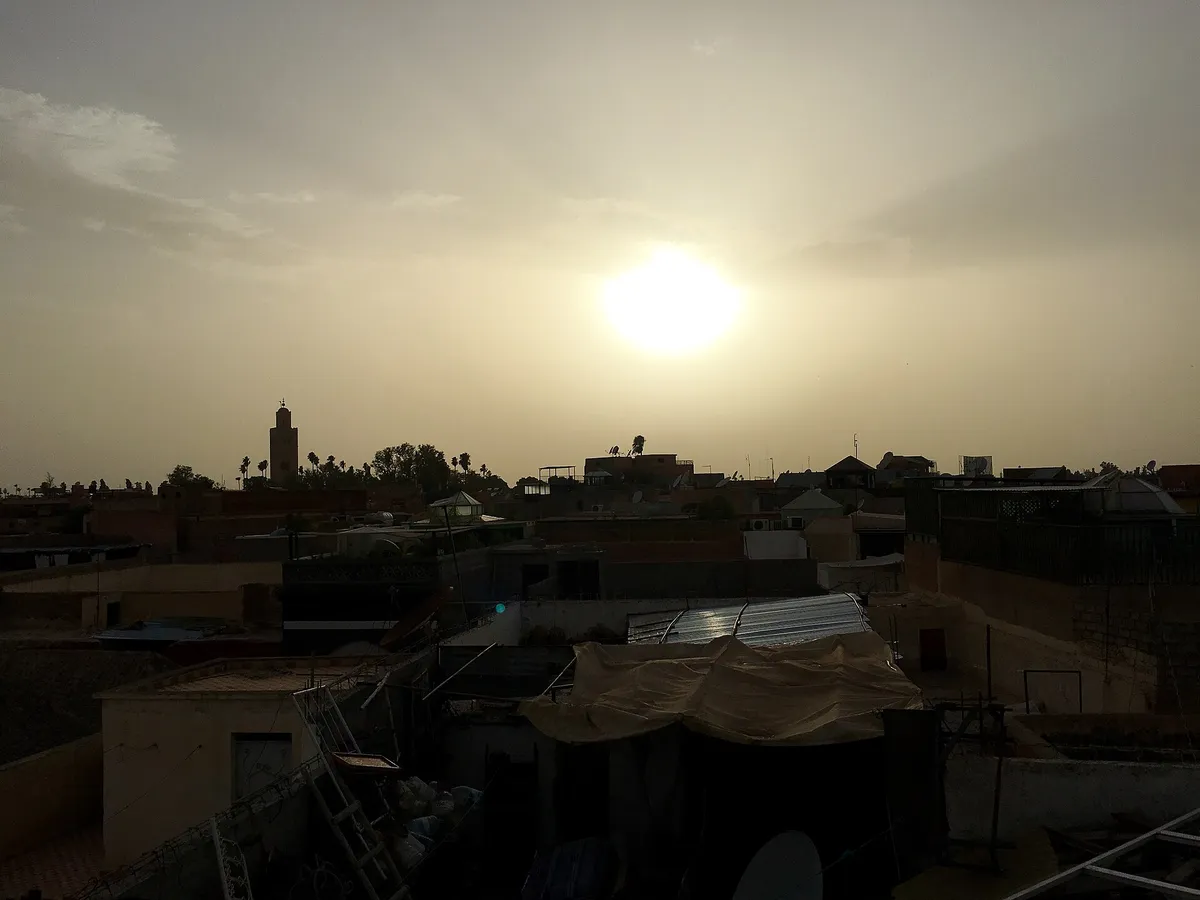
Photo: Thomas Woodtli from Zürich, Switzerland / Wikimedia Commons
Marrakech vs Fes: Which Moroccan City Should You Visit? 2026 Comparison
Marrakech vs Fes — the Djemaa el-Fna versus the Chouara Tannery, the party city versus the medieval scholar city, riads versus fondouks, and which Moroccan medina is right for your trip in 2026.
Marrakech vs Fes: The Complete Comparison
Morocco’s two most visited imperial cities are 560km apart and 2,000 years apart in character. Marrakech is a sensory spectacle — performative, beautiful, and occasionally exhausting. Fes is quieter, deeper, and stranger — the largest car-free medieval urban area in the world, where the 11th century is not a museum but a living fabric.
The Medinas
Marrakech’s Medina
Scale: About 10 square kilometers; roughly manageable with a map.
Character: Theatrical. The Djemaa el-Fna (the great square, UNESCO Intangible Heritage) is the organizing center — storytellers, snake charmers, henna artists, and acrobats by day, transforming to 100+ food stalls by night. The souks extend north from the square in a rough organization: spice market (souk des épices), textile market, leather market (souk des Babouches), carpet souk, and metalwork souk.
Architecture: The Bahia Palace (19th century, 8 hectares of rooms and gardens for the Grand Vizier’s harem), the Saadian Tombs (16th century, sealed and unknown for 300 years), the Ben Youssef Madrasa (14th-16th century, the most elaborate carved stucco in Morocco). The Koutoubia Minaret (12th century, 70m) is the model for the Giralda in Seville and the Hassan Tower in Rabat.
The feeling: Marrakech’s medina has been heavily touristed since the 1990s. The “pink city” (local sandstone is terracotta-pink) is more international than the medinas of Fes or Meknes — design shops selling Moroccan-influenced furniture, international-standard riad restaurants, a mature tourism infrastructure.
Fes’s Medina (Fes el-Bali)
Scale: 54 square kilometers of medieval street labyrinth — the largest car-free urban area in the world.
Character: Genuine medieval city. The 9,400 alleys, some only 50cm wide, were never designed for orientation — they evolved organically from 789 AD to the present. Mule trains are the primary freight system. The sounds are muezzin calls, copper hammering from the metalwork souk, and the calls of vendors selling bread from trays on their heads.
Architecture: The Al-Qarawiyyin Mosque and University (founded 859 AD — the world’s oldest continuously operating university; closed to non-Muslims for entry, but visible from the library windows) is the spiritual and intellectual heart of Fes. The Bou Inania Madrasa (1350, open to visitors) has the finest carved cedar, carved stucco, and zellige tilework in Morocco — the wood carvers’ patterns are mind-boggling in their intricacy.
The Chouara Tannery: The most famous sight in Morocco — 11th-century stone vats for processing and dyeing leather (using pigeon dung for softening, traditional mineral dyes for coloring). View from leather goods shops overlooking the tannery (the smell of the pigeon dung softening bath is significant — the mint sprigs that shops offer visitors are not a joke).
The feeling: Fes’s medina is less prepared for tourism than Marrakech’s. The lack of signage and the labyrinthine scale means getting lost is inevitable. This is a feature, not a bug. The people you meet when completely turned around are more often residents going about their lives than touts — and the neighborhoods behind the main souk routes are genuinely undiscovered.
Accommodation
Marrakech: The Riad Revolution
Marrakech has the world’s most developed riad accommodation market — traditional courtyard houses converted to boutique hotels, often by French or British owners, at every price point:
Best riads in Marrakech:
- El Fenn (art-filled, rooftop pool, Branson family): The most stylish and internationally famous
- Riad Farnatchi (9 suites only): The most luxurious; hammam, pool, legendary service
- Dar les Cigognes: Views of storks nesting on the ramparts; excellent value
Fes: Fondouks and Palaces
Fes’s accommodation has fewer internationally managed riads; the best options are increasingly compelling:
- Riad Fes (5 Derb Ben Slimane): 28 rooms, rooftop pool, the most reliable luxury riad in Fes
- Palais Amani (12 Derb El Miter): 10 rooms in a 17th-century palace; cooking classes, hammam, exceptional restaurant
Food and Drink
Marrakech
The Djemaa el-Fna stalls (stalls 1–100, numbered by city license): The most accessible food experience in Morocco — merguez sausage, harira soup, lamb tagine, snails in cumin broth, sheep’s head, fresh orange juice, dried fruit. Eat at stall 1 or 2 (the established ones near the Koutoubia) for the most reliable food safety.
Best restaurants:
- Nomad (1 Derb Arjaan): Modern Moroccan in a 4-story riad; excellent pastilla
- Le Jardin (32 Souk Jeld Sidi Abdelaziz): Garden restaurant in the medina; best brunch in Marrakech
- Tanjia (14 Derb el-Miter): The Marrakchi tanjia (clay pot slow-cooked lamb) at its best
Fes
Best food in Fes:
- L’Ambre (Riad Fes): The finest tasting menu in the city
- Maison Bleue (restaurant attached to the riad): Fassi cuisine — the aristocratic cooking tradition of Fes, considered the finest in Morocco
- Café Clock (7 Derb El Magana): International NGO café and cultural center; excellent Moroccan café food; the best camel burger in the country
The Verdict
Go to Marrakech if: You want the most internationally accessible Moroccan experience, the Djemaa el-Fna theater, the best riads at every budget, proximity to Essaouira (Atlantic coast, 3h) and the High Atlas day trips.
Go to Fes if: You want genuine medieval Islamic architecture without tourist gloss, the finest Fassi cuisine, the Chouara Tannery experience, and the most authentic medina in Morocco.
Do both: Marrakech–Fes by ONCF rail (via Casablanca, 7–8h) or CTM bus (7h direct); easier as a loop from Casablanca airport.