
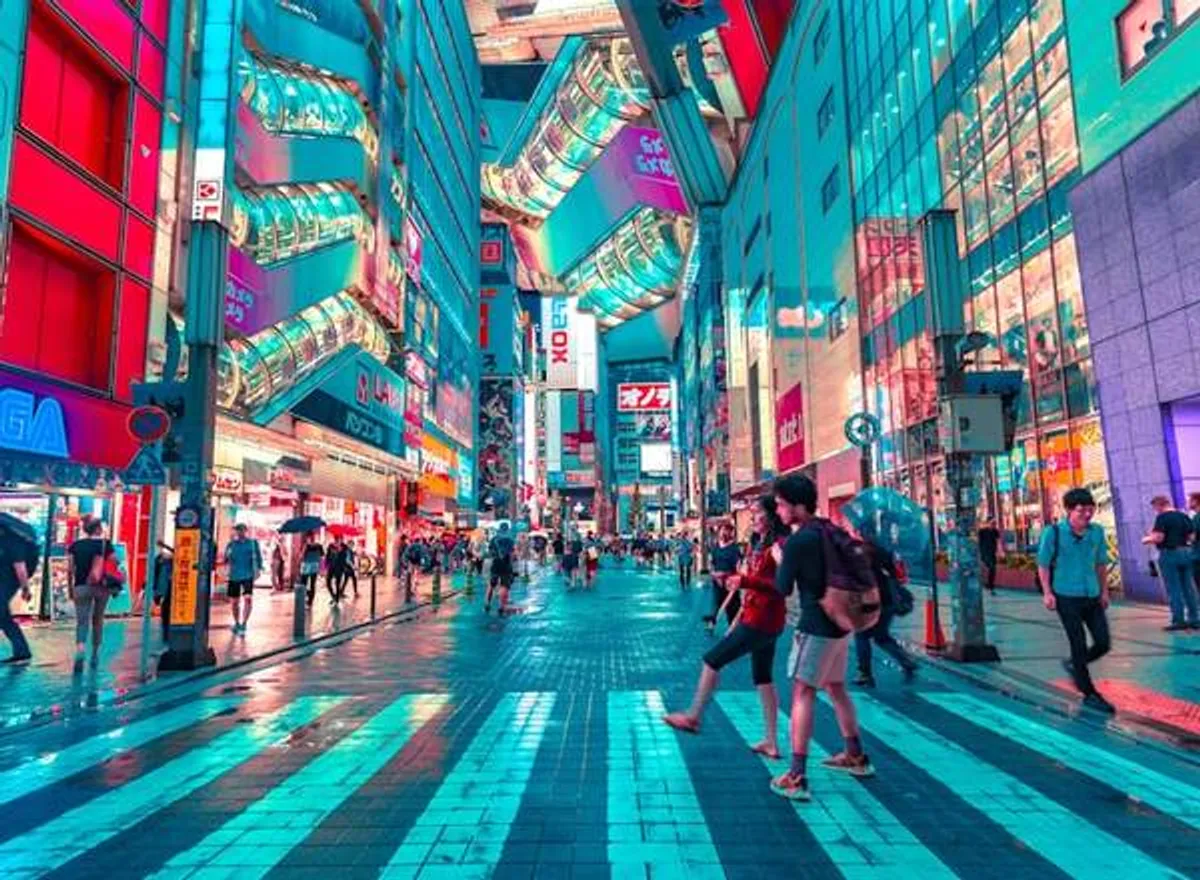
Photo: Unknown (prototype asset) / project prototype
Best Time to Visit Japan: Cherry Blossoms, Autumn Leaves & Avoiding Crowds
The Maruyama Park sakura at 23:00, Nikko's maple cascade in mid-November, and the January onsen in Hakone with snow on Mount Fuji — Japan's best seasonal experiences month by month for 2026.
Japan by Season
Japan offers four of the most distinctive seasonal experiences in travel — the cherry blossom (sakura) season in spring, summer festivals (matsuri) and fireworks (hanabi), the autumn maple leaf (koyo) season, and winter snow culture (onsen in the snow, ski resorts, New Year celebrations). Each season transforms the country almost completely — the Japan of April is barely recognizable as the Japan of November.
Spring: The Cherry Blossom Season
When
Japan’s cherry blossom season is its most culturally significant natural event — sakura (the Japanese cherry blossom, the country’s most important aesthetic symbol) forms a pink canopy that moves north from February in Okinawa to May in Hokkaido, typically reaching peak bloom:
- Tokyo: Late March to early April (2026 forecast: approximately March 24–April 3)
- Kyoto: Late March to early April (typically 3–4 days after Tokyo)
- Osaka: Late March to early April (simultaneous with Kyoto)
- Hiroshima: Late March
- Hokkaido (Sapporo): Late April to early May
The bloom forecast: The Japan Meteorological Corporation publishes its Sakura Forecast (one of the most closely watched forecasts in the country) each January for the coming spring. The bloom date can vary by up to two weeks year-to-year depending on winter temperatures.
The Best Cherry Blossom Sites
Maruyama Park (Kyoto): Home to Kyoto’s most photographed single cherry tree — a shidare-zakura (weeping cherry) spectacularly illuminated at night for yozakura (nighttime sakura viewing). The atmosphere here, with food stalls and the blue plastic picnic sheets of the hanami picnic tradition, is the most festive of the sakura season.
Philosopher’s Path (Kyoto): A 2km canal path from Nanzen-ji to Ginkaku-ji lined with 450 cherry trees — one of the most photographed walks in Japan during cherry blossom season.
Shinjuku Gyoen (Tokyo): Tokyo’s best cherry blossom park — 1,100 cherry trees across 65 varieties extend the bloom period to roughly 30 days, well beyond the standard one-week peak of the somei yoshino variety alone.
Hirosaki Castle (Aomori, Tohoku): One of the most striking castle settings for cherry blossoms in Japan — fallen petals blanket the moat in the hanaikada (“flower raft”), among the most photographed cherry blossom scenes in northern Japan.
Summer: Festivals and Heat
The Matsuri Season
Japan’s summer festival season (June–August) brings one of the densest concentrations of traditional culture in the calendar:
Gion Matsuri (Kyoto, July 1–31): Japan’s most important festival — the Yamaboko Junko procession sends 23 giant festival floats (yamaboko) through central Kyoto on July 17 and July 24, each showcasing centuries-old craftsmanship, silk tapestries, and gilded decoration, some pieces 500 years old.
Awa Odori (Tokushima, August 12–15): Shikoku’s dance festival — one of the most energetic traditional dance events in Japan, with around 100,000 dancers in traditional attire processing through the streets.
Tenjin Matsuri (Osaka, July 24–25): Osaka’s most important festival — a river procession of more than 100 boats on the Okawa River on July 25 (the Funatogyo), capped by fireworks (hanabi) considered among the best festival displays in the country.
Obon (August 13–15): A Buddhist ancestor festival marked by Bon Odori (circular folk dances performed at temples nationwide) and lantern-floating ceremonies (Toro Nagashi) on rivers and lakes throughout Japan.
The Summer Reality
Japanese summer is intensely hot and humid — Tokyo’s July–August temperatures average 30–35°C with 80%+ humidity, and the urban heat island effect makes central Tokyo genuinely uncomfortable in August. Comprehensive air conditioning keeps the indoors comfortable, but outdoor sightseeing is a challenge.
Autumn: The Maple Leaf Season
Koyo — Crimson and Gold
The autumn maple leaf season (koyo or momiji) is Japan’s most visually spectacular — Japanese maple (momiji), ginkgo (icho), and the cherry trees’ own autumn color combine into one of the richest color palettes of any autumn anywhere:
- Hokkaido: Peak late September–mid-October
- Nikko: Peak mid–late October
- Tokyo: Peak mid–late November
- Kyoto: Peak mid–late November (Tofuku-ji and Eikan-do Temple’s maple gardens are among the best)
- Hiroshima/Miyajima: Peak late November
The Best Autumn Sites
Tofuku-ji (Kyoto): One of the most spectacular single koyo sites in Japan — the Tsutenkyo Bridge (a covered wooden bridge over a maple canyon, among the most photographed autumn images in the country) and roughly 2,000 maple trees in the Sanzen-in valley.
Nikko (Tochigi): A UNESCO World Heritage backdrop for koyo — the Tosho-gu Shrine (Japan’s most elaborately decorated shrine, with roughly 5,000 wood carvings and extensive gold leaf) beneath an autumn maple canopy, and Kegon Falls (97m, Japan’s most famous waterfall) framed by maple color.
Arashiyama (Kyoto): The bamboo grove and Togetsukyo Bridge in autumn colors — one of the most beautiful autumn views in urban Japan.
Winter: Onsen and Snow
The Onsen Experience
Japanese winter (December–February) is the best season for onsen (hot spring bath) culture — the contrast between cold air and hot mineral water makes for the finest onsen experience of the year:
Hakone (70km southwest of Tokyo): The most accessible onsen destination from Tokyo — outdoor hot spring baths (rotenburo) with Mount Fuji views at the Gora and Sengokuhara hot spring resorts.
Nikko Yumoto Onsen: A remote mountain onsen village at 1,480m altitude, known for its snow, isolation, and distinctive kappa mineral spring character.
Kinosaki Onsen (Hyogo): One of Japan’s most distinctive onsen towns — 7 public bathhouses, each with different mineral properties, connected by the tradition of walking between them in yukata along willow-lined canal streets, plus kani (crab) cuisine — Matsuba crab, available only November–March, is one of the best winter food experiences in Japan.
Month-by-Month Quick Reference
| Month | Best For | Crowds | Avoid |
|---|---|---|---|
| January | Onsen, snow, New Year calm | Low | Cold (-5 to 10°C) |
| February | Sapporo Snow Festival, plum blossoms | Low-mid | Cold |
| March | Cherry blossom (south Kyushu) | Building | March 20–April 10 peak |
| April | Cherry blossom (Tokyo, Kyoto) | Peak | April 1–7 maximum crowds |
| May | Golden Week end, green season | Very high May 1–5 | Golden Week |
| June | Hydrangeas, lower crowds | Low | Rainy season |
| July | Gion Matsuri, fireworks | High | Extreme heat |
| August | Summer festivals, Obon | High | Extreme heat+humidity |
| September | Lower crowds, warm | Low-mid | Typhoon risk |
| October | Early koyo (Hokkaido, Nikko) | Building | — |
| November | Peak koyo (Kyoto, Tokyo) | High | November 15–25 maximum |
| December | Illuminations, onsen | Low | Christmas week expensive |
FAQ
How far ahead to book for cherry blossom season? 6–12 months for the best ryokan and luxury hotels in Kyoto and Tokyo (Tawaraya and Hiiragiya book out a year ahead for late March/early April). 3–4 months for standard hotels. The exact bloom date can shift up to 10 days earlier or later than forecast, so booking specific nights is something of a gamble — choose flexible cancellation rates where possible.
Is Japan expensive? Less expensive than European equivalents for comparable quality — a mid-range hotel in Tokyo (¥15,000–30,000/night, €95–190) is comparable to a 3–4 star hotel in Paris or London for significantly less. The Japan Rail Pass (¥50,000–80,000 for 7–21 days, the most efficient way to travel between cities thanks to unlimited Shinkansen access) is typically the largest single cost. Food is also excellent value — a ¥1,000 (€6) lunch delivers restaurant quality available almost everywhere in the country, among the best food value in the developed world.
Is it possible to see cherry blossoms and koyo on the same trip? No — cherry blossom peaks in late March/early April and koyo peaks in mid-to-late November. An April trip means cherry blossoms; a November trip means koyo. Choosing between the two is the fundamental Japan travel-planning decision.