
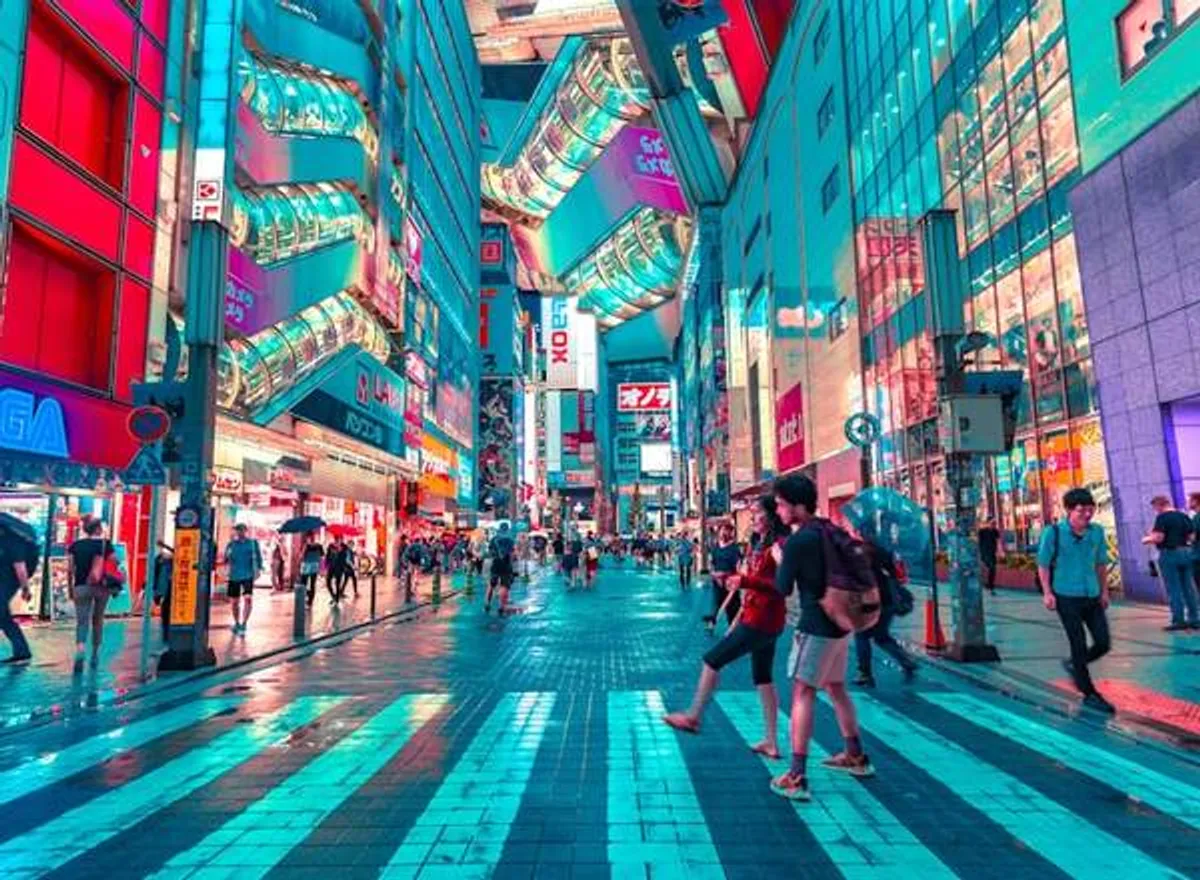
Photo: Unknown (prototype asset) / project prototype
Best Time to Visit Japan: Month-by-Month Guide
Planning a trip to Japan? This complete seasonal guide breaks down every month — weather, crowds, prices, and festivals — so you can pick the perfect time to visit Tokyo...
TL;DR
- Best overall: Late March to early April (cherry blossoms) and November (autumn foliage) — stunning scenery but peak crowds
- Best value: January, February, and June offer lower hotel prices and thinner crowds without sacrificing much
- Avoid if crowds bother you: Golden Week (late April to early May) and Obon (mid-August) see Japan’s highest domestic travel volumes
- Budget tip: Capsule hotels run €30–50/night year-round; ryokans drop to €80–120/night in the off-season
Japan is one of the world’s most season-driven travel destinations. The country’s culture is deeply tied to its four distinct seasons — cherry blossoms in spring, humid green summers packed with festivals, fiery autumn foliage, and crisp winters with world-class skiing. Picking the right time to visit Japan isn’t just about weather; it shapes the entire experience.
This guide covers every month in detail, with honest assessments of weather, crowds, and costs across Tokyo, Kyoto, and Osaka.
Month-by-Month Breakdown
| Month | Weather | Crowds | Price | Verdict |
|---|---|---|---|---|
| January | Cold, 2–8°C | Low | Low | Good for budget travelers, ski trips |
| February | Cold, 3–10°C | Low | Low | Cheapest month; plum blossoms start |
| March | Mild, 8–15°C | Medium-High | Medium | Cherry blossom season begins late month |
| April | Warm, 13–19°C | Very High | High | Peak cherry blossom; book months ahead |
| May | Warm, 18–23°C | High | Medium-High | Golden Week crowds early May; lovely after |
| June | Warm, 21–26°C | Low | Medium | Rainy season starts; fewer tourists |
| July | Hot, 26–32°C | Medium | Medium | Summer festivals begin; humid |
| August | Very hot, 27–33°C | High | Medium-High | Obon holiday crowds; fireworks festivals |
| September | Warm, 22–28°C | Medium | Medium | Typhoon risk; foliage hints at end of month |
| October | Mild, 16–22°C | Medium-High | Medium-High | Early autumn foliage; excellent weather |
| November | Cool, 10–17°C | High | High | Peak autumn foliage; second most popular month |
| December | Cold, 5–12°C | Medium | Medium-Low | Illumination events; Christmas–New Year rush |
Spring (March–May): Cherry Blossom Season
Spring is the most iconic time to visit Japan, and for good reason. The sakura (cherry blossom) season typically begins in late March in Tokyo and Osaka, peaking in early April. Kyoto’s blossoms arrive a day or two later than Tokyo’s, usually cresting around April 5–10.
The experience is genuinely extraordinary. Parks like Maruyama in Kyoto, Ueno in Tokyo, and the Osaka Castle grounds transform into corridors of pale pink and white. Hanami (flower-viewing picnics) happen everywhere.
The catch: the entire country knows this. Hotels in Kyoto can reach €300–500/night for mid-range rooms during peak cherry blossom week. Book at least four to six months in advance. Ryokans — traditional Japanese inns that include dinner and breakfast — typically run €120–200/night during shoulder periods and jump to €200–350+ in peak spring.
Golden Week (April 29 to May 5) is Japan’s longest national holiday cluster. Domestic tourism surges dramatically. Major sightseeing spots become extremely congested. Prices rise and availability tightens. If your travel dates are flexible, arriving in mid-May after Golden Week gives you warm weather, green landscapes, and a much calmer experience.
Practical note for Tokyo: The Shinkansen bullet train network is the fastest way to move between cities. A 7-day Japan Rail Pass currently costs around €300 and covers the Tokyo–Kyoto–Osaka corridor on the Tokaido Shinkansen. It’s worth it if you plan to travel between three or more cities.
Summer (June–August): Festivals and Heat
June marks the start of Japan’s tsuyu (rainy season). Rainfall increases significantly, humidity climbs, and temperatures settle in the mid-20s Celsius. Crowds drop noticeably compared to spring — this is one of the better kept secrets for travelers who don’t mind carrying an umbrella.
July and August are defined by summer matsuri (festivals). The Gion Matsuri in Kyoto — one of Japan’s most famous festivals — spans the entire month of July, with the main procession on July 17. Tokyo’s Sumida River Fireworks Festival in late July is spectacular. Osaka’s Tenjin Matsuri in late July is another major event.
The downside: August heat and humidity are brutal. Temperatures in Tokyo and Osaka regularly exceed 33°C with oppressive humidity. Kyoto, surrounded by mountains, traps heat even more effectively. Sightseeing in full sun is exhausting. Morning visits to temples and early evenings in covered shopping arcades become essential strategies.
Mid-August brings Obon, a traditional holiday when many Japanese families return to their hometowns. Urban areas thin out slightly while rural stations and domestic routes get very busy. Some restaurants and small shops in cities close during this period.
Accommodation: Summer prices are moderate for international tourists since this isn’t peak international season. Capsule hotels — a uniquely Japanese accommodation type — run €30–50/night year-round and are clean, functional, and centrally located in all major cities. Budget guesthouses and hostels hover around €40–70/night for a private room.
Autumn (September–November): Foliage Season
October and November are arguably the second-best time to visit Japan. The momiji (autumn foliage) season starts in northern Japan and Hokkaido in early October, sweeping south through Tohoku, then arriving in Tokyo and Kyoto in mid-to-late November.
Kyoto in November is breathtaking. Temples like Tofukuji, Eikan-do, and Arashiyama’s bamboo groves are framed in deep reds, oranges, and yellows. Crowds are significant but feel more spread out than cherry blossom season since the foliage period lasts longer and visitors distribute across more sites.
October itself tends to be undercelebrated. Weather is mild and pleasant (16–22°C), the risk of typhoons decreases after mid-October, and hotel prices are still moderate compared to November. If you can only choose one autumn month, late October to early November is the sweet spot.
Ryokan prices during autumn foliage peak (mid-November in Kyoto): €150–300/night. Booking two to three months ahead is advisable.
September carries some typhoon risk. Major storms are not guaranteed — many years see no significant disruptions — but it’s worth monitoring forecasts if you travel this month.
Winter (December–February): Ski Season and Quiet Cities
Winter is Japan’s quietest tourism season for international visitors, and that’s a significant advantage. Hotels drop to their lowest prices: ryokans in Kyoto can be found for €80–130/night, and budget options in Tokyo and Osaka dip further.
December brings illumination events — light displays at temples, gardens, and shopping districts — that are genuinely beautiful without the overwhelming crowds of cherry blossom season. Christmas in Japan is a culturally interesting experience (it’s treated primarily as a couples’ holiday, not a family one). New Year’s (Oshogatsu) is a major domestic holiday: Tokyo and Osaka quiet down as residents travel home, while Kyoto’s major temples see long queues for hatsumode (first shrine visit of the year) on January 1–3.
For skiing, Japan’s powder reputation is well-deserved. Niseko in Hokkaido is internationally famous, with lift passes running €50–70/day and slope-side accommodation ranging from €80/night in budget lodges to €400+ in luxury chalets. Nagano, which hosted the 1998 Winter Olympics, offers excellent skiing closer to Tokyo — reachable by Shinkansen in about 90 minutes.
January and February are the coldest months but also the most affordable and crowd-free for city travel. The plum blossom season begins in late February — a quieter, less-photographed but equally beautiful harbinger of spring.
Tokyo, Kyoto, and Osaka: Quick Comparison
Tokyo is the easiest entry point and the most cosmopolitan. It absorbs crowds better than Kyoto due to sheer size. Best seasons: cherry blossom (Ueno Park, Shinjuku Gyoen) and autumn (Rikugien Garden illuminations).
Kyoto is the most seasonally dramatic. Temples, bamboo groves, and geisha districts are best experienced outside peak weeks — aim for early mornings regardless of season. Most sensitive to crowds: cherry blossom week and November foliage peak.
Osaka is more relaxed and food-focused. Dotonbori and street food culture shine year-round. Less cherry blossom drama than Kyoto but excellent value and a great base. Hotel prices are consistently lower than Kyoto for comparable quality.
Practical Tips
- Shinkansen: A 7-day Japan Rail Pass (~€300) is worth it for Tokyo–Kyoto–Osaka–Hiroshima multi-city trips
- IC Card (Suica/ICOCA): Load one at the airport for seamless metro and bus access across all cities
- Cash: Japan remains heavily cash-based. 7-Eleven and Japan Post ATMs reliably accept foreign cards
- HaveNaGo recommends building at least one extra day into your itinerary for unplanned discoveries — Japan rewards spontaneity
FAQ
When are cherry blossoms in Japan? Sakura typically blooms in late March to early April in Tokyo and Osaka, and a few days later in Kyoto. The exact timing shifts by a week or two depending on the year’s winter temperatures. Japan’s Meteorological Corporation releases annual forecast maps from January onward.
Is Japan expensive to visit? Less than its reputation suggests. Budget travelers can manage on €60–80/day (capsule hotel €35, convenience store meals, public transport). Mid-range travel — comfortable guesthouses, sit-down restaurants, one or two paid attractions daily — runs €120–180/day. Ryokan stays with dinner and breakfast add €80–200 to daily costs.
How far in advance should I book for cherry blossom season? For Kyoto especially, book accommodation four to six months ahead for early April dates. Tokyo has more supply and is marginally easier, but popular hotels still fill up two to three months out.
Is Japan safe to visit alone? Japan consistently ranks among the safest countries in the world for solo travelers, including solo women. Violent crime rates are extremely low, public transport is reliable around the clock, and locals are generally helpful even with significant language barriers.