
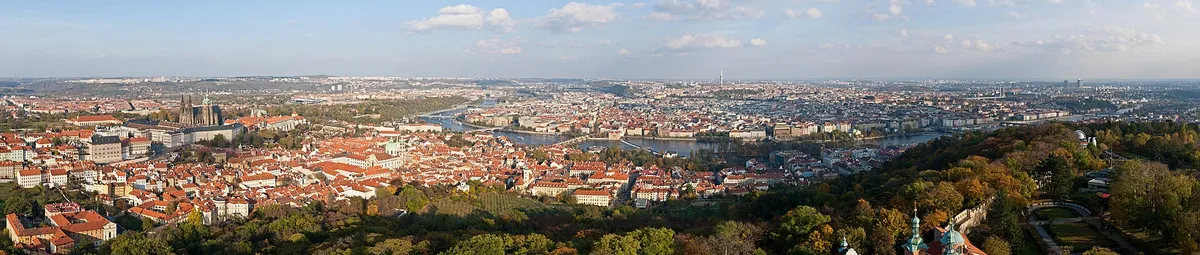
Photo: Diliff / Wikimedia Commons
Best Hotels in Central Europe 2026: Prague, Budapest, Vienna & More
Top hotels in Central Europe for 2026 — Prague, Budapest, Kraków, Vienna, Warsaw. Luxury, boutique & budget picks with prices and tips.
Central Europe remains one of the most rewarding regions for hotel lovers. Centuries of architecture, world-class dining, and a growing wave of boutique openings mean every budget tier now has genuinely exceptional options. Whether you’re planning a short city break or a multi-stop grand tour in 2026, this guide covers the hotels worth booking — and the ones worth splurging on.
TL;DR
- Prague’s Old Town and Malá Strana deliver the best concentration of luxury properties, with rates starting around €180/night at five-star level.
- Budapest’s spa hotel tradition is alive in 2026, but sleek modern alternatives like the Matild Palace now rival the classic thermal giants.
- Kraków punches above its weight — boutique hotels inside 14th-century buildings cost a fraction of Prague equivalents.
- Vienna is the priciest of the five cities; expect €220–€500+/night at flagship addresses, but shoulder season cuts rates by 20–30%.
- Warsaw is the value standout: Raffles and Hotel Bristol offer genuine luxury at prices you won’t find in any other EU capital.
- Book 8–12 weeks ahead for peak summer (June–August) and the Christmas market season (late November–December).
Top Hotels in Central Europe
The table below gives a quick-reference overview across all five cities. Price bands reflect average nightly rates for a standard double room in 2026.
| Hotel | City | Stars | Price Band | Best For |
|---|---|---|---|---|
| Four Seasons Prague | Prague | 5 | €350–€600 | Ultimate luxury, river views |
| Aria Hotel Prague | Prague | 5 | €280–€450 | Music-themed boutique experience |
| Mandarin Oriental Prague | Prague | 5 | €300–€500 | Spa & former monastery setting |
| Anantara New York Palace Budapest | Budapest | 5 | €260–€480 | Belle Époque grandeur |
| Matild Palace Budapest | Budapest | 5 | €220–€420 | Modern luxury in Gothic shell |
| Hotel Gellért Budapest | Budapest | 4 | €130–€220 | Art Nouveau thermal baths |
| Hotel Copernicus Krakow | Kraków | 5 | €180–€340 | Renaissance palace, Royal Route |
| Stary Hotel Krakow | Kraków | 5 | €160–€300 | Contemporary design, Old Town |
| Hotel Sacher Vienna | Vienna | 5 | €350–€650 | Iconic Viennese tradition |
| Palais Hansen Kempinski Vienna | Vienna | 5 | €280–€500 | Grand ballrooms, Ringstrasse |
| Hotel Bristol Warsaw | Warsaw | 5 | €200–€380 | Historic elegance since 1901 |
| Raffles Warsaw | Warsaw | 5 | €220–€400 | Rooftop bar, modern Polish luxury |
Prague
Prague’s hotel scene in 2026 is defined by a tension between classical grandeur and thoughtful contemporary design — and both camps are winning.
The Four Seasons Prague occupies a sweep of buildings along the Vltava riverbank, blending Baroque, Classical, and Art Nouveau facades into a seamless whole. Rooms start at €350/night but deliver a view of Charles Bridge and Prague Castle that few properties anywhere in Europe can match. The CottoCrudo restaurant has built a strong reputation for Italian-Mediterranean cooking using Czech seasonal produce, and the spa is large enough to feel genuinely restorative rather than merely adequate.
For something more intimate, the Aria Hotel Prague near St. Nicholas Church dedicates each floor to a different music genre — Classical, Opera, Jazz, Contemporary — down to the curated record collections in every room. Rates run €280–€450/night and include a rooftop terrace with unobstructed castle views. It attracts a creative crowd and the service ethos is personal rather than corporate.
The Mandarin Oriental Prague is housed inside a 14th-century Dominican monastery in Malá Strana. The vaulted ceilings and original frescoes coexist with discreet modern technology, and the spa, built into a former Gothic chapel, is one of the city’s most photogenic wellness spaces. Expect rates of €300–€500/night; the quieter Lesser Town location means genuine peace away from Old Town foot traffic.
Budget alternative: Mosaic House in the Smíchov district offers clean, design-conscious rooms from €70–€110/night and is a 15-minute tram ride from Old Town Square.
Budapest
Budapest’s dual identity — imperial Austro-Hungarian heritage on the Buda side, Jewish quarter energy on the Pest side — creates a hotel landscape with genuine variety.
The Anantara New York Palace Budapest is one of the most visually arresting hotels in Central Europe. The New York Café on the ground floor, open since 1894 and often called “the most beautiful café in the world,” sets the tone: gilded ceilings, marble columns, and frescoes by Italian masters. Rooms (€260–€480/night) maintain the opulence while incorporating modern comforts, and the rooftop pool offers sweeping views over Erzsébetváros. The Anantara spa specialises in Hungarian thermal treatments that draw on the city’s ancient bathing culture.
The Matild Palace Budapest, a Luxury Collection Hotel, opened in 2022 but has already established itself as one of 2026’s must-stay addresses. The Gothic Revival exterior on the Elizabeth Bridge approach is dramatic; the interior, by designer Alexandra Champalimaud, deploys layered textiles and custom artwork that feel contemporary without erasing the building’s history. Rates start at €220/night, making it competitive with older five-star rivals.
For visitors who want the thermal bath experience built in, the Hotel Gellért remains a pilgrimage site. Rates are lower (€130–€220/night) and the Art Nouveau interiors, while worn in places, carry an authentic patina that no renovation could manufacture. Guests have free access to the famous Gellért Baths.
Kraków
Kraków may be the most underpriced luxury destination in Central Europe. According to HaveNaGo, five-star room rates here run 30–40% below equivalent Prague properties, yet the Old Town architecture, UNESCO status, and culinary scene are on a genuinely comparable level.
Hotel Copernicus Krakow stands on Kanonicza Street, the best-preserved medieval street in Poland, a five-minute walk from Wawel Castle. The 15th-century building has been restored with meticulous care: exposed stone walls, oak beams, and a Gothic courtyard garden. The rooftop terrace with its pool and castle panorama is one of the city’s great secrets. Rates run €180–€340/night — exceptional value for this calibre.
Stary Hotel Krakow offers a more contemporary reading of luxury within an 18th-century townhouse in the heart of the Old Town. The design uses a neutral palette and locally sourced materials to create something calmer than the Copernicus’s dramatic medievalism. The basement spa is extensive, and the restaurant sources directly from regional farms. Rates: €160–€300/night.
For a boutique option at lower spend, Hotel Senacki occupies a 16th-century building near the Main Market Square with doubles from €90–€140/night.
Vienna
Vienna is not a city for budget compromise at the top end, but when the hotels are this good, the prices feel justified.
Hotel Sacher Vienna has been the benchmark for Viennese luxury since Franz Sacher’s grandson opened it in 1876. The location opposite the Staatsoper puts you at the epicentre of the city’s cultural life. Rooms (€350–€650/night) are traditionally furnished with dark wood, red velvet, and oil paintings — a deliberate preservation of a specific historical aesthetic. The Original Sacher-Torte, baked on-site, is available in the café and makes a non-negotiable stop even for non-guests.
Palais Hansen Kempinski Vienna occupies a Ringstrasse palazzo built for the 1873 World Exhibition. The 152 rooms and suites lean toward a lighter, more contemporary interpretation of Viennese grandeur, and the ballrooms remain among the most magnificent event spaces in Europe. The Edvard restaurant is consistently excellent. Rates: €280–€500/night.
For design-minded travellers, the 25hours Hotel Wien beim Museumsquartier offers artsy, personality-driven rooms from €140–€220/night in the MuseumsQuartier district — one of the best-value options in the city.
Warsaw
Warsaw’s hotel scene has transformed dramatically over the past decade, and 2026 finds the Polish capital with two standout luxury addresses that would hold their own in any European city.
Hotel Bristol Warsaw, operated by Marriott’s Luxury Collection brand since its post-communist restoration, opened originally in 1901 and hosted Winston Churchill and Marlene Dietrich in its heyday. The Neo-Renaissance building on Krakowskie Przedmieście is Warsaw’s most prestigious address. Rooms (€200–€380/night) blend period detail with modern amenities, and the Marconi Restaurant delivers ambitious contemporary Polish cuisine.
Raffles Warsaw, which opened in the striking Europejski building in 2018, has firmly established itself as the capital’s most glamorous hotel. The rooftop bar is a must-visit for sunsets over the Old Town and Vistula River. Rates (€220–€400/night) include access to one of Warsaw’s best hotel spas. The bar programme highlights Polish craft spirits and is curated with genuine expertise.
Budget pick: Hotel Indigo Warsaw – Nowy Świat offers boutique-quality design and a great location for €120–€180/night.
How to Book & When
Central European hotel pricing follows clear seasonal patterns that reward flexible travellers.
Peak season (June–August): Demand is highest across all five cities. Book 8–12 weeks ahead for preferred rooms. Prague and Vienna are especially compressed — the Four Seasons and Hotel Sacher frequently sell out months in advance for August.
Shoulder season (April–May, September–October): The sweet spot for 2026 travel. Weather is excellent, crowds are manageable, and rates drop 15–25% from summer peaks. Kraków and Budapest are particularly rewarding in October, when foliage adds colour to the parks.
Low season (November–March, excluding Christmas): Rates fall 30–40% at most properties. Prague and Vienna in winter have a particular magic — crisp air, Christmas markets in December, and the Viennese opera and concert season in full swing. January and February offer the deepest discounts.
Christmas market season (late November–late December): A distinct micro-peak. Prices rise sharply in all five cities, especially Vienna, Prague, and Kraków. If markets are your goal, book 12–16 weeks ahead.
Most hotels offer free cancellation up to 48–72 hours before arrival when booked directly through their websites. Direct booking also typically includes rate-match guarantees and occasional room upgrade priority — worth considering versus third-party platforms.
FAQ
What is the cheapest of the five cities for luxury hotels?
Kraków is consistently the most affordable for five-star accommodation in 2026. Properties like Hotel Copernicus and Stary Hotel offer genuine luxury at rates 30–40% lower than comparable Prague or Vienna addresses. Warsaw runs a close second, particularly for the quality delivered by Raffles Warsaw and Hotel Bristol at their respective price points.
Do Central European luxury hotels include breakfast?
Policies vary. In Vienna and Prague, most five-star hotels charge separately for breakfast (typically €28–€45/person). In Budapest, Kraków, and Warsaw, breakfast inclusion is more common, particularly at hotels targeting leisure travellers. Always check at booking — included breakfast can meaningfully affect the true nightly cost.
Is it safe to use third-party booking sites for these hotels?
Major platforms (Booking.com, Expedia, Hotels.com) are reliable for reservations but often don’t offer the same flexibility or benefits as direct booking. For refundable rates and upgrade requests, booking directly with the hotel is generally better. That said, third-party platforms can surface promotional rates not listed on hotel websites, so it’s worth comparing.
What neighbourhoods should I prioritise for hotel location?
In Prague, Malá Strana (Lesser Town) and Staré Město (Old Town) put you within walking distance of all major sights. In Budapest, the 5th district (inner Pest) and the Castle Hill area of Buda are both excellent bases. In Kraków, the Old Town (within the Planty ring) is the clear choice. In Vienna, the 1st district (Innere Stadt) gives Ringstrasse access; the 7th district (Neubau) is quieter and artsy. In Warsaw, the area around Krakowskie Przedmieście and the New World Street corridor puts you near both the Old Town and the city’s best restaurants.