
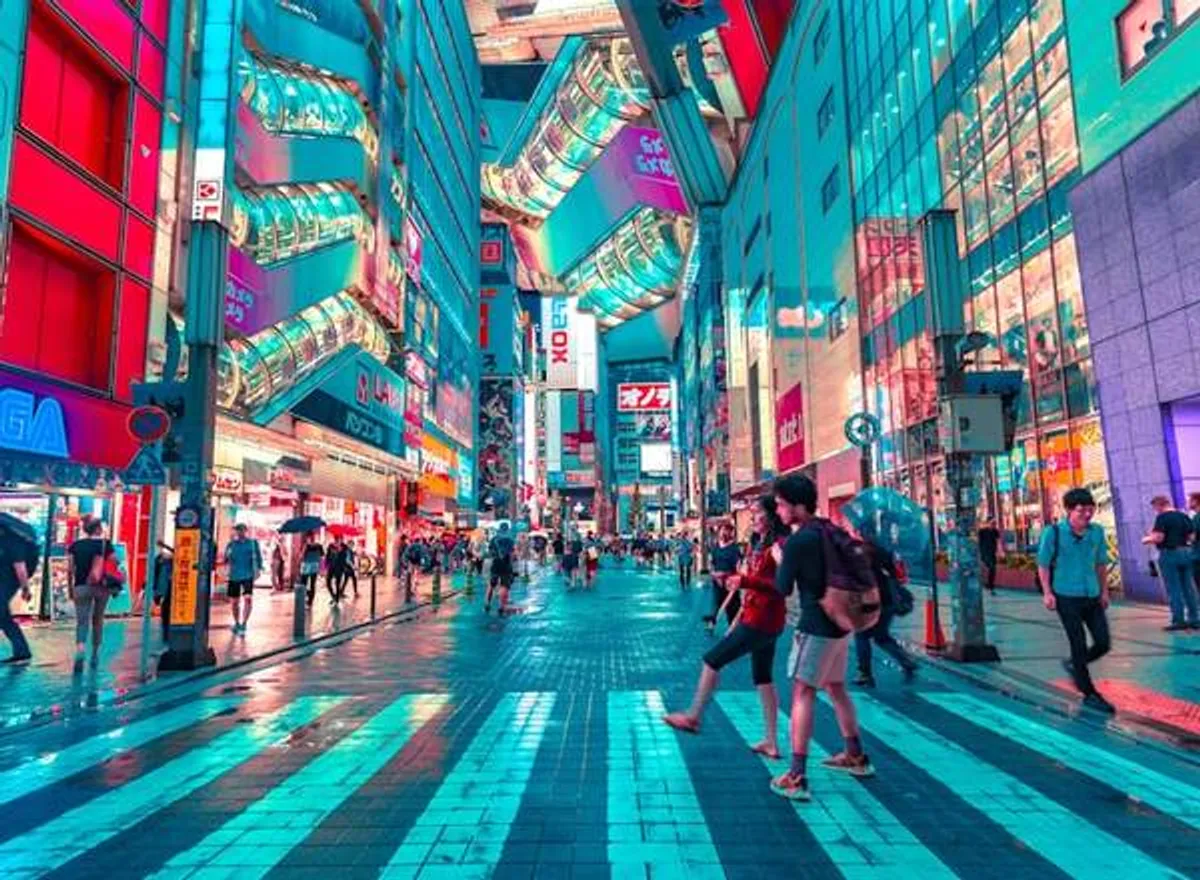
Photo: Unknown (prototype asset) / project prototype
Japan Travel Guide 2026: Visa, JR Pass, Cherry Blossom, Budget & Best Hotels
Complete Japan travel guide 2026 — cherry blossom dates, JR Pass prices and whether it's worth it, Japan visa requirements for all nationalities, Tokyo vs Kyoto vs Osaka, best time to visit, budget breakdown, and top hotels from ryokan to luxury.
Japan Travel Guide 2026: Everything You Need to Know
Japan (日本; Nihon; 125 million people; the 3rd largest economy in the world; 6,852 islands; the 4th largest island nation) is consistently ranked the world’s finest travel destination by international surveys — the combination of ancient temple culture (Kyoto’s 1,600 temples and shrines; Nara’s 8th-century Tōdai-ji; Nikko’s Tosho-gu mausoleum), contemporary urban culture (Tokyo’s 37 million metropolitan population; the finest restaurant concentration per capita on Earth — 200,000 restaurants in Tokyo alone), and the natural landscape (Mount Fuji 3,776m; the Japanese Alps; the subtropical Okinawan coast) creates the most diverse travel country per geographic area.
Japan Visa Guide 2026
Visa-Free Countries
Japan grants visa-free entry (up to 90 days) to citizens of 68 countries including:
- All EU member states
- United Kingdom, United States, Canada, Australia, New Zealand
- South Korea (90 days)
- Singapore (90 days)
Required documents for visa-free entry: Valid passport (6+ months validity), return ticket, accommodation booking, proof of funds (¥10,000–20,000 per day recommended).
Visa Required Countries
Citizens of India, China, the Philippines, Vietnam, Indonesia, and most African and Middle Eastern countries require a tourist visa. Apply at the Japanese embassy in your country:
- Processing time: 5–10 business days
- Cost: ¥3,000 (approx. €18) single entry
- Required: Bank statements (3 months), itinerary, accommodation bookings, employment letter
Digital Nomad / Extended Stay
Japan introduced the Digital Nomad Visa in March 2024 (6-month renewable visa for remote workers earning ¥10 million+ annually from foreign employers). The first dedicated long-stay visa of its kind in Japan.
When to Visit Japan
Cherry Blossom (Sakura) Season
The sakura (Prunus serrulata; the Japanese flowering cherry) is the most anticipated seasonal event in Japan — the bloom progresses from south to north over 6 weeks:
| Region | Average Peak Bloom |
|---|---|
| Kyushu (Fukuoka) | Late March (approx. March 22–28) |
| Tokyo | Early April (approx. April 1–8) |
| Kyoto | Early April (approx. April 3–10) |
| Tohoku (Sendai) | Mid-April |
| Hokkaido (Sapporo) | Late April–early May |
2026 prediction: Based on the consistent 10-year warming trend, Tokyo peak bloom is forecast for April 3–7, 2026. Book accommodation 6+ months ahead for the Tokyo/Kyoto cherry blossom week — rooms in central Kyoto during peak sakura sell out in September–October of the prior year.
Best sakura viewing spots:
- Tokyo: Shinjuku Gyoen (200 cherry trees; the most diverse sakura collection; ¥500 entry); Chidorigafuchi moat (the rowing boat experience beneath the canopy; ¥800 per boat for 30 minutes; queue 90 minutes during peak)
- Kyoto: Maruyama Park (the 200-year-old weeping cherry tree at the center; illuminated at night); Philosopher’s Path (the canal lined with 500 cherry trees; the 2km walk from Ginkaku-ji to Nanzen-ji)
- Hirosaki Castle (Aomori; 2,600 cherry trees; the castle reflected in the moat; the finest total sakura spectacle in Japan; 3h from Tokyo by Shinkansen)
Autumn Foliage (Koyo)
The second most popular season — the momiji (Japanese maple; Acer palmatum) turns crimson and gold November:
- Nikko (peak mid-October to early November): The Tosho-gu mausoleum and lake in autumn color
- Kyoto (peak mid-November): Eikan-do temple; Tofuku-ji (the 1,000 Japanese maples)
- Hakone (peak late October to mid-November): Mount Fuji backdrop
Summer (June–August)
Rainy season (tsuyu): Mid-June–mid-July in Honshu — warm and humid (30–35°C); the hydrangea and iris blooms; indoor museum focus. The Gion Matsuri (Kyoto’s most famous festival; July 1–31; the 9 yamaboko procession floats on July 17; UNESCO Intangible Cultural Heritage) falls in the rainy/early-summer season.
Winter (December–February)
The finest season for Hokkaido: Sapporo Snow Festival (February 5–11; the 200+ snow and ice sculptures in Odori Park; free admission; 2 million annual visitors); the Niseko ski resort (the finest powder snow in the world; the JJF — Japanese Jetstream Factor — produces 15m+ annual snowfall; comparable to Alta/Utah in consistency). Outside Hokkaido, January is the least crowded month for Tokyo and Kyoto.
The JR Pass: Worth It in 2026?
The Japan Rail Pass (JRパス; the unlimited Shinkansen and JR train pass for foreign visitors) underwent significant price increases in October 2023:
| Pass | Old Price (pre-2023) | New Price (2026) | Daily Cost |
|---|---|---|---|
| 7-day Ordinary | ¥50,000 | ¥50,000 | ¥7,143 |
| 14-day Ordinary | ¥80,000 | ¥80,000 | ¥5,714 |
| 21-day Ordinary | ¥100,000 | ¥100,000 | ¥4,762 |
| 7-day Green (1st class) | ¥70,000 | ¥70,000 | ¥10,000 |
Is the 7-day JR Pass worth it?
Calculate your routes: the break-even point is approximately:
- Tokyo → Kyoto (Shinkansen Hikari): ¥13,320 one way
- Kyoto → Hiroshima: ¥10,450
- Hiroshima → Osaka: ¥3,740
- Osaka → Tokyo: ¥13,870
Total Osaka Circuit: ¥41,380. The 7-day pass at ¥50,000 barely breaks even on the classic Tokyo–Kyoto–Hiroshima–Osaka circuit. Add Nara (¥720 from Kyoto) or a side trip to Hakone/Nikko to push the value positive.
For a shorter Tokyo-only trip: Do NOT buy the JR Pass. A 72-hour Tokyo Metro pass (¥1,500) covers all subway travel in Tokyo; IC card (Suica or Pasmo; ¥500 deposit, reloadable) covers everything else.
Japan Budget Breakdown 2026
| Category | Budget | Mid-Range | Luxury |
|---|---|---|---|
| Accommodation | ¥3,000–6,000 (hostel dorm) | ¥15,000–30,000 (business hotel) | ¥50,000–300,000 (ryokan/luxury) |
| Food | ¥1,500–3,000 | ¥4,000–8,000 | ¥15,000–50,000+ |
| Transport (daily) | ¥500–1,500 | ¥1,500–5,000 | ¥5,000–15,000 |
| Activities | ¥500–2,000 | ¥2,000–6,000 | ¥6,000–30,000 |
| Daily Total | ¥5,500–12,500 (~€35–80) | ¥22,500–49,000 (~€145–310) | ¥76,000–395,000 (~€480–2,500) |
Eating cheap in Japan: Japan’s convenience stores (konbini) — 7-Eleven, FamilyMart, Lawson — sell prepared food at quality far exceeding Western convenience stores: onigiri (¥120–200), hot soba (¥250), sushi trays (¥400–800). A full gyudon (beef rice bowl) at Yoshinoya: ¥448. A ramen bowl at a regional chain: ¥850–1,200. Budget travelers eat excellently for ¥2,500/day.
Tokyo: The 3-Day Essential Circuit
Day 1: Shinjuku and Shibuya
Shinjuku (the largest train station in the world by daily passenger count; 3.5 million daily; the west exit for the skyscrapers; the east exit for Kabukicho and Golden Gai):
- Tokyo Metropolitan Government Building (free observation deck; 202m; the best free view in Tokyo; open until 10:30pm)
- Golden Gai (the 6 alleys of 280 tiny bars; each bar holds 5–8 people; the most concentrated bar scene in Japan; the best atmospheric drinking experience in Tokyo)
- Omoide Yokocho (Memory Lane; the yakitori alley west of Shinjuku Station; the grilled chicken skewers under the railway arches; open until midnight)
Shibuya:
- Scramble Crossing (the world’s busiest pedestrian crossing; 2,500 people per cycle; best photographed from the Starbucks second floor at the northwest corner or the Mag’s Park rooftop)
- Shibuya Sky (¥2,000; the 229m rooftop observation deck with 360° view; the outdoor deck in wind; the finest Tokyo night view)
Day 2: Asakusa, Ueno, Akihabara
Asakusa:
- Senso-ji (Tokyo’s oldest temple; 645 AD; the Kaminarimon gate and the 250m Nakamise shopping street; most beautiful before 8am or after 8pm when the crowds thin)
- Tokyo Skytree (634m; the tallest structure in Japan; Tembo Deck at 350m ¥2,100 or Tembo Galleria at 450m ¥3,400)
Ueno: Tokyo National Museum (the largest art museum in Japan; 110,000 objects; the Japanese gallery wing has the finest collection of samurai armor, lacquerware, and ukiyo-e woodblock prints outside of specialized collections).
Akihabara (Electric Town; the electronics and anime district): The multi-story electronics markets (Yodobashi Camera; BIC Camera) and the anime/manga/figure stores (Animate; Mandarake; the capsule toy machines gashapon).
Day 3: Harajuku, Omotesando, and Teamlab
Harajuku: Takeshita Street (the teenage fashion street; the crepe vendors; the Lolita fashion shops); Meiji Jingu (the forested Shinto shrine dedicated to Emperor Meiji; 100,000 iris plants bloom mid-June).
Omotesando (the luxury shopping boulevard; the Champs-Élysées of Tokyo; Prada, Louis Vuitton, Chanel, Hermès flagship stores; the underground Omotesando Hills complex by Tadao Ando).
teamLab Borderless (the immersive digital art museum; ¥3,200; the most visited museum in Japan by foreign visitors 2023; the Azabudai Hills location opened 2024).
Kyoto: The 2-Day Essential Circuit
Arashiyama Bamboo Grove and Nishiki Market
Fushimi Inari-taisha (the 10,000 vermilion torii gates ascending the mountain behind the shrine; free; open 24 hours; the full circuit to the summit 4km / 2.5 hours): The most photographed sight in Japan. Go before 7am for empty gates.
Kinkaku-ji (the Golden Pavilion; ¥500; the 14th-century Zen temple with gold-leaf exterior reflected in the Mirror Pond): The second most photographed sight in Japan.
Nishiki Market (Kyoto’s Kitchen; the covered 400-year-old market; 5 blocks of 130 stalls): Fresh tofu, Kyoto pickles (tsukemono), dried seafood, matcha everything.
Arashiyama Bamboo Grove: 15 minutes from Kyoto city center by train (Sagano Line to Saga-Arashiyama station); the bamboo grove is a 5-minute walk and free. The adjacent Tenryu-ji (UNESCO; the finest Zen garden in Kyoto; ¥500).
Japan’s Best Hotels
Luxury
- The Peninsula Tokyo (Marunouchi; from ¥90,000/night; the finest Western luxury hotel in Tokyo; the rooftop Peter restaurant)
- Aman Kyoto (Sagano; from ¥250,000/night; the forested Zen garden retreat; the most expensive hotel in Kyoto)
- Hiiragiya Ryokan (Kyoto; from ¥80,000/night; founded 1818; the finest traditional ryokan experience)
Mid-Range
- Hotel Gracery Shinjuku (Shinjuku; from ¥20,000/night; the Godzilla head on the roof terrace; the best value mid-range in Shinjuku)
- Dormy Inn Kyoto (Kyoto; from ¥15,000/night; the Japanese business hotel chain with natural hot spring onsen)
Budget
- Khaosan Tokyo Origami (Asakusa; from ¥3,500/dorm; the finest budget hostel in Tokyo)
FAQ
Is Japan expensive in 2026? Less than most visitors expect. Budget travelers can manage on ¥8,000–12,000/day (€50–75) outside of accommodation. The weak yen (¥150–160 per €1 in 2025–2026) makes Japan significantly cheaper for European visitors than it was in the 2000s–2010s. Accommodation is the main cost; food, transport, and entry fees are reasonable.
Do I need to speak Japanese? No — major train stations, airports, and tourist areas have English signage and staff. Google Translate camera mode (instant text translation via phone camera) handles menus, signs, and most practical Japanese instantly. Learning 10 words (arigato, sumimasen, ikura desu ka, etc.) is appreciated but not required.
Is Japan safe? Japan is among the 3 safest countries in the world (Global Peace Index #9 in 2025). The violent crime rate is near zero; petty theft is extremely rare; lost wallets are routinely turned in to police; women can walk alone safely at any hour in any city. Natural disasters (earthquake, typhoon) are the primary safety considerations — download the NHK World alert app.
How many days do I need in Japan? 10–14 days for Tokyo + Kyoto + one day trip (Hiroshima + Miyajima, or Hakone). 7 days covers the core Tokyo (3 days) + Kyoto (2 days) + Osaka (2 days) circuit. 3 weeks allows Kyushu, Tohoku, or Hokkaido addition.