
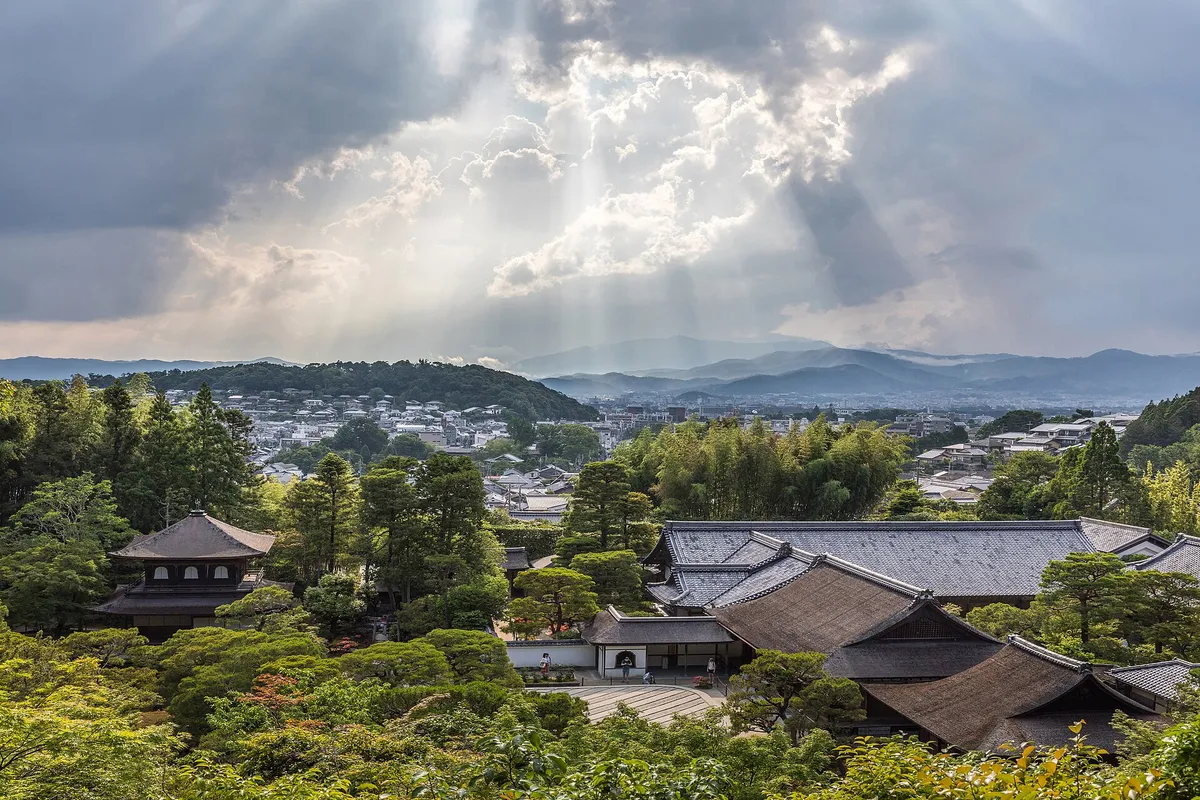
Photo: Basile Morin / Wikimedia Commons
Asia Travel Guide 2026: Best Countries, Destinations & Hotels in Southeast & East Asia
The complete Asia travel guide 2026 — best countries for first-time visitors, Southeast Asia vs East Asia comparison, visa requirements, budget breakdown, best time to visit Thailand, Japan, Vietnam, Bali, and expert packing tips.
Asia is not a destination — it is a continent of destinations, each operating on its own rhythms, currencies, visa rules, and seasonal logic. In 2026, the region has fully rebounded from post-COVID disruptions: flight networks have expanded, new low-cost routes connect secondary cities, hotel supply has risen sharply across Thailand and Vietnam, and visa-on-arrival programmes have been extended or simplified across much of Southeast Asia. There has never been a better time to travel here, and there has never been more noise to cut through when planning a trip.
This guide is the starting point. It covers the five countries that dominate most first-time Asia itineraries — Thailand, Japan, Vietnam, Bali, and Cambodia — with specific prices, practical logistics, and the strategic context that most generic guides leave out. Whether you have two weeks or three months, a shoestring budget or money to spend on exceptional hotels, the framework below will help you build a trip that holds up on the ground.
Why Asia in 2026
Three forces make 2026 an exceptional year to visit Asia.
New flight routes and reduced fares. AirAsia, Scoot, and Vietjet have collectively launched over 40 new intra-Asia routes since 2024. Bangkok to Chiang Rai is now under €25 one way. Singapore to Da Nang is under €35. Kuala Lumpur to Osaka can be found for €180–240 return in shoulder season. The budget airline network now makes multi-country hopping genuinely affordable in ways that were not possible before 2023.
Value for European and US visitors. Currency dynamics remain strongly favourable. The Euro buys approximately 39 Thai Baht (THB), 25,500 Vietnamese Dong (VND), and 162 Japanese Yen (JPY) as of mid-2026. A full restaurant meal in Hanoi costs €3–6; a sit-down dinner in Tokyo for two is €40–70 at a mid-range restaurant; a beach bungalow in Koh Lanta costs €30–50/night. The purchasing power for Western visitors is exceptional across most of the region.
Improved tourism infrastructure. Vietnam’s central coast now has a high-speed rail link between Da Nang and Hue. Japan’s Shinkansen bullet train now extends further into Kyushu. Thailand has completed expressway connections to previously isolated northern provinces. The experience of getting around Asia has improved measurably, which matters enormously given how much time visitors spend in transit.
Southeast Asia vs East Asia — Key Differences
These two sub-regions attract different types of travellers and require different preparation. The comparison below is deliberately practical.
| Factor | Southeast Asia | East Asia |
|---|---|---|
| Core countries | Thailand, Vietnam, Bali/Indonesia, Malaysia, Singapore, Cambodia | Japan, South Korea, Taiwan, China |
| Budget range | €30–120/day covers most trips | €60–200/day is more typical |
| Climate | Tropical; clear wet/dry seasons | Four seasons; temperate |
| English fluency | High in tourist areas; patchy elsewhere | Lower in Japan and China; improving in Korea/Taiwan |
| Food safety | Wash fruit; be selective with street stalls | Generally very safe |
| Getting around | Budget airlines, sleeper buses, Grab app | Excellent rail networks (JR Pass); metro systems |
| Visa complexity | Low — most nationalities get 15–30 days on arrival | Japan requires advance application for some nationalities |
| Cultural entry barrier | Low — very foreigner-friendly | Higher in Japan/China; rewarding once navigated |
| Best for | First-time Asia travellers, backpackers, beach holidays, digital nomads | Culture-focused travellers, foodies, city-hoppers, photography |
The most common itinerary mistake is treating Southeast and East Asia as interchangeable. Japan is not cheap backpacker territory, and Bali does not offer the same bullet-train precision as Tokyo. Planning each region on its own terms produces far better trips.
Country-by-Country Guide
Thailand
Best time to visit: November through February. This cool, dry window coincides with the best beach conditions on the Gulf of Thailand (Koh Samui, Koh Phangan, Koh Tao) and comfortable temple-hopping temperatures in Bangkok and Chiang Mai. Avoid April — Songkran festival is memorable but Bangkok temperatures hit 38–40°C and the crowds are intense. The rainy season (May to October) dramatically reduces hotel prices and is manageable for city travel.
Must-see destinations:
Bangkok is the unmissable anchor. The Grand Palace, Wat Pho, and the riverfront area cover the historical core, but the city’s real appeal is its food-and-nightlife ecosystem. Spend at least three nights. Chiang Mai, a 1-hour flight north (or 10-hour overnight train from €12), is the cultural counterpoint — a walled city surrounded by mountains, temple complexes, cooking schools, and elephant sanctuaries. Plan for 3–4 nights minimum. The islands: Koh Samui offers a full resort experience (direct international flights); Koh Phangan and Koh Tao are more backpacker-oriented; Phuket is the most developed and best for families and luxury hotels; Krabi and Koh Lanta offer the best balance of scenery, accommodation quality, and relative quiet.
Budget breakdown:
| Style | Daily Budget | What It Covers |
|---|---|---|
| Budget | €30–45/day | Guesthouse or hostel (€8–15/night), street food for all meals, local transport, one paid attraction |
| Mid-range | €50–80/day | 3-star hotel (€35–60/night), restaurant meals for dinner, Grab taxis, tours |
| Luxury | €120–250+/day | 4–5-star hotel (€90–180/night), rooftop dining, private guides, spa treatments |
Exchange rate reference: €1 = approximately 39 THB.
Japan
Japan is Asia’s most logistically polished travel experience and one of the world’s great food destinations. It is more expensive than Southeast Asia but dramatically cheaper than equivalent-quality travel in Western Europe.
Cherry blossom dates (sakura season 2026): Tokyo: late March to early April (peak approximately 28 March–6 April). Kyoto: late March to mid-April (peak approximately 1–10 April). Osaka: approximately 31 March–8 April. These dates shift year to year based on winter temperatures and should be confirmed with the Japan Meteorological Corporation’s annual forecast, typically published in late January.
The JR Pass: A 14-day JR Pass costs approximately ¥50,000 (around €310) and covers unlimited travel on all JR Shinkansen lines, most JR regional trains, and some JR bus routes. It pays for itself quickly if you travel Tokyo–Kyoto–Hiroshima–Osaka and do day trips. For shorter trips or concentrated stays in one city, it is not cost-effective. Purchase before you arrive in Japan; the in-Japan purchase option is slightly more expensive and requires separate activation.
Core itinerary — Tokyo / Kyoto / Osaka:
Tokyo (minimum 4 nights): Shinjuku for nightlife and transport; Shibuya for the crossing and shopping; Asakusa for Senso-ji and traditional atmosphere; Harajuku for youth culture; Akihabara for electronics. Day trips to Nikko (2 hours by Shinkansen) or Hakone (Mount Fuji views, 90 minutes by Romancecar).
Kyoto (3–4 nights): Arashiyama bamboo grove (early morning to avoid crowds), Fushimi Inari shrine (best at dawn or dusk), Gion district for machiya townhouses and occasional geisha sightings, Kinkaku-ji (Golden Pavilion). Nara day trip (45 minutes by train) for the free-roaming deer and Todai-ji temple.
Osaka (2–3 nights): Dotonbori entertainment district, Kuromon Ichiba market for the best street food concentrated in one place, Osaka Castle, day trip to Hiroshima and Miyajima Island (90 minutes by Shinkansen).
Budget breakdown:
| Style | Daily Budget (JPY / EUR) | What It Covers |
|---|---|---|
| Budget | ¥8,000–12,000 / €50–75 | Capsule hotel or hostel, convenience store meals, subway |
| Mid-range | ¥16,000–25,000 / €100–155 | Business hotel (¥10,000–16,000/night), ramen/sushi restaurants |
| Luxury | ¥40,000–80,000+ / €250–500+ | Ryokan with kaiseki dinner, taxi transport, premium sake tastings |
Exchange rate reference: €1 = approximately 162 JPY.
Vietnam
Vietnam’s north-to-south route is one of Asia’s great travel journeys — 1,650 km of coastline, five UNESCO World Heritage Sites, and a street food culture that punches above almost any country its size.
Best months: November to April covers the dry season across most of the country. The north (Hanoi, Ha Long Bay, Sapa) is best October to April. The central coast (Hoi An, Hue, Da Nang) is best February to August — avoid October and November when typhoon rains cause severe flooding. The south (Ho Chi Minh City, Mekong Delta, Phu Quoc) is best December to April.
North to south route (10–14 days):
Hanoi (2–3 nights) → Ha Long Bay overnight cruise (2 nights, budget from €65/person for 2-star cruises to €180+ for luxury junks) → Hue (1–2 nights, Citadel and Imperial Tombs) → Hoi An (2–3 nights, Ancient Town lanterns and tailors) → Da Nang (1 night, transit) → Ho Chi Minh City (2–3 nights, War Remnants Museum, Ben Thanh Market, day trip to Mekong Delta).
Street food prices:
- Pho bo (beef noodle soup): 45,000–70,000 VND (€1.75–2.75) in a local restaurant
- Banh mi: 20,000–35,000 VND (€0.80–1.40) from a street cart
- Bun cha (Hanoi grilled pork with noodles): 50,000–80,000 VND (€2–3.15)
- Ca phe trung (egg coffee, Hanoi speciality): 25,000–40,000 VND (€1–1.60)
- Bia hoi (fresh draught beer, Hanoi): 5,000–10,000 VND (€0.20–0.40) per glass
Budget breakdown:
| Style | Daily Budget | What It Covers |
|---|---|---|
| Budget | €25–40/day | Guesthouse (€10–18/night), street food for all meals, local buses |
| Mid-range | €50–80/day | Boutique hotel (€30–55/night), restaurant meals, Grab rides |
| Luxury | €120–200+/day | Boutique resort or heritage hotel, private tours, premium dining |
Exchange rate reference: €1 = approximately 25,500 VND.
Bali
Bali is Indonesia’s tourism epicentre and among the world’s most photographed destinations — yet it remains remarkably affordable outside its peak luxury segment, and genuinely diverse in what it offers different types of travellers.
When to avoid: The wet season runs November through March. January and February bring the heaviest rainfall — short but intense daily storms that can last 2–4 hours and turn unpaved roads to mud. The beach clubs stay open, yoga studios are full, and Ubud’s rice terraces glow green, but beach holidays are genuinely compromised. July and August are Bali’s dry peak: best conditions but highest prices and the most crowded temples and viewpoints.
The three zones:
Seminyak and Kuta: the beach club strip — loud, social, excellent for nightlife, surfing (beginner-friendly breaks at Kuta), international restaurants, and high-end shopping. Best for first-time visitors and groups. Hotel prices in peak season: €80–250/night for a mid-range villa with pool.
Ubud: the cultural and wellness hub — rice terraces (Tegallalang, Jatiluwih), traditional dance performances, cooking classes, temple complexes (Pura Tirta Empul holy spring), and a dense network of yoga studios and holistic retreats. The digital nomad infrastructure (co-working spaces, fast Wi-Fi, cafes) is the best on the island. Altitude (300–700m) keeps temperatures 3–5°C cooler than the coast. Mid-range accommodation: €40–110/night.
Canggu: the digital nomad heartland — lower-key than Seminyak but with better surf (Echo Beach), excellent coffee shops, warung (local restaurants) alongside international cafes, and a young international crowd. Has gentrified rapidly since 2022; prices have risen but remain reasonable. Guesthouses: €25–60/night; villas with pools: €70–150/night.
Digital nomad scene: Bali issues a Digital Nomad Visa (Second Home Visa) valid for up to 5 years for qualifying applicants. Short-stay visitors from most EU countries and the US receive a free 30-day visa on arrival, extendable once for 30 additional days at an immigration office for approximately €35.
Cambodia
Cambodia is Southeast Asia’s most historically significant destination and remains one of its most affordable. The country runs on US dollars alongside the Cambodian Riel (KHR); in practice, all tourist transactions use USD.
Angkor Wat: The world’s largest religious monument and Cambodia’s defining experience. The complex covers 400 square kilometres of temples and jungle — one day covers the highlights (Angkor Wat, Bayon, Ta Prohm), but two or three days allows proper exploration. Sunrise at Angkor Wat (arrive by 5:15am) is iconic but increasingly crowded; the Pre Rup temple in the outer circuit offers a comparable sunrise with a fraction of the crowd.
Entry passes: 1 day $37 / 3 days $62 / 7 days $72. Purchased at the official Angkor Enterprise booth on the road to the temples; tuk-tuk drivers from Siem Reap town cost $12–18/day for a full temple circuit.
Visa: $35 USD e-visa or visa on arrival at Phnom Penh and Siem Reap airports. Processing online takes 3 business days at evisa.gov.kh. Valid for 30 days, single entry.
Budget breakdown:
| Style | Daily Budget (USD) | What It Covers |
|---|---|---|
| Budget | $30–50/day | Guesthouse ($8–15/night), local restaurants (mains $3–6), tuk-tuks |
| Mid-range | $60–100/day | Boutique hotel ($40–70/night), restaurant meals, guided temple tours |
| Luxury | $150–300+/day | 5-star Siem Reap resort (Raffles, Belmond), private Angkor guide, spa |
Asia Budget Breakdown by Country
| Country | Budget/Day | Mid-Range/Day | Luxury/Day | Notes |
|---|---|---|---|---|
| Thailand | €35–45 | €55–80 | €130–280 | Bangkok higher; islands moderate |
| Japan | €55–75 | €100–160 | €250–500+ | JR Pass adds value on multi-city trips |
| Vietnam | €25–40 | €50–80 | €120–200 | Ha Long Bay cruise budget separate |
| Bali (Indonesia) | €30–45 | €55–90 | €150–400 | Luxury villas distort the average |
| Cambodia | $35–50 | $60–100 | $150–300 | USD-based economy |
All figures represent daily total spend including accommodation, food, local transport, and one paid activity. Flights between countries are excluded.
Getting Around Asia
Budget airlines: AirAsia (hub: Kuala Lumpur) and Scoot (hub: Singapore) connect most major Southeast Asian cities for €15–60 one way when booked 4–8 weeks ahead. Vietjet covers Vietnamese domestic routes cheaply. In Japan, Peach Aviation and Jetstar Japan offer domestic fares that undercut Shinkansen on short routes.
Practical booking advice: Book budget airline seats without luggage allowance and pack light (7kg carry-on is the standard for most budget carriers). Checked luggage add-ons on AirAsia/Scoot cost €10–25 per flight and must be added at booking — paying at the airport is significantly more expensive.
Overnight trains: Thailand’s State Railway runs overnight sleeper trains Bangkok to Chiang Mai (12 hours, second-class sleeper from €12), Bangkok to Surat Thani for the southern islands (10–11 hours), and Bangkok to the Malaysian border. Vietnam’s Reunification Express runs Hanoi to Ho Chi Minh City (approximately 35 hours; break it into segments). Japan’s overnight sleeper trains (Sunrise Izumo/Seto) run Tokyo to Osaka/Hiroshima; book months ahead as they sell out.
Grab app: The Southeast Asia equivalent of Uber, operating in Thailand, Vietnam, Malaysia, Singapore, Indonesia, and the Philippines. Download before you arrive. It is the safest, most price-transparent way to get taxis in Bangkok, Ho Chi Minh City, Hanoi, and Kuala Lumpur. Tuk-tuks and motorcycle taxis remain cheaper for short hops in some cities but require negotiating a fixed price before getting in.
Intercountry buses: Bangkok to Siem Reap overland (8–10 hours, €15–25 with border crossing). Hanoi to Luang Prabang overnight bus (22–24 hours, not for everyone but authentic). Kuala Lumpur to Singapore by express bus (4–5 hours, €10–18) is the most popular land crossing in the region.
Asia Visa Guide
| Country | EU Citizens | US Citizens | Notes |
|---|---|---|---|
| Thailand | 60 days visa-free (air); 30 days (land) | 60 days visa-free | Extendable once at immigration office |
| Japan | 90 days visa-free | 90 days visa-free | Passport registration on arrival |
| Vietnam | 45 days visa-free (many EU nations) | E-visa required ($25, evisa.xuatnhapcanh.gov.vn) | Check specific EU country eligibility |
| Bali (Indonesia) | 30 days visa-free on arrival (extendable +30 days) | 30 days visa-free on arrival | $0 — no fee |
| Cambodia | $35 e-visa or visa on arrival | $35 e-visa or visa on arrival | 30 days single entry |
| Singapore | 30 days visa-free | 30 days visa-free | No extension; re-entry possible |
| Malaysia | 90 days visa-free | 90 days visa-free | Strong passport for visa-free access |
| South Korea | 90 days visa-free | 90 days visa-free | K-ETA requirement may apply — check current rules |
Japan visa note for non-qualifying nationalities: Citizens of countries not on Japan’s visa exemption list (including some South Asian, African, and Middle Eastern countries) must apply at a Japanese embassy. Standard tourist visa processing takes 5–7 business days and requires proof of accommodation, financial means, and a return ticket. Apply at least 4 weeks before travel.
Top 10 Asian Cities Ranked
Rankings based on the combination of visitor volume, infrastructure quality, value for money, food scene, and cultural depth — not just popularity alone.
- Tokyo, Japan — The world’s most functional megacity; unmatched food and transport precision; expensive but worth it
- Bangkok, Thailand — Best urban value proposition in Asia; food, nightlife, temples, and excellent international connections
- Kyoto, Japan — The cultural capital of East Asia; historic districts, ryokan stays, and UNESCO temples without Tokyo’s scale
- Hanoi, Vietnam — The most atmospheric Old Quarter in Southeast Asia; extraordinary coffee culture; underrated
- Singapore — The easiest entry point to the region; world-class dining, safe, clean, expensive
- Osaka, Japan — Japan’s food capital; more casual and affordable than Tokyo; great base for Kyoto day trips
- Ho Chi Minh City, Vietnam — Chaotic, energetic, historically significant; best banh mi on earth
- Siem Reap, Cambodia — Angkor alone justifies the visit; excellent restaurant scene has emerged in the past five years
- Chiang Mai, Thailand — Best long-term base in Asia for digital nomads; culturally rich; genuinely relaxed pace
- Taipei, Taiwan — Undervisited relative to its quality; exceptional night markets, excellent public transport, very safe
Best Street Food Guide
Asian street food is among the world’s great culinary traditions. The prices below are from local-facing stalls and markets — tourist-area pricing is typically 30–80% higher.
Thailand:
- Pad thai (stir-fried noodles): ฿50–80 (€1.30–2.05) from a wok cart
- Som tum (green papaya salad): ฿40–60 (€1–1.55)
- Mango sticky rice: ฿50–80 (€1.30–2.05)
- Boat noodles (Ayutthaya style): ฿25–35 per small bowl (€0.65–0.90)
- Khao man gai (poached chicken on rice): ฿50–70 (€1.30–1.80)
Japan:
- Ramen bowl (mid-range shop, not street): ¥900–1,400 (€5.55–8.65)
- Yakitori skewer: ¥150–250 (€0.93–1.55) per skewer at an izakaya or festival stall
- Onigiri (convenience store): ¥130–180 (€0.80–1.10)
- Conveyor belt sushi (kaiten-zushi): ¥110–220 (€0.68–1.36) per plate
- Takoyaki (octopus balls, Osaka): ¥500–700 (€3.10–4.30) for 8 pieces
Vietnam:
- Banh mi: 20,000–35,000 VND (€0.80–1.40) — Banh Mi Phuong in Hoi An for the benchmark version
- Pho bo: 45,000–70,000 VND (€1.75–2.75) at a local pho shop
- Bun bo Hue (spicy beef noodle soup): 40,000–65,000 VND (€1.55–2.55) — best eaten in Hue
- Com tam (broken rice with pork): 35,000–55,000 VND (€1.40–2.15) in Ho Chi Minh City
- Banh xeo (sizzling crepe): 30,000–50,000 VND (€1.20–1.95)
Bali:
- Nasi goreng (fried rice): IDR 25,000–45,000 (€1.45–2.60) at a warung
- Satay lilit (minced fish satay): IDR 20,000–35,000 (€1.15–2.05)
- Babi guling (spit-roasted suckling pig): IDR 50,000–85,000 (€2.90–4.95) for a full plate — Ibu Oka in Ubud is the classic destination
Cambodia:
- Amok trey (fish curry in banana leaf): $5–8 at a local restaurant
- Num banh chok (Khmer noodles with fish broth): $2–3 at a market stall
- Lok lak (stir-fried beef with lime and pepper): $5–7
FAQ
Is Asia safe for solo travellers in 2026?
Yes — the major destinations covered in this guide (Thailand, Japan, Vietnam, Bali, Cambodia) are all considered safe for solo travel, including solo female travel. Japan and Singapore consistently rank among the world’s safest countries for all visitors. In Southeast Asia, the most common risks are petty theft, traffic accidents (motorcycle taxis and scooter rentals carry the highest risk), and scams targeting tourists. In Thailand, the most prevalent tourist scam is the “tuk-tuk to a gem shop” — any unsolicited offer to take you somewhere on a tuk-tuk for a very low price is likely a commission setup. Download Grab, use metered taxis, and keep copies of your passport.
How much should I budget for a 3-week Asia trip?
A 3-week backpacker trip through Thailand and Vietnam (or Bali and Cambodia) can be done for €1,200–1,800 all-in excluding international flights. A mid-range trip covering Thailand and Japan runs €2,800–4,200 excluding flights. A luxury 3-week itinerary across Japan and Southeast Asia easily reaches €6,000–10,000+ depending on accommodation choices. The biggest variables are flights, Japan, and any overnight cruises or guided tours.
Do I need travel insurance for Asia?
Yes — this is non-negotiable, particularly for adventure activities (scooter rental in Bali, rock climbing in Krabi, skiing in Japan) and for medical coverage. Healthcare quality varies dramatically: Bangkok’s Bumrungrad International Hospital and Tokyo’s Juntendo Hospital are world-class; rural Cambodia and parts of inland Vietnam have limited facilities. A medical evacuation back to Europe or the US from Southeast Asia typically costs $20,000–50,000 without insurance. AXA, World Nomads, and SafetyWing are the most commonly used policies for Asia travel.
What is the best first-time Asia destination?
Thailand, specifically Bangkok + Chiang Mai + one island, is the conventional answer — and it is the right one. Strong English fluency in tourist areas, excellent transport links, the full spectrum from budget to luxury accommodation, broadly safe streets, and food quality that immediately clarifies why Asia travel is so compelling. Japan is increasingly viable as a first-timer option for those comfortable with higher costs and some language barrier. Singapore is the easiest entry point of all — English-speaking, seamlessly organised — but it is expensive and small; treat it as a gateway rather than a destination.
What is the best SIM card setup for travelling Asia?
The simplest option is an eSIM from providers such as Airalo, Holafly, or Nomad — you purchase a regional Asia plan (typically $18–35 for 10–15 days of data) before departure and activate it the moment you land. No physical SIM hunting at the airport. Physical SIMs remain excellent value if you want maximum data: Thailand’s AIS Tourist SIM (30 days, 50GB, ฿299 / €7.70) is the best deal on the continent; Japan’s IIJmio or Mobal tourist SIMs provide reliable data but voice calls require a separate add-on. Cambodia and Vietnam airport SIMs are cheap ($3–5) but data quality in rural areas is inconsistent.