
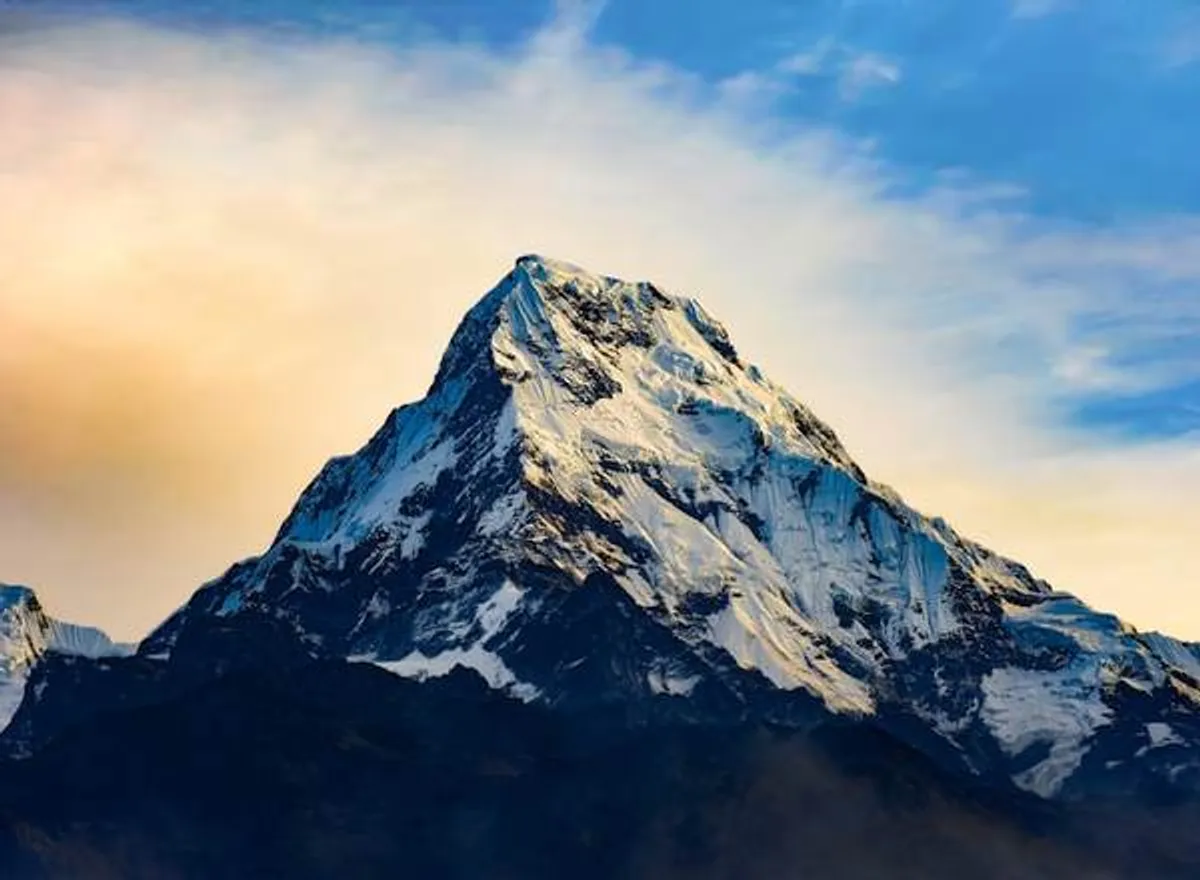
Photo: Unknown (prototype asset) / project prototype
Best Time to Visit New Zealand: Season Guide for 2026
Queenstown skiing in August, Milford Sound year-round, the Coromandel in summer — this region-by-region guide covers the best months to visit New Zealand in 2026.
The Short Answer
- Best overall: December to February (New Zealand summer) — warmest, longest days, beaches accessible
- Best for fewer crowds: March to May and September to November (shoulder seasons)
- Best for skiing: July to September (New Zealand’s ski season, particularly good in 2026 after high snowfall)
- Best for Milford Sound: Year-round, but summer (November–April) for longest days and best weather odds
New Zealand’s Seasons Explained
New Zealand sits in the Southern Hemisphere — its seasons are reversed from the Northern Hemisphere. Summer runs December to February; winter runs June to August. The country spans from subtropical Auckland (latitude 37°S) to the sub-Antarctic approaches of Stewart Island (latitude 47°S), creating significant regional variation.
Key planning point: New Zealand’s summer coincides with the Christmas–New Year period, which is when domestic travel peaks. Book accommodation 8–12 weeks ahead for popular South Island destinations in December and January.
By Region and Activity
Auckland and the North Island
Best: November to April (summer — warm, humidity manageable, Coromandel beaches excellent)
Auckland has a mild subtropical climate: warm summers (23–27°C) and mild winters (12–16°C). The Bay of Islands to the north is best November–March; the Coromandel Peninsula’s Cathedral Cove is best December–February (the walking track is closed in bad weather).
Waiheke Island: Year-round for wine (harvest is March–April); beaches are best November–March.
Wellington
Wellington (“Windy Wellington”) is worth visiting year-round for its culture, but March–May and September–November offer the best balance of mild temperatures (14–18°C) and lower wind. The Wellington on a Plate food festival (August) and the Cuba Dupa festival (September) are worth planning around.
Queenstown and the Central Otago
Queenstown has two distinct peak seasons with a defined off-season:
Summer (December–March): Hiking, lake swimming (water reaches 18–20°C in January), bungee jumping, and adventure activities at their best. The Remarkables and Coronet Peak ski areas are closed.
Winter (June–September): Ski season. Coronet Peak opens late June; The Remarkables opens late June to early July. Queenstown transforms into a ski town — the après-ski scene at the bottom of the Gondola is one of the Southern Hemisphere’s best winter party settings.
Best all-round month for Queenstown: March — summer warmth, autumn colors on the surrounding poplars, significantly fewer tourists than January, and hiking conditions are excellent before the mountain weather closes in.
Milford Sound (Piopiotahi)
Milford Sound is open year-round and genuinely different in every season:
- Summer (November–April): Longest daylight hours (9+ hours in December), best weather probability, but highest visitor numbers
- Winter (May–October): Fewer tourists, waterfalls at maximum volume after rain, dramatic cloud effects, and the occasional fresh snowfall on the surrounding peaks enhancing the alpine drama
Rain is actually an advantage at Milford Sound — hundreds of temporary waterfalls appear on the cliff faces after rainfall, which occurs frequently. Visiting during “bad” weather often produces the most dramatic photographs.
The West Coast
The West Coast (Franz Josef and Fox glaciers, Hokitika Gorge, Pancake Rocks) receives the highest rainfall in New Zealand (over 5 meters annually at some locations). The practical implication: glacier helicopter flights can be cancelled at any time due to weather. The best months for maximizing flight availability are January–March; winter (June–August) has more frequent cancellations.
Month-by-Month Summary
| Month | Season | Temperature (Queenstown) | Tourist Density | Notes |
|---|---|---|---|---|
| December | Summer | 18–25°C | Very High | Christmas–New Year crowds peak |
| January | Summer | 18–26°C | Very High | Domestic peak, beaches at best |
| February | Late Summer | 17–24°C | High | Excellent weather, crowds easing |
| March | Autumn | 12–20°C | Medium | Best month overall |
| April | Autumn | 8–15°C | Low | Beautiful colors, quiet |
| May | Winter start | 4–12°C | Low | Pre-ski quiet |
| June–August | Winter | –2 to 8°C | Medium (ski) | Ski season |
| September | Late Winter | 2–12°C | Medium | Ski winding down, spring hints |
| October | Spring | 7–16°C | Medium | Shoulder, good for hiking |
| November | Spring | 10–19°C | Medium-High | Pre-peak, excellent conditions |
FAQ
Is it possible to visit both the North and South Islands in one trip? Yes — the Interislander ferry (Wellington to Picton, 3.5 hours) or the Bluebridge ferry is a scenic crossing, especially when the Cook Strait is calm. Most visitors on 10–14 day trips spend 3–4 days in Auckland and the north, travel by plane or ferry to Queenstown, and road-trip the South Island.
What is the freedom camping situation? New Zealand has extensive freedom camping infrastructure — self-contained vehicles (certified as not requiring external facilities) can camp at designated freedom camping sites for free. Non-self-contained camping is restricted to DOC campgrounds (cheap, well-located). Check the Land Information New Zealand (LINZ) campervan regulations before renting — the rules have tightened since 2019.
Is New Zealand expensive? Yes — New Zealand is comparable to Australia in cost. Budget travelers on working holidays can manage NZD 80/day; mid-range travelers should expect NZD 200–300/day including accommodation, food, and activities. The major expenses are car rental (NZD 50–80/day for a reliable vehicle), accommodation (NZD 150–300/night for hotels), and activities (bungee, skydive, glacier flights add up quickly).
What wildlife can I see in New Zealand? Kiwi (nocturnal, requires a dedicated nighttime experience at a sanctuary), kea (alpine parrot, found around Arthur’s Pass and ski areas), tuatara (reptile, unique in the world, found on several sanctuary islands and at wildlife parks), Hector’s dolphins (Kaikōura), sperm whales (Kaikōura), and yellow-eyed penguins (Otago Peninsula, Oamaru, Catlins). New Zealand has no native land predators (no snakes, no dangerous insects) — all the dangerous wildlife is in the ocean.