
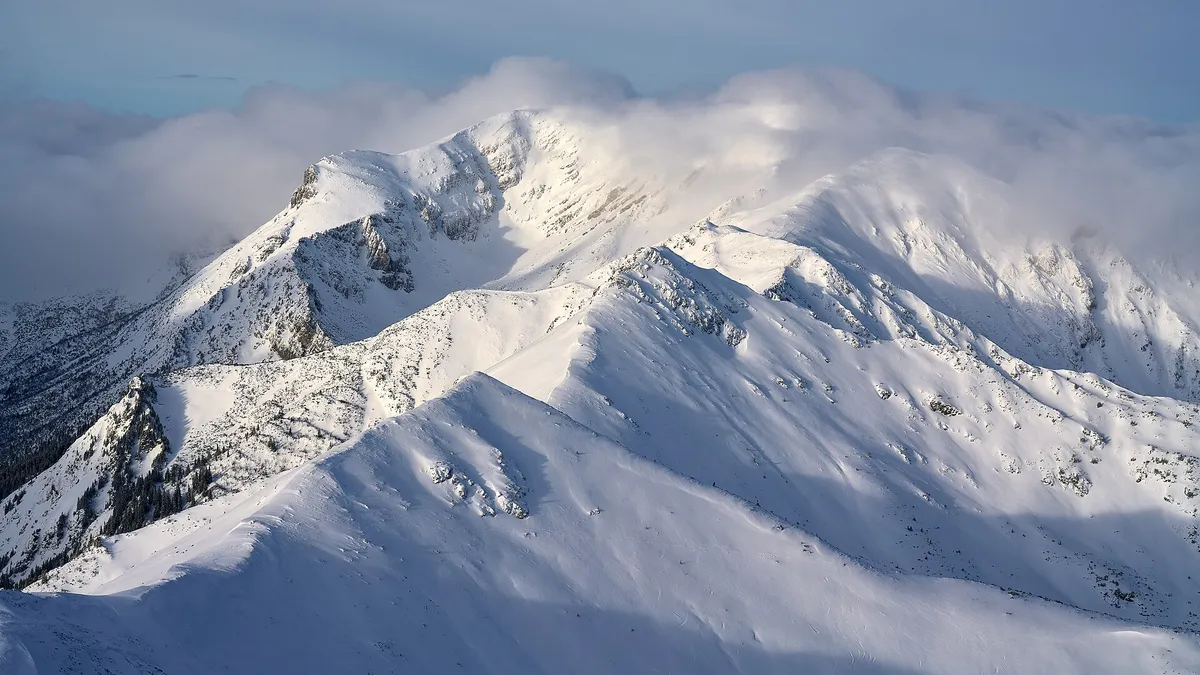
Photo: Radek Kucharski / Wikimedia Commons
Where to Stay in Zakopane: Best Areas & Hotels (2026)
Krupówki for the mountain town buzz, Gubałówka hill access for views, Kuźnice for ski lift proximity — find the best Zakopane base for summer and winter in this 2026 guide.
TL;DR
- Best for atmosphere: Krupówki area (main pedestrian street) — restaurants, shops, mountain atmosphere
- Best for ski access: Kuźnice area — closest to the main Kasprowy Wierch cable car
- Best for views: Near Gubałówka — funicular access to panoramic Tatra ridge views
- Best budget: Guesthouses (pensjonaty) throughout the town — excellent value
- When to book: December–February ski season and July–August fill fast; book 5–6 weeks ahead
Best Areas to Stay in Zakopane
Zakopane is Poland’s mountain capital — a small town (30,000 permanent residents, 3 million annual visitors) in the Tatra Mountains on the Slovak border, serving as both Poland’s top ski resort and its primary summer hiking base. The town itself is architecturally distinctive, with the Zakopane style (gingerbread wooden villas and chalets developed by architect Stanisław Witkiewicz in the late 19th century) giving streets a fairy-tale character. The Tatras behind the town include Poland’s highest peak (Rysy, 2,499 m) and some of Central Europe’s best hiking.
| Area | Vibe | Price Range | Best For |
|---|---|---|---|
| Krupówki / Town Center | Lively, touristy | €35–200/night | Most visitors, restaurants |
| Kuźnice Area (south) | Ski access, quiet | €45–200/night | Skiers, summer hikers |
| Gubałówka Side (north) | Views, funicular | €40–160/night | Panoramic views, families |
| Outer Neighborhoods | Authentic, budget | €30–120/night | Budget, local feel |
Krupówki Area — Zakopane’s Mountain High Street
Krupówki is the pedestrianized main street of Zakopane — 800 meters of restaurants, ski gear shops, souvenir stalls selling oscypek (smoked sheep’s cheese), and street food including the town’s famous fried sheep’s cheese. It’s the beating heart of Zakopane tourism: lively in the evenings, accessible to everything, and the place where the town’s social life concentrates. Most of the town’s hotel concentration is within 5–10 minutes’ walk of Krupówki.
Who it’s for: First-time visitors, those on weekend breaks, families, and anyone who wants maximum restaurant and activity access.
Price range: Budget pensjonaty (guest houses) from €35/night; mid-range hotels €60–130/night; upscale options €100–200/night.
The Hotel Kasprowy is one of Zakopane’s most established larger hotels — central, full-service, with spa facilities at €90–180/night. The Hotel Belvedere offers mountain views and good facilities at €100–180/night. However, Zakopane is famously a pensjonat (guesthouse) town — dozens of family-run wooden guest houses offer excellent accommodation at €40–80/night and often represent the best value in the area.
Kuźnice — Gateway to the High Tatras
Kuźnice is a small district at the southern edge of Zakopane, at the foot of the Kasprowy Wierch cable car (the main route to the high Tatra ridge) and several major hiking trail heads. Staying here saves the 2 km taxi or tram ride from the center to the mountains — relevant if you’re rising early for the cable car queue or starting long hikes.
Who it’s for: Serious hikers, skiers who want slope access without center noise, and those who prioritize getting into the mountains over Krupówki evening life.
Price range: €45–200/night; a mix of guesthouses and ski hotels.
Several mid-range ski hotels and guesthouses near Kuźnice offer good value at €55–100/night. The atmosphere is quieter than the center but genuinely beautiful — you walk out the door directly onto forest paths leading to the high Tatras.
Gubałówka Side — Panoramic Views
Gubałówka is a 1,120m ridge immediately north of Zakopane, accessible by funicular (€8 return, 3-minute ride) — offering the best panoramic view of the Tatra massif from above the town. The ridge itself has restaurants, souvenir stalls, and walking paths. Guesthouses on the northern side of town near the funicular station offer views over the town and toward the mountains.
Who it’s for: Families who want a view-oriented experience, first-timers wanting the classic Zakopane panorama, and those less focused on serious hiking.
Price range: €40–160/night; mostly guesthouses and smaller hotels.
How to Book
Zakopane has two distinct peak seasons: winter ski season (December 20 – February 28), particularly the Christmas–New Year period and February school holidays; and summer hiking season (July–August). Both fill 5–6 weeks ahead for good properties. The spring (April–May) and autumn (September–October) shoulders offer excellent conditions — spring skiing or autumn colors — with 30–40% lower prices and no crowds.
Getting to Zakopane: Regular buses (PKS, FlixBus) from Kraków take 1.5–2 hours (€5–8). There’s no train station in Zakopane itself; the nearest is in Nowy Sącz. Minibus shares from Kraków (the Zakopane bus) are the fastest option.
FAQ
Is Zakopane good for skiing? Yes, though with caveats — the Tatras offer genuine alpine skiing at Kasprowy Wierch (slopes to 1,987m, good ski runs) and Polana Szymoszkowa, but they’re smaller than Austrian or French resorts. The infrastructure has improved significantly over the past decade. Skiing in Zakopane is best in January and February; snow reliability in December and March is weather-dependent.
What are the best hikes from Zakopane? Morskie Oko (the Sea Eye lake, 4 hours return from Palenica Białczańska — most popular, genuinely beautiful), Rysy (2,499m summit, 8–10 hours, the hardest common route), the Orla Perć ridge traverse (high-alpine, fixed chains, only for experienced hikers), and the Dolina Chochołowska valley walk (easier, 3–4 hours, excellent in spring).
What is oscypek and where should I try it? Oscypek is a smoked, salted cheese made from sheep’s milk in the Tatra region — a protected geographical indication product unique to the area. The best way to try it is from shepherd stalls (baca stalls) throughout the mountains or from the vendors on Krupówki. Grilled oscypek with cranberry jam is the classic preparation.
How many days should I spend in Zakopane? Two days is the minimum to experience the town and one major hike or ski day. Three to four days allows more hiking options, a Morskie Oko trip, and the broader exploration of the Tatra valleys. In winter, 3–4 days suits a proper ski trip; in summer, hikers often stay a week or more.