
Photo: Unknown (prototype asset) / project prototype
Tokyo vs Kyoto: Which Japanese City Should You Visit? 2026 Honest Comparison
Tokyo vs Kyoto for 2026 — Shibuya crossing versus Gion temples, ramen and sushi in Shinjuku versus kaiseki in Nishiki Market, and which Japanese city is right for a first visit or return trip.
Tokyo vs Kyoto: The Essential Comparison
Tokyo and Kyoto are separated by 450km and a 2-hour Shinkansen ride, yet they represent the two poles of Japanese civilization — the restlessly modern and the reverently traditional. They’re different enough that the real question isn’t “which is better” but “what are you looking for?” Both are mandatory on any serious Japan itinerary.
The Character of Each City
Tokyo: The World’s Greatest City
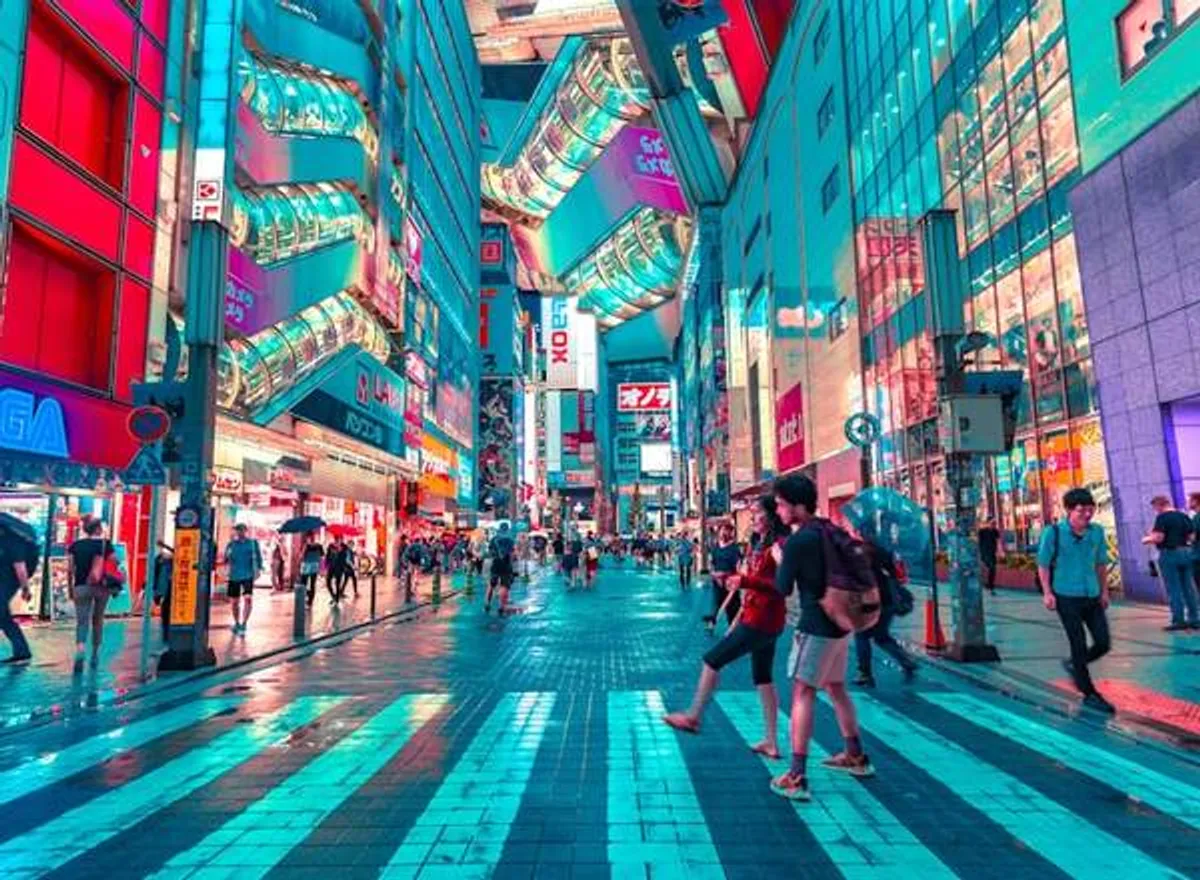
Tokyo (population 37 million in the greater metropolitan area) is the largest city ever built by human beings — and it works. The subway system (13 lines, 280 stations, 99.9% on-time reliability) moves more people per day than any rail network in the world. The variety of experience within Tokyo — from the neon-soaked electronics market of Akihabara to the temple-and-cemetery atmosphere of Yanaka, from the designer boutiques of Omotesando to the working-class fish market atmosphere of Tsukiji Outer Market — is inexhaustible.
Tokyo’s defining quality: The constant productive tension between hypermodernity and deep Japanese tradition. A 7-Eleven in Tokyo sells fresh onigiri, carefully cut seasonal sashimi, and traditional wagashi sweets alongside global convenience products. The vending machine on a quiet street in a residential neighborhood will sell hot canned corn soup, cold green tea, and rare regional sake. Every layer of Japanese culture coexists.
Kyoto: The Soul of Japan
Kyoto was Japan’s capital for 1,000 years (794–1869) and contains the accumulated cultural heritage of that millennium. 17 UNESCO World Heritage sites within a single city. The geisha culture (maiko and geiko) survives in Gion as a living tradition, not a tourist performance. The Zen Buddhist garden tradition — Ryoanji’s 15 stones in raked gravel, Saihoji’s moss garden — is the most sophisticated outdoor art in the world.
Kyoto’s defining quality: The sense that the aesthetic tradition of Japan is still here, still understood, still practiced. The Nishiki Market cooks selling seasonal tsukemono pickles from recipes unchanged for 300 years. The lacquer workshops in the eastern hills. The way the mountains enclose the city and the seasonal vegetation determines the palette of the landscape.
The Food
Tokyo: The Greatest Food City on Earth
Tokyo has more Michelin stars than any city in the world (200+ at last count, including the highest concentration of 3-star restaurants globally). But the reason food travelers go to Tokyo isn’t the Michelin stars — it’s the neighborhood ramen shops, the standing sushi bars, and the basement food halls (depachika) of the department stores.
Non-negotiable Tokyo food:
- Sushi at Tsukiji Outer Market (Tsukiji station): The inner tuna auction moved to Toyosu, but the outer market’s restaurant strip (Sushizanmai, Daiwa Sushi, Sushi Dai) still serves the finest tuna breakfast counter experience in Tokyo. Queue begins forming at 6am.
- Ramen: Tokyo’s ramen (shoyu — soy sauce-based, lighter broth) is distinct from regional variations; Fuunji in Shinjuku (tsukemen — dipping noodles) or Ichiran (private booth solo ramen) are both excellent
- The Depachika (basement food hall of Isetan Shinjuku, Mitsukoshi Ginza): The finest concentrated food retail in the world — 200+ stalls selling regional Japanese specialties, imported cheeses, fresh wagashi, bento boxes assembled to order
Kyoto: Kaiseki and Nishiki
Kyoto’s cuisine is based on kaiseki — the multi-course seasonal meal developed from the tea ceremony tradition. Each course uses seasonal ingredients (shun) prepared in ways that express the season and the philosophy of restraint. Kyoto kaiseki is the most refined food tradition in Japan.
Non-negotiable Kyoto food:
- Nishiki Market (Nishiki-koji, “Kyoto’s Kitchen,” 5 blocks of 130 stalls): Dried seafood, sesame tofu, pickled vegetables (tsukemono), nama-fu (wheat gluten in traditional shapes), and the vendors who’ve been selling the same products for generations
- Tofu cuisine: Kyoto’s Buddhist temple cooking (shojin ryori) tradition means the finest tofu in Japan — Kyoto soft tofu (silken tofu) from Tofu Café Fujino has no equivalent elsewhere
- Uji matcha: The matcha-producing town 20 min from Kyoto; Tsujiri is the most traditional tea house
Temples and Shrines
Tokyo’s Sacred Spaces
Tokyo has significant temples and shrines, but they exist in tension with urban development:
- Senso-ji (Asakusa): Tokyo’s most visited temple — the Nakamise-dori shopping street and the giant red lantern; extremely crowded
- Meiji Jingu (Harajuku): The most important Shinto shrine in Tokyo, surrounded by 70 hectares of forested garden donated after Emperor Meiji’s death (1912)
- Yanaka Cemetery and District: The area of Tokyo least changed by WWII and post-war development; the cemetery’s cherry trees and the temple-lined streets are closest to old Edo
Kyoto’s Sacred Landscape
17 UNESCO sites; the largest concentration of historic structures in Japan:
- Fushimi Inari Taisha: 10,000 vermilion torii gates winding 4km up the mountain; the most photographed shrine in Japan
- Kinkakuji (Golden Pavilion): The gold-leaf covered pavilion reflected in the pond — Kyoto’s most recognizable image
- Ryoanji: The 15 stones in raked gravel; a philosophical puzzle that cannot be solved (only 14 are visible from any one position)
- Arashiyama: The bamboo grove, the Tenryuji UNESCO garden, and the Togetsukyo bridge over the Oi River — the most atmospheric landscape in Kyoto
Which Should You Visit?
First visit to Japan: Tokyo first (3–4 days), then Kyoto (3–4 days). The Shinkansen between them is an experience in itself. This is the definitive first-Japan itinerary.
Short trip (5–6 days): Split evenly, or prioritize based on interest — urban energy (Tokyo) vs traditional culture (Kyoto).
Return visitor: Kyoto repays depth. Return visitors who go slower (day trips to Nara, Osaka, and Arashiyama; early morning temple visits before crowds; a Gion evening stroll) find the city opens up.
Only one city: Go to Tokyo. The scale and variety mean you can access more of Japan’s range in a single city, and the temples and shrines that survive are still extraordinary. But go to Kyoto eventually — it’s irreplaceable.