
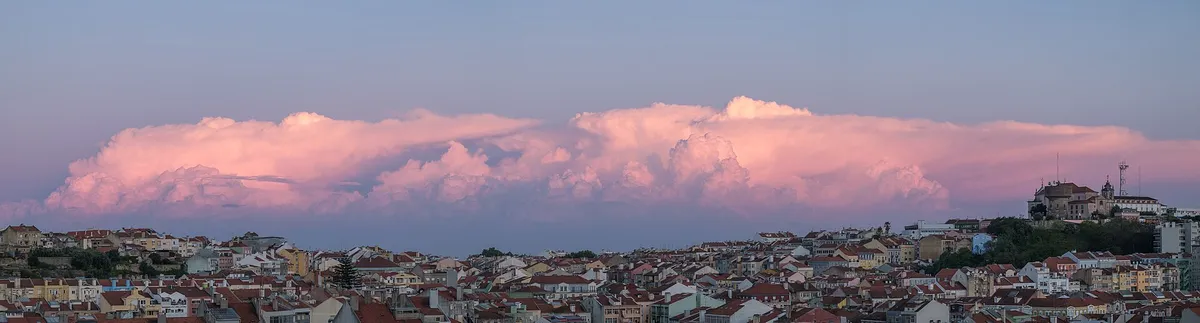
Photo: Jules Verne Times Two / Wikimedia Commons
Solo Female Travel in Europe: Safety, Hotels & the Best Destinations (2026)
Lisbon's safe walkability, Vienna's world-class public transport, and Amsterdam's cycling infrastructure — the safest and most rewarding solo female travel destinations in Europe for 2026, with specific hotel picks.
Solo Female Travel in Europe: The Real Picture
Europe is genuinely one of the world’s safest regions for solo female travel — the combination of the rule of law infrastructure, the well-lit and populated cities (most major European cities have active streets well into the night), the excellent public transport systems, and the established solo travel culture make it the most accessible starting point for independent female travelers.
The honest caveat: safety varies significantly within Europe. Lisbon and Vienna are categorically different experiences from Istanbul or Naples, and even within cities, neighborhood matters. This guide provides specific, practical information rather than general reassurance.
The Safest European Destinations for Solo Women
1. Lisbon, Portugal — The Top Recommendation
Lisbon is consistently ranked Europe’s safest capital for solo female travelers — the combination of the city’s walkability (the historic Alfama, Mouraria, and Chiado neighborhoods are all walkable), the excellent metro and bus network, the warm and non-aggressive street culture (the Portuguese are notably reserved by Southern European standards — the catcalling culture that affects some Mediterranean cities is minimal), and the extraordinary café culture (the Portuguese pastelaria as a solo travel resource — you can sit alone at a table with a coffee and a book for as long as you wish, always welcome, never pressured).
Practical Lisbon:
- Walk everywhere in the Alfama, Bairro Alto, Chiado, and Belém during the day
- The Mouraria neighborhood (the former Moorish quarter, above the Alfama) is safe in daylight; take care after midnight
- The Bairro Alto is concentrated with bars and is lively and safe until 02:00–03:00 — the street culture is social rather than aggressive
Best solo hotels in Lisbon:
- Memmo Alfama (the extraordinary terrace hotel overlooking the Alfama — small scale, personal service, excellent communal terrace for meeting other solo travelers, €150–350/night)
- The Late Birds Lisbon (excellent-value boutique with rooftop, Príncipe Real neighborhood, €80–180/night)
- Generator Lisbon (the design hostel in the Mouraria area — private rooms and dorms, excellent communal spaces, specifically good for solo traveler social connections, €30–90/night)
2. Vienna, Austria — The Safest City in Europe
Vienna consistently ranks #1 in the Economist Intelligence Unit’s Global Liveability Index and in various personal safety surveys — the extraordinary public transport (the U-Bahn metro operates 24 hours on weekends, the tram and bus network is comprehensive, and night buses replace the U-Bahn on weekdays), the well-lit streets, and the extremely low violent crime rate.
The Vienna Museum Quarter (MuseumsQuartier): The most enjoyable solo travel afternoon in Vienna — the extraordinary complex of museums (Kunsthistorisches Museum with the Vermeer and Bruegel collections; Leopold Museum with the world’s largest Egon Schiele collection; MUMOK with the contemporary art), the courtyard (a social hub where Viennese people read, meet, and picnic), and the excellent cafés and bars.
Coffeehouse culture for solo travelers: Vienna’s historic coffeehouses (Café Central, Café Schwarzenberg, Café Hawelka) have a centuries-long tradition of solo sitting — a coffee entitles you to sit as long as you like, newspapers provided, WiFi available. The Vienna coffeehouse is the world’s finest single-woman-solo-sitting institution; no other city has normalized the practice so completely.
3. Amsterdam, Netherlands — Cycling Freedom
Amsterdam is extraordinary for solo female travel specifically because of the cycling infrastructure — renting a bicycle (€12–18/day from MacBike or Star Bikes) gives you complete city independence, the safest possible late-night transport (cycling in Amsterdam at 23:00 is safe and extremely normal — thousands of Amsterdammers cycle at all hours), and the most enjoyable transport experience in Europe.
Practical Amsterdam:
- The Red Light District (De Wallen) is safe to walk through and is primarily a tourist attraction in the evenings — not dangerous but very busy; keep belongings secured
- The Jordaan neighborhood (the most charming neighborhood in Amsterdam, with the finest independent shops and cafés) is entirely safe at all hours
- The Vondelpark (Amsterdam’s central park) is safe for daytime reading and cycling; avoid after midnight
Best solo hotels in Amsterdam:
- Hoxton Amsterdam (the design hotel in the Herengracht canal house, excellent communal spaces, excellent breakfast, €150–350/night)
- Volkshotel (the design hotel in a former newspaper office in the creative east Amsterdam, excellent rooftop bar, pool, excellent solo traveler community, €80–200/night)
- Flying Pig Uptown Hostel (the most respected hostel in Amsterdam for solo female travelers — the private rooms and female dorms are clean and well-maintained, the communal kitchen and social events make it excellent for meeting other travelers, €25–80/night)
4. Copenhagen, Denmark
Copenhagen is extremely safe for solo women — the extraordinary combination of the Danish social culture (the Janteloven — the cultural concept of not drawing attention to yourself creates a public behavior norm that is specifically non-threatening), the excellent cycling infrastructure (comparable to Amsterdam), and the extraordinary cleanliness and organization.
Practical note: Copenhagen is expensive. Budget hotel rooms start at €100–150/night, and a restaurant dinner rarely comes under €30/person. The best budget strategy: buy groceries at Netto or Aldi (Danish supermarkets are excellent quality), cook in hostel kitchens, and save dining budget for one special meal (Relæ or Bror).
5. Prague, Czech Republic — Value and Safety
Prague is one of the safest Eastern European capitals for solo female travel — the extraordinary historic center, the excellent public transport, and the very low violent crime rate, combined with prices 30–40% below Western Europe.
Caution: Prague’s nightlife area (Wenceslas Square and surrounding streets) has a significant tourist-oriented nightlife industry that produces harassment; avoid this area late at night. The Malá Strana, Vinohrady, and Žižkov neighborhoods are calm and safe at all hours.
Practical Solo Travel Safety
Hotels for Solo Women
What to look for:
- 24-hour front desk (provides security and someone to ask for help)
- Electronic key card lock (deadbolt lock on room door as a secondary check)
- Recommended by solo female travel communities (The Solo Female Traveler Network, Solo Female Traveler Summit recommendations)
- Communal spaces (for meeting other travelers, reducing the sense of isolation)
Female-only hostel dorms: Available in most major European hostels — specifically useful for travelers combining budget travel with wanting a women-only sleeping environment. Safest major European hostel chains (all with female-only dorm options): Generator, HI (Hostelling International), St Christopher’s.
Transport Safety
What’s safe:
- Metro/subway at all hours in Lisbon, Vienna, Amsterdam, Copenhagen, Stockholm
- Taxis booked through apps (Bolt, Uber, FreeNow) throughout Europe — app-based taxis are safer than hailed cabs (the driver is identified and traceable)
- Cycling in Amsterdam, Copenhagen, and most city centers
What to be aware of:
- Avoid empty train carriages late at night — move to the carriage nearest the driver or nearest other passengers
- For return journeys after 23:00 in cities where you are uncertain of the route: use an app-based taxi rather than unfamiliar public transport
Communication and Connection
The specific solo travel loneliness management toolkit:
- Hostel communal spaces (even if staying in a hostel private room, the hostel bar/kitchen is the most efficient place to meet other solo travelers)
- Walking tours (free walking tours in most European capitals — the tip-based tours that begin at obvious tourist meeting points — are used almost exclusively by solo travelers and provide instant social contact)
- Workaway/Couchsurfing meetings (the Couchsurfing Hangouts feature — not couch surfing itself — organizes city meetups, typically free-to-attend bars, that attract both locals and travelers)
- Language classes (a 2-hour conversational language class in the local language provides both cultural engagement and social contact)
FAQ
Which European country is safest for solo female travel? Iceland is statistically the world’s safest country for women (the Global Peace Index and World Economic Forum Gender Gap Index both rank Iceland #1 consistently). In mainland Europe: the Nordic countries (Denmark, Norway, Sweden, Finland), the Netherlands, and Portugal consistently rank at the top for both personal safety and gender equality.
What are the most common safety risks in Europe? Pickpocketing is the most common risk (particularly: Barcelona’s Las Ramblas, Rome’s Colosseum queue, Paris’s Eiffel Tower area, Prague’s tourist center) — use a crossbody bag worn in front, carry phones in front pockets, and be aware in crowded tourist areas. Drink spiking is a documented risk in nightlife areas across Europe — don’t accept drinks from strangers, cover your drink, and go to a bar with friends rather than accepting help from unknown men.
Is solo female travel in Southern Europe safe? Yes overall, with specific area awareness — the general rule is that the tourist areas in major Southern European cities are safe; the outlying neighborhoods and the rural areas require more normal caution. The specific “catcalling” culture that is more prevalent in southern Italy, Greece, and Turkey is annoying but rarely dangerous. Dressing modestly (covering shoulders and knees in conservative neighborhoods and religious sites) reduces unwanted attention in these regions.