
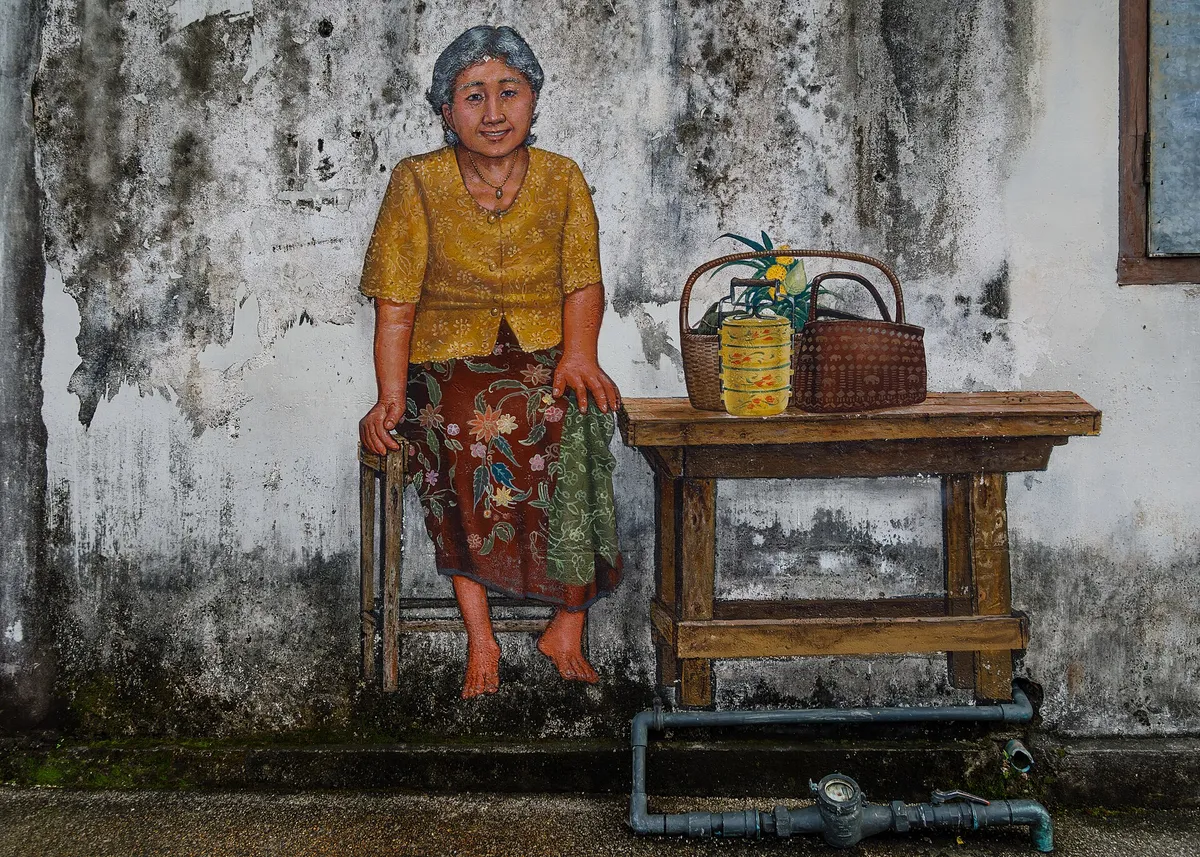
Photo: CEphoto, Uwe Aranas / Wikimedia Commons
Phuket Travel Guide: Beaches, Culture & Hidden Gems
Everything you need to know about visiting Phuket, Thailand — from Patong's nightlife to Phi Phi Islands, street food, and the best beaches by area.
Phuket is Thailand’s largest island and one of Southeast Asia’s most visited destinations — and for good reason. Turquoise waters, powder-white beaches, a vibrant food scene, and easy access to world-class diving make it a place people return to year after year. But Phuket is also larger and more varied than most visitors expect. Choosing the right base makes all the difference.
Choosing Your Beach: Patong vs Kata vs Kamala
Patong is the beating heart of Phuket tourism. Bangla Road comes alive after dark with clubs, bars, and neon lights. The beach is long and swimmable, but it’s packed. If you want nightlife and convenience, Patong is your best option. If you want peace and quiet, it is probably your worst.
Kata Beach sits about 20 minutes south of Patong and strikes a better balance. The beach is beautiful, the surf is decent (it’s a good spot for beginner lessons November through April), and the surrounding streets have a relaxed restaurant-and-cafe vibe. Families and couples tend to gravitate here.
Kamala Beach is quieter still — a crescent of sand favored by expats and repeat visitors who have grown tired of the noise. It has fewer tourist traps, better-value restaurants, and Café del Mar Phuket if you want a stylish beach club without the Patong chaos. Surin Beach, just north of Kamala, is similar in tone and home to some upscale hotels.
Rawai and Nai Harn in the south are more residential but have genuinely beautiful scenery and easy access to Promthep Cape for sunsets.
Phi Phi Islands Day Trip
The Phi Phi Islands are the most photographed spots in southern Thailand and absolutely worth a day trip — though they are also extremely crowded. Book an early morning speedboat departure (6:30–7:00 AM) to reach Maya Bay and Monkey Beach before the tour boat armada arrives. The crystal-clear water and towering limestone cliffs look exactly like the photos.
Ko Phi Phi Don (the inhabited island) has restaurants, bars, and bungalows if you want to stay overnight. Koh Lanta is an often-overlooked alternative for a longer escape from Phuket crowds.
Big Buddha and Phuket Old Town
The Big Buddha on Nakkerd Hill is visible from much of southern Phuket. The 45-meter marble statue sits above a temple complex and offers sweeping views over both the east and west coasts. Dress modestly (sarongs are available at the entrance) and go early morning or late afternoon to avoid heat and tour groups.
Phuket Old Town in Phuket City often gets skipped, which is a mistake. The Sino-Portuguese shophouses painted in pastels, the Chinese shrines, and the local market streets feel entirely different from the beach strip. The Sunday Walking Street on Thalang Road is one of the best night markets in Thailand for food, crafts, and people-watching. Eat at local noodle shops and dim sum spots — prices here are a fraction of what you’d pay in Patong.
Thai Street Food in Phuket
Street food in Phuket rewards exploration. Look for:
- Pad krapow (basil stir-fry with fried egg) at any market stall
- Tom yum goong (spicy prawn soup) — order from local restaurants, not tourist menus
- Mango sticky rice as a dessert staple
- Satay skewers grilled over charcoal along night market walkways
- Khao man gai (poached chicken and rice) for a light, affordable lunch
The Malin Plaza Patong market and Old Town’s weekend markets are the best hunting grounds. A full meal costs 60–120 THB ($2–$3.50) at a street stall.
Songkran Festival
If you visit in mid-April, you’ll encounter Songkran — Thailand’s New Year water festival. Phuket, especially Bangla Road, turns into a full-scale water fight lasting several days. It’s chaotic, wet, and genuinely fun. Protect electronics in waterproof bags and embrace it.
Best Time to Visit Phuket
November to April is the dry season on Phuket’s west coast. Skies are clear, seas are calm, visibility for snorkeling and diving is excellent, and temperatures hover around 28–32°C. December and January are peak season — expect higher prices and fuller beaches.
May to October is monsoon season on the west coast. The Andaman Sea becomes rough, and red flags fly on many beaches. That said, this isn’t a write-off: the island is greener, prices drop significantly, and the east coast (near Koh Samui direction) is calmer. If budget matters more than beach weather, shoulder season (May or October) can work well.
Accommodation by Area
- Patong: Abundant supply from hostels to luxury resorts. Good value for mid-range options; book 2–3 months ahead for December–January.
- Kata / Karon: Family-friendly resorts, competitive pricing, walking distance to the beach.
- Kamala / Surin: Boutique hotels and upscale resorts like Trisara and Amanpuri. Higher price point, greater tranquility.
- Rawai: Cheaper guesthouses and longer-stay apartments; less convenient but very local.
- Phuket Old Town: A growing number of boutique heritage hotels in converted shophouses — great for culture travelers.
Getting Around Phuket
Phuket has no public transit system worth relying on. Your options:
- Songthaew (shared pickups with benches): Cheap but run fixed routes. Good for getting between beach areas.
- Tuk-tuk: Iconic but expensive for what you get. Always agree on the price before getting in.
- Scooter rental: The most practical option for independent travelers. Expect to pay 200–350 THB/day. An international driver’s license is technically required. Traffic accidents involving tourists are unfortunately common — ride defensively and always wear a helmet.
- Grab app: Thailand’s ride-hailing app works well in Phuket and eliminates fare haggling.
Budget Overview
- Budget: $30–50/day (hostel dorm, street food, local transport)
- Mid-range: $80–150/day (private room, restaurant meals, day trips)
- Luxury: $250+/day (private pool villa, spa, speedboat charters)
Phuket is not Thailand’s cheapest destination — the tourist economy has pushed prices up — but it remains excellent value compared to similar beach destinations in Europe or the Caribbean.
Final Tips
Book ferry tickets and day trips through your hotel or licensed agents rather than random street touts. Carry cash (THB) as many local vendors don’t take cards. Apply sunscreen heavily — the tropical sun is intense even on cloudy days. And if Phuket feels too busy, the nearby islands of Koh Yao Noi and Koh Yao Yai offer a quieter, more authentically Thai alternative just 30 minutes by longtail boat.