
Photo: Unknown (prototype asset) / project prototype
Best Hotels in New Zealand: Queenstown, Milford Sound & Waiheke Island (2026)
Matakauri Lodge's Queenstown lake-edge infinity view, Solitaire Lodge's volcanic Lake Tarawera island setting, and Eagles Nest's Bay of Islands clifftop villas — a guide to New Zealand's standout hotels for 2026.
New Zealand’s Luxury Lodge Tradition
New Zealand has built one of the more distinctive luxury wilderness lodge traditions anywhere. The typical “New Zealand lodge” is small — usually 8 to 15 suites — and all-inclusive, with meals and wine (Marlborough Sauvignon Blanc, Central Otago Pinot Noir) folded into the rate alongside guided activities such as heli-hiking, heli-skiing, kayaking, and fly-fishing with local guides. Many properties use helicopter transfers to reach genuinely remote sites with no road access.
What sets these lodges apart is less the amenity list than the tone: Kiwi hospitality tends to be informal and personal, without sacrificing attention to detail, which gives the wilderness-lodge format here a warmth that’s harder to find elsewhere.
Queenstown and Central Otago
Matakauri Lodge — Lake Wakatipu
Price: NZ$2,500–6,000/night (€1,400–3,350) | Location: 569 Glenorchy Road, Queenstown
Matakauri Lodge sits directly on Lake Wakatipu with the Remarkables mountain range as backdrop, and keeps things intimate at just 11 rooms. Its infinity pool runs to the lake’s edge — one of the most photographed hotel pool views in the country — looking out over the Z-shaped, 84km-long lake, which local legend attributes to a sleeping giant named Matau whose heartbeat causes the water to rise and fall roughly 5cm every five minutes. The Matakauri restaurant draws on Central Otago produce and regional Pinot Noir, and the lodge arranges heli-hiking on the Remarkables and jet boating on the Shotover River.
Blanket Bay — Lake Wakatipu South
Price: NZ$2,000–5,000/night (€1,120–2,800) | Location: Glenorchy Road, Lake Wakatipu
Blanket Bay sits at the dramatic southern end of Lake Wakatipu, in the Glenorchy area that doubled as Lothlórien, Ithilien, and Isengard in Peter Jackson’s Lord of the Rings trilogy — among the most recognizable film locations in the country. The main lodge building is hand-built from stone and timber, and guests have use of a private pebble beach right on the lake.
Rotorua and the Thermal Zone
Solitaire Lodge — Lake Tarawera Volcanic Island
Price: NZ$2,000–4,000/night (€1,120–2,240) | Location: Tarawera Landing Road, Lake Tarawera
Solitaire Lodge occupies a private peninsula on Lake Tarawera, formed by the catastrophic 1886 Tarawera eruption that buried the once-famous Pink and White Terraces overnight. With just 10 rooms, it’s among the more intimate lodges in the central North Island, reached by a private launch across the volcanic lake. Guests can access a natural geothermal pool right on the property, and both the Wai-O-Tapu thermal area and the Waimangu Volcanic Valley are within 30 minutes’ drive.
Bay of Islands — Northern Luxury
Eagles Nest — Pacific Clifftop Villas
Price: NZ$3,000–8,000/villa/night (€1,680–4,480) | Location: Tapeka Road, Russell, Bay of Islands
Eagles Nest comprises five individual villas spread across an 11-acre private clifftop above the Bay of Islands, a 144-island archipelago in Northland that is also historically significant as the site of the Waitangi Treaty Grounds, where the Treaty of Waitangi — New Zealand’s founding document — was signed in 1840.
Each villa is positioned for a 180-degree Pacific view and comes with its own private infinity pool. The property also runs one of the more thorough Māori cultural programs available at a New Zealand hotel, covering whakairo (carving), kapa haka (dance), and a traditional hangi earth-oven feast.
Milford Sound — Fiordland’s Signature Landscape
Milford Sound Lodge — Fiordland Access
Price: NZ$350–800/night (€195–450) | Location: Milford Sound, Fiordland
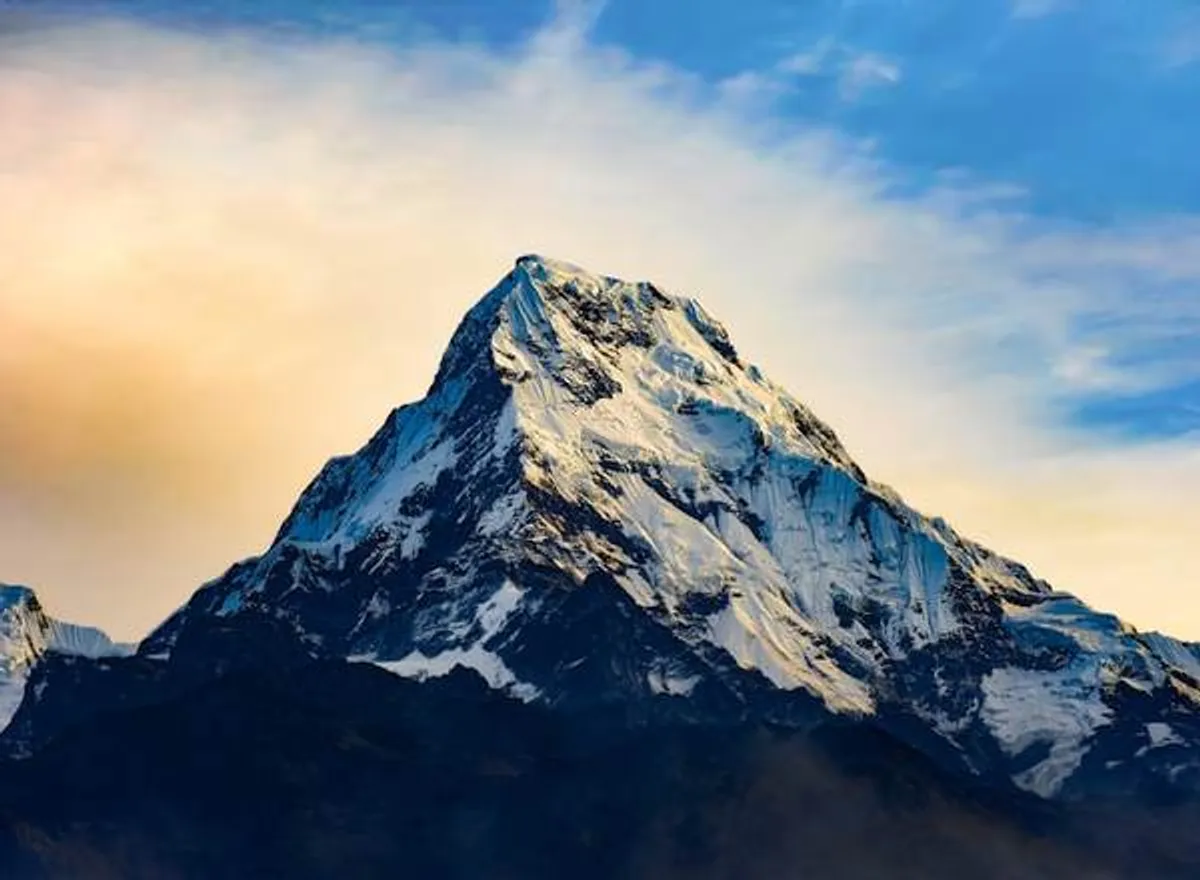
Milford Sound Lodge is the only accommodation actually inside Fiordland National Park at Milford Sound, giving guests a head start on Mitre Peak, the 1,692m summit that rises straight out of the sea and is one of the most photographed peaks in the country. The lodge runs a dawn kayak program on the fiord, timed to catch the mist and the waterfalls that appear after rain — and there’s plenty of rain to trigger them, with Milford Sound receiving 6,000–8,000mm annually, making it the wettest inhabited place in New Zealand.
New Zealand Wine Country Hotels
Marlborough and Central Otago
New Zealand’s two leading wine regions call for different bases.
Marlborough (Sauvignon Blanc capital): A Marlborough wine tour typically covers Cloudy Bay, Dog Point, and Fromm Winery — Cloudy Bay’s 1985 vintage is often credited with resetting global expectations of what Sauvignon Blanc could be. Blenheim, home to the Marlborough Wine Resort, makes a convenient base.
Central Otago (Pinot Noir): Carrick Winery, Felton Road — one of the Southern Hemisphere’s most respected Pinot Noir producers — and Amisfield, known for pairing its wine with dining that looks straight out at the Remarkables, are all easily reached from Queenstown lodges.
FAQ
Do I need a rental car in New Zealand? Yes, for most itineraries. Public transport is limited outside the main cities, and the South Island in particular is built around self-driving. New Zealand’s campervan culture — Maui and Britz are the two big rental operators — is the budget-friendly way to see the wilderness; the lodges above are the alternative for travelers who’d rather not camp.
Is Milford Sound worth the journey? Yes. The drive itself is part of the appeal: the 1,270m single-lane Homer Tunnel cuts through the mountains before the road descends into the Milford Sound valley and delivers your first view of Mitre Peak. Once there, the standard two-hour boat cruise runs out to the open Tasman Sea and back, typically with sightings of bottlenose dolphins, New Zealand fur seals, and Fiordland crested penguins.
When is the best time to visit New Zealand? October–April (summer) is hiking season — the Milford Track, often ranked among the world’s best multi-day walks, needs to be booked roughly six months ahead at NZ$1,000+ per person for the four-day Great Walk. Whale watching in Kaikōura runs year-round but pairs especially well with other North Island activities in these months, and daytime temperatures sit around 20–28°C. June–September (winter) is ski season, centered on Queenstown’s Coronet Peak and The Remarkables, among the more cosmopolitan ski fields in the Southern Hemisphere.