
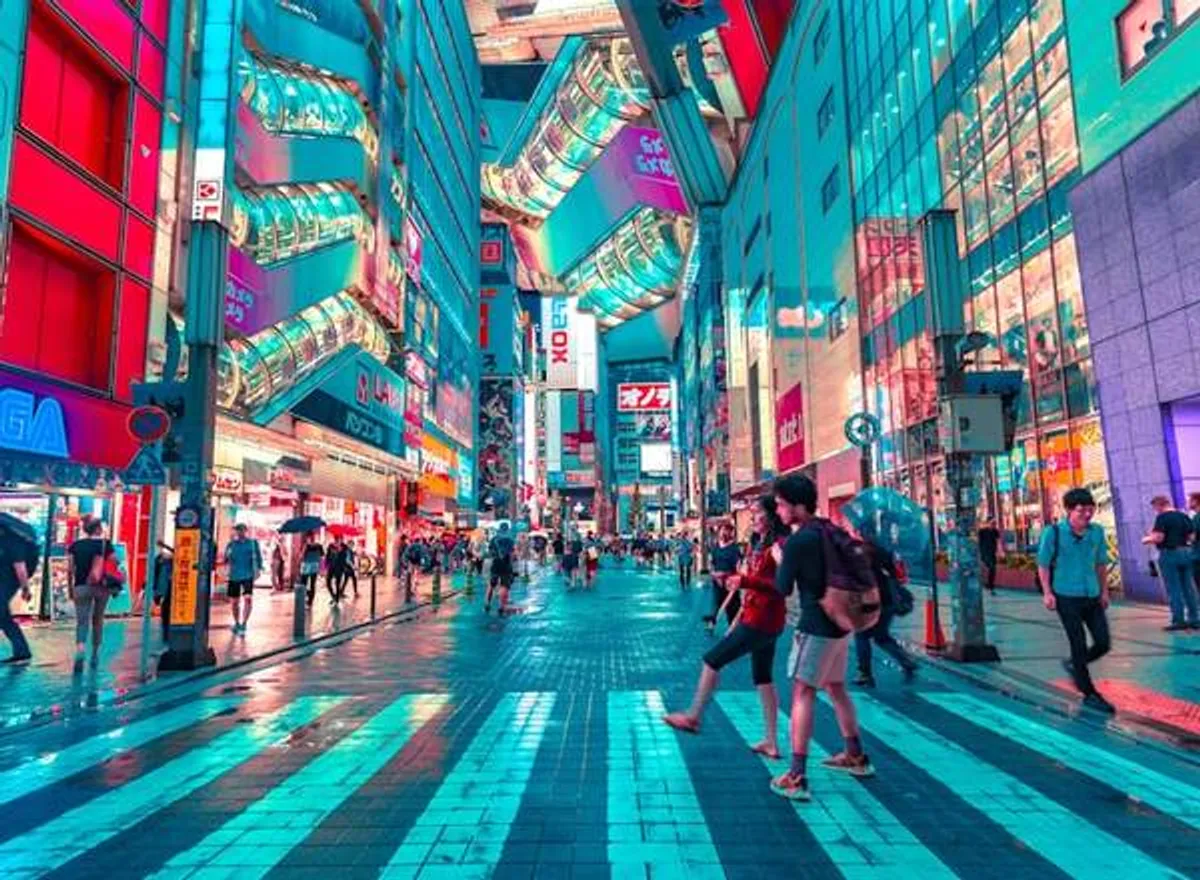
Photo: Unknown (prototype asset) / project prototype
Best Hotels in Tokyo 2026: Shinjuku, Ginza, Roppongi & Asakusa — Complete Guide
The best hotels in Tokyo for 2026 — the Park Hyatt Shinjuku and the Aman Tokyo for ultra-luxury, boutique ryokans in Yanaka and Asakusa, design hotels in Ginza, and the best options near teamLab and Shibuya.
Best Hotels in Tokyo 2026
Tokyo has the highest concentration of excellent hotels in Asia — the Japanese attention to service (omotenashi), the extraordinary range of neighborhood character, and the competition between international luxury brands and the traditional ryokan inn concept create a hotel landscape without equal in the region.
Ultra-Luxury
Aman Tokyo
Location: Otemachi Tower, 1-5-6 Otemachi, Chiyoda
Category: Ultra-luxury
Rooms: 84
The Aman brand’s Tokyo outpost in a tower above the Imperial Palace East Gardens is the finest hotel in Asia. The proportions are extraordinary — the 33rd-floor lobby has a 30m ceiling with traditional Japanese aesthetic translated into contemporary materials (washi paper lanterns, dark timber, stone). The Aman Spa (25m pool, traditional bathing rituals, onsen-heated baths with views of the Imperial Palace) justifies itself independently.
The rooms: The smallest room is 76 sqm; all rooms have views of either the Imperial Palace moat or the city. The bathing ritual (deep Japanese soaking tub) is the finest in-room bathing experience of any hotel in the world.
What makes it the best: The translation of Japanese minimalism into genuinely luxurious hospitality — the 2,000 thread-count linen, the Aman signature calm, and the specificity of the neighbourhood (Otemachi is the centre of Japanese corporate power; the area’s parks and the Imperial Palace East Garden are immediately accessible by foot).
Best for: Travelers for whom the most refined and quietly extraordinary hotel experience is worth the cost. Not ostentatious; superlative.
Park Hyatt Tokyo
Location: 3-7-1-2 Nishi-Shinjuku, Shinjuku
Category: Luxury (the Lost in Translation hotel)
Rooms: 177
The Park Hyatt Tokyo occupies floors 39–52 of the Shinjuku Park Tower — the hotel that defined Tokyo luxury for a generation and was immortalized in Sofia Coppola’s Lost in Translation (2003). Bill Murray’s singing at the New York Bar (52nd floor), Scarlett Johansson in the pool — the film established the Park Hyatt’s international reputation.
The New York Bar (52nd floor, 1,000 yen cover charge after 8pm for non-guests): The best hotel bar view in Tokyo — the Shinjuku skyline stretching to Mount Fuji on clear days, with live jazz from Wednesday–Saturday.
The peak facility: The 47th-floor pool (20m, with views over the city) and the spa are among the best in Tokyo. The Peak bar below the pool on the 41st floor.
The Tokyo Edition, Toranomon
Location: 4-1-1 Toranomon, Minato
Category: Lifestyle luxury
Rooms: 206
The Ian Schrager x Marriott brand’s most successful Asian property. The 31st-floor lobby bar (The Roof) is one of Tokyo’s best rooftop experiences. The gym is the best in any Tokyo hotel. Architecture by Kengo Kuma.
Boutique and Design Hotels
The Claska
Location: 1-3-18 Chuocho, Meguro
Category: Design boutique
Rooms: 20
The original design hotel in Tokyo — a 1970s Meguro business hotel reinvented in 2003 as a gallery-hotel with gallery spaces, retail (the Claska Gallery & Shop “DO” stocks the finest Japanese design objects), and individually designed rooms including two “Tatami” rooms (traditional Japanese flooring, futon sleeping).
Trunk Hotel Shibuya
Location: 5-31 Jingumae, Shibuya
Category: Lifestyle boutique
Rooms: 15
The smallest and most Tokyo-specific design hotel in the city — 15 rooms above the Shibuya neighborhood, each different, emphasizing Japanese crafts and natural materials. The rooftop bar is one of the best evening spots in Shibuya.
Ryokans: Traditional Japanese Inns
Hoshinoya Tokyo
Location: 1-9-1 Otemachi, Chiyoda (same building as Aman, different tower)
Category: Urban ryokan
Rooms: 84
The Hoshino resort group’s urban ryokan concept — a traditionally operated Japanese inn in a contemporary 17-story tower in central Tokyo. Remove shoes at reception; wear yukata (cotton kimono); sleep on futon; the multi-course kaiseki dinner uses Shizuoka wagyu and seasonal produce. The onsen bath on the rooftop.
What makes it unique: The genuine ryokan experience without traveling to the countryside — for those with only a few nights in Japan who want to understand the inn tradition.
Tokyo by Neighborhood
Shinjuku: Park Hyatt for luxury; affordable business hotels on the east side of the station for value. Proximity to Golden Gai (6 narrow alleys, 200+ tiny bars), Kabukicho, and Shinjuku Gyoen park.
Ginza: Tokyo’s luxury retail district (Gucci, Hermès, Chanel, the Itoya stationery building); best hotels: The Peninsula Tokyo and the Marunouchi Hotel nearby.
Roppongi: Contemporary art (Mori Art Museum on the 52nd floor of Roppongi Hills); nightlife; museums (21_21 Design Sight, National Art Center). Best hotels: Grand Hyatt Tokyo.
Asakusa: Old Tokyo atmosphere; the Senso-ji Temple; the most traditional restaurants in the city (Nakamise-dori shopping street, the tempura district). Best hotels: Asakusa Ryokan Kamogawa or the Asakusa Hotel Hatago.
FAQ
When should I book Tokyo hotels? For sakura season (late March–early April) and Golden Week (April 29–May 5): 6+ months ahead — these are the two most booked periods in Japan. For other times: 2–3 months is generally adequate for mid-range hotels; luxury hotels have more availability but the best rooms go quickly.
Is tipping expected in Japanese hotels? No — tipping is not practiced in Japan and can cause awkwardness. Exceptional service is the baseline expectation; acknowledging it with arigato gozaimashita (sincere thank you) is the appropriate response.
What is the difference between a hotel and a ryokan? A ryokan is a traditional Japanese inn: tatami mat floors, futon sleeping, communal or private onsen baths, yukata robes, and kaiseki dinner included in the room rate. Ryokans outside Tokyo (in Hakone, Nikko, or rural areas) are more traditionally operated. Hoshinoya Tokyo is the best urban approximation. The experience is profoundly different from Western hotel accommodation.