
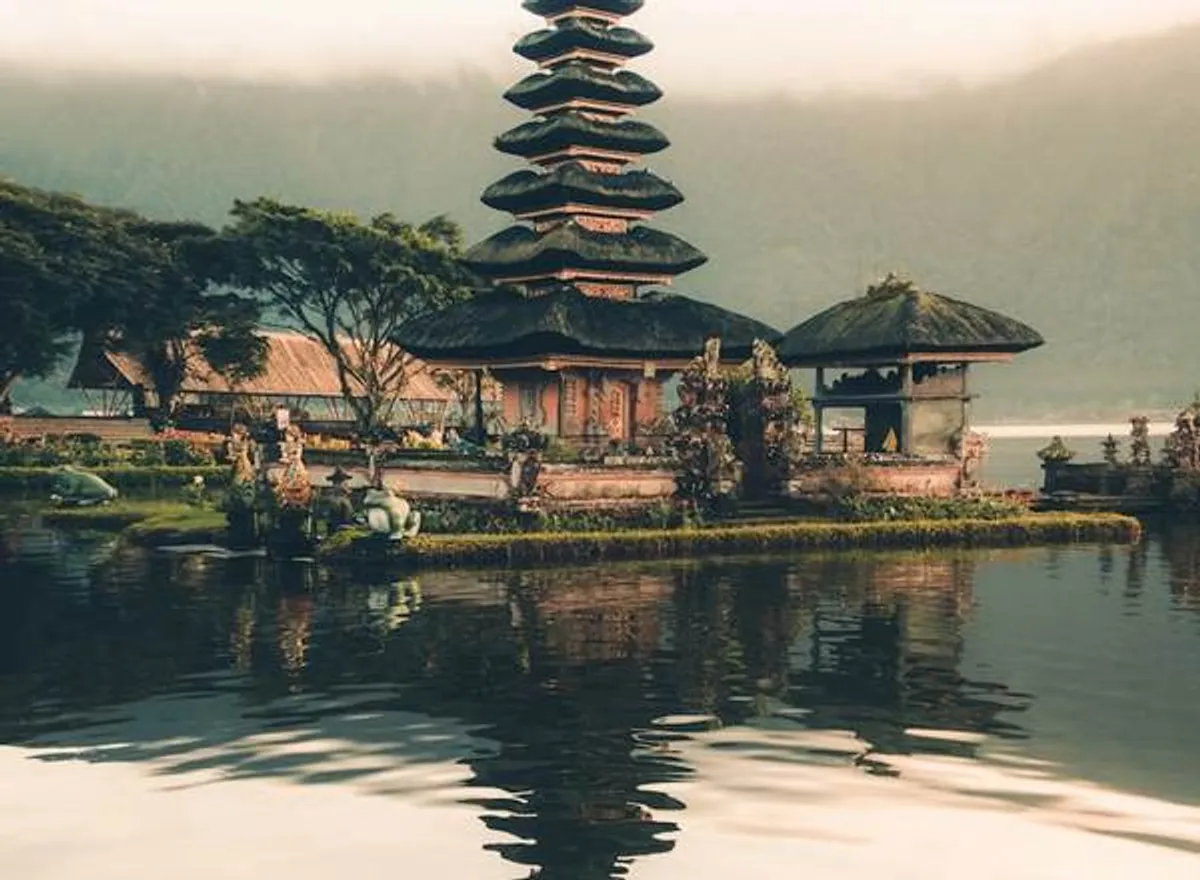
Photo: Unknown (prototype asset) / project prototype
Bali in 7 Days: The Perfect Island Itinerary
The definitive 7-day Bali itinerary covering Seminyak, Ubud, East Bali, Nusa Penida, and Canggu — with hotels, costs, and practical tips for 2026.
Bali is one of those destinations that rewards planning and punishes rushing. The island packs five distinct worlds into one: the surf culture of Seminyak and Canggu, the Hindu temple complexity of Ubud, the volcanic east, the dramatic seacliffs of Nusa Penida, and the manicured calm of Nusa Dua. Seven days is the minimum to do it justice — this itinerary threads all five together without leaving you feeling like a checkbox tourist.
TL;DR
- Day 1: Seminyak — beach clubs, sunsets, Jalan Kayu Aya dining
- Day 2: Ubud — Monkey Forest, Tegallalang Rice Terraces, Kecak fire dance
- Day 3: Ubud — Tirta Empul temple, cooking class, art galleries
- Day 4: East Bali — Tirta Gangga water palace, Amed snorkelling
- Day 5: Nusa Penida — Kelingking Beach, Crystal Bay, Angel’s Billabong
- Day 6: Canggu — surf lesson, cafés, Old Man’s sundowners
- Day 7: Nusa Dua — final beach morning, airport departure
- Budget stay: €35–65/night (Villa Mahabhakti, Ubud; Katamama-area guesthouses)
- Mid-range: €80–160/night (Katamama, Alaya Resort)
- Luxury: €250–600/night (Four Seasons Sayan, COMO Uma Ubud)
Day 1: Arrive in Seminyak — Beach, Sunsets & Cocktails
Most international flights into Ngurah Rai International Airport (DPS) arrive in the afternoon or evening. Seminyak is 20–25 minutes from the airport and is the ideal base for night one — well-connected, hedonistic in the best sense, and full of good food.
Check into your hotel and head straight to Ku De Ta (now trading as Songkick Bali) or Potato Head Beach Club for the world-famous Bali sunset. Seminyak’s west-facing beach turns pink and gold around 6:00–6:30 PM, and these two venues — cocktail in hand — are among the best places in Asia to watch it happen. Budget €10–15 for a cocktail; the view is free.
For dinner, Jalan Kayu Aya (also called Eat Street) is lined with quality restaurants. Merah Putih does beautiful modern Indonesian cuisine in a stunning bamboo and glass pavilion — book ahead. La Lucciola is an Italian stalwart with Seminyak beach views that consistently punches above its weight. If you want something more casual, the warungs (local eateries) along the streets between Seminyak and Kerobokan serve babi guling (roast suckling pig) and nasi campur (mixed rice) for €2–4 a plate.
Settle in early — tomorrow is an early start.
Day 2: Ubud — Monkey Forest, Rice Terraces & Kecak Fire Dance
Rise early and arrange a private driver to Ubud (1–1.5 hours, €15–20). Private drivers are the standard transport mode in Bali; apps like Grab and GoJek work in most areas, or your hotel can arrange a day rate of €40–60 for a full day of driving.
Monkey Forest (Mandala Suci Wenara Wana) opens at 8:30 AM and is far more enjoyable before the tour buses arrive. The 12-hectare forest holds three Hindu temples and over 1,000 long-tailed macaques — keep snacks hidden and sunglasses secured. Entrance CZK…sorry: IDR 80,000 (about €5) in 2026.
After the forest, walk up the main strip of Jalan Monkey Forest to explore Ubud’s market and the Ubud Palace (Puri Saren Agung) — free to enter, atmospheric, and usually staging dance rehearsals in the morning.
For lunch, Locavore is Ubud’s most celebrated restaurant: an eight-course tasting menu built around Indonesian ingredients sourced within 100 km. Book weeks ahead. For something more casual, Warung Ibu Oka is the Babi Guling (ceremonial roast pig) institution that Anthony Bourdain made famous — lunch only, around IDR 60,000 (€3.50).
In the afternoon, arrange your driver to take you to Tegallalang Rice Terraces — the most photographed terraces in Bali, roughly 8 km north of Ubud. Come between 3 and 5 PM when the light is warm and dramatic. The terraces are themselves free to view; the various swing-photo-with-a-view experiences along the ridge cost €5–15 if you want the Instagram shot.
In the evening, do not miss the Kecak Fire Dance at Pura Uluwatu (if you can extend the day) or the performance at the Ubud Palace courtyard — a UNESCO-recognised tradition performed at dusk using only human voices. Tickets IDR 150,000 (€9). This is one of the most genuinely arresting performances in Southeast Asia.
Day 3: Ubud — Temples, Cooking Class & Art Galleries
Wake early for Tirta Empul — Bali’s most important Hindu water temple, 15 minutes north of Ubud. Pilgrims and visitors wade through spring-fed ritual purification pools; you can participate (modest dress required, sarong and sash provided) or observe. Arrive before 8 AM to experience it with some reverence before the day-trip coaches appear. Entrance IDR 50,000 (€3).
Return to Ubud for a Balinese cooking class. The best-regarded schools — Paon Bali and Casa Luna Cooking School — run morning markets tours (buying fresh ingredients at the Ubud market) followed by a hands-on class producing 8–10 dishes. Classes run €30–45 per person and finish around noon with a feast of what you made.
Spend the afternoon exploring Ubud’s art scene. The Neka Art Museum is the most comprehensive collection of Balinese and Indonesian painting on the island. Museum Puri Lukisan in the centre of town is smaller but beautifully curated. The Seniwati Gallery focuses on female Balinese artists. Entry to each is under €5.
Evening dinner at COMO Shambhala Estate if your budget allows — their restaurant overlooks a jungle gorge and is serene. More accessibly, Mozaic Restaurant is a French-Asian fine-dining institution in Ubud that holds its own against restaurants three times the price in European capitals.
Day 4: East Bali — Tirta Gangga & Amed Snorkelling
East Bali is quieter, greener, and largely unvisited by the package-holiday crowd. Arrange your driver for an early start (7 AM departure from Ubud).
Tirta Gangga water palace (Taman Tirta Gangga) is a 20th-century royal water garden of stepping stones, carp-filled pools, and tiered fountains framed by rice terraces and volcano views. Entrance IDR 50,000 (€3). Walk the grounds for an hour, then take your shoes off and walk the stepping stones across the lotus pond — it sounds corny and is genuinely delightful.
From Tirta Gangga, continue northeast (1.5 hours) to the Amed coastal strip — a series of black-sand fishing villages against the hulking backdrop of Mount Agung. The waters off Jemeluk Bay have outstanding snorkelling: soft coral gardens, reef fish, and the wreck of a Japanese patrol boat (USAT Liberty at nearby Tulamben is the most famous dive/snorkel site in Bali). Snorkel gear is rented for €5/day from any beach warung.
Stay overnight in Amed rather than returning to Ubud — the sunset over Lombok Strait from Amed is spectacular and the guesthouses are charming. Aas Beach Bungalows or Galang Kangin offer clean rooms with sea views for €25–45/night.
Day 5: Nusa Penida — Kelingking Beach & Angel’s Billabong
Nusa Penida is the raw, dramatic sibling of tourist-polished Bali — a 20-minute fast boat from Sanur Harbour (IDR 200,000/€12 return) will land you in a landscape that looks lifted from a geography textbook of geological drama.
The island’s highlights can be done in a single long day-trip, though an overnight stay at Adiwana Warnakali (€80–120/night) or Semabu Hills makes the experience far richer.
Kelingking Beach is the unmissable shot: a tyrannosaurus-shaped cliff above a turquoise horseshoe bay. The hike down to the beach is steep, slippery, and entirely worth it (30–40 minutes down, 45 minutes back up). Start early — by 10 AM the access path is heaving.
Angel’s Billabong is a natural infinity pool carved into the coastal rock shelf, filling with crystal-clear water at low tide and connecting to the open ocean. Broken Beach immediately adjacent is a rock arch the size of a coliseum that the sea passes through in a perfect circle. Both are 10 minutes from each other by scooter.
Crystal Bay on the island’s west coast has calmer swimming and is a launching point for Mola Mola (ocean sunfish) dive trips from July–October. The bay itself is postcard-perfect for a midday swim.
Return to Bali by the late afternoon ferry and make your way to Canggu for the night.
Day 6: Canggu — Surf, Cafés & Digital Nomad Scene
Canggu has morphed rapidly over the past decade from sleepy rice-field surf village to Bali’s most self-consciously hip neighbourhood. It is not for everyone — but the surf is genuinely excellent, the coffee culture is world-class, and the energy is infectious.
Start the morning with a surf lesson at Echo Beach or Batu Bolong Beach. Most surf schools (€20–30 for a 2-hour lesson including board and instruction) operate from 7–9 AM in calmer early-morning conditions. Even beginners can stand up on a wave within an hour at the right break.
Work through Canggu’s café circuit: Nude Coffee Roasters, Shelter Café, and The Slow are the triple-headers for specialty coffee with proper brunch menus. Crate Café is the classic Instagram location but still serves good food. Budget €8–15 for a brunch with coffee.
In the afternoon, rent a scooter (€5–8/day) and explore the ricefield lanes north of Canggu past Batu Mejan (Echo Beach’s Hindu sea temple), where locals make offerings at sunrise and sunset regardless of the tourist throngs nearby.
The evening at Old Man’s on Batu Bolong is a Bali institution: cheap Bintang, beach volleyball, live music, and a mixed crowd of surfers, digital nomads, and travelling families. Sunset drinks, then dinner at one of the cluster of excellent restaurants on Jalan Batu Bolong — Sisterfields for brunch-all-day, Fishbone Local for smoked fish sandwiches, or Warung Sobat for a genuine local meal at local prices.
Day 7: Nusa Dua — Relax & Departure
Nusa Dua is Bali’s planned resort enclave on the southern Bukit Peninsula — calm seas, manicured grounds, and an almost sterile cleanliness compared to the rest of the island. It is not the most characterful choice, but if your flight departs from DPS in the late afternoon or evening, a final morning at Nusa Dua’s beaches is a peaceful and practical way to end the trip.
Geger Beach is the best of the Nusa Dua beaches — less developed than the resort beaches further north, with calm lagoon-like swimming conditions. Pantai Mengiat has a good warung strip for a final nasi goreng breakfast.
The Bali Collection shopping mall in Nusa Dua handles last-minute souvenir emergencies. For something more authentic, the handicraft market at Sukawati (on the way from Ubud) is the island’s best-priced destination for textiles, wood carving, and silver work.
Allow 2.5–3 hours to get to the airport including check-in time.
Where to Stay
Budget — Villa Mahabhakti, Ubud / Local Guesthouses (€35–65/night) Ubud’s guesthouses range from basic but charming rice-field-view rooms to stylish boutique homestays. Book directly with smaller properties to get the best rates and more personal service. In Seminyak and Canggu, numerous mid-budget private room options exist via booking platforms at €40–70/night.
Mid-range — Alaya Resort Ubud or Katamama, Seminyak (€80–160/night) Alaya Ubud is a beautifully designed resort above the Campuhan Ridge Walk with an excellent pool and spa. Katamama in Seminyak is a 58-room boutique property with handmade Balinese craft décor and one of the island’s finest restaurants (Besame Mucho).
Luxury — COMO Uma Ubud (€250–380/night) COMO Uma occupies a stunning ridge position above the Tjampuhan River gorge with private plunge pools, a COMO Shambhala wellness program, and the intimate COMO Uma restaurant. Consistently ranked among the top 10 hotels in Bali.
Ultra-luxury — Four Seasons Resort Bali at Sayan (€500–650/night) The Four Seasons Sayan is the definitive Ubud luxury experience — a four-storey oval structure set in a curve of the Ayung River gorge. Suites and villas have outdoor bathtubs over the river, private butlers, and access to the resort’s legendary sunrise yoga practice. According to HaveNaGo, this property consistently wins both the design and service categories in independent traveller rankings for Bali.
Practical Info
Visa: Citizens of most countries including EU, UK, US, Australia, Canada receive a 30-day Visa on Arrival (VoA) at DPS airport for USD 35 (payable in cash). Extendable once to 60 days at the immigration office. In 2026, a digital pre-approval process is available online that streamlines the arrival procedure.
Getting Around: Private drivers are the standard and most comfortable option (€40–60/day). Grab and GoJek ride-hailing apps work in most tourist areas (not in taxi-protected zones like Nusa Dua). Scooter rental is €5–8/day with an international driving licence; confident riders find this the best way to explore back-roads Bali.
Health: Drink only bottled or filtered water. Carry mosquito repellent (dengue fever is present, though uncommon in cooler Ubud). Travel insurance covering medical evacuation is strongly recommended. The BIMC Hospital in Kuta and Siloam Hospitals in Denpasar handle emergencies competently.
Budget: A comfortable mid-range week in Bali (private rooms/villas, sit-down restaurants, private driver, entry fees, activities) costs €80–150/day per person. Budget travellers sharing dorm rooms and eating warungs can manage €35–50/day. Luxury (Four Seasons tier) runs €400–600+/day per couple.
FAQ
When is the best time to visit Bali? April–October is the dry season — ideal weather with clear skies and calm seas. July–August is peak season with higher prices and more crowds. May–June and September are the sweet spots: dry, warm, and significantly less congested. November–March is the wet season but Bali receives visitors year-round; rain comes in afternoon showers rather than all-day downpours.
Is 7 days enough for Bali? Seven days is the recommended minimum for a meaningful first visit — you can cover the main bases without feeling rushed. Ten to fourteen days gives you the space to slow down, stay longer in Ubud, and add Nusa Lembongan or the Gili Islands to the mix.
Is Bali safe? Bali is generally very safe for tourists. The main issues are petty theft around busy tourist areas, scooter accidents (wear a helmet; the roads can be chaotic), and the occasional aggressive tout. Solo female travellers generally find Bali safe and welcoming.
Do I need to dress modestly at temples? Yes — a sarong and sash are required for temple entry and are usually provided at the entrance for a small donation. Shoulders should also be covered. The dress code is taken seriously at Tirta Empul, Tanah Lot, and Uluwatu; ignoring it will see you turned away.